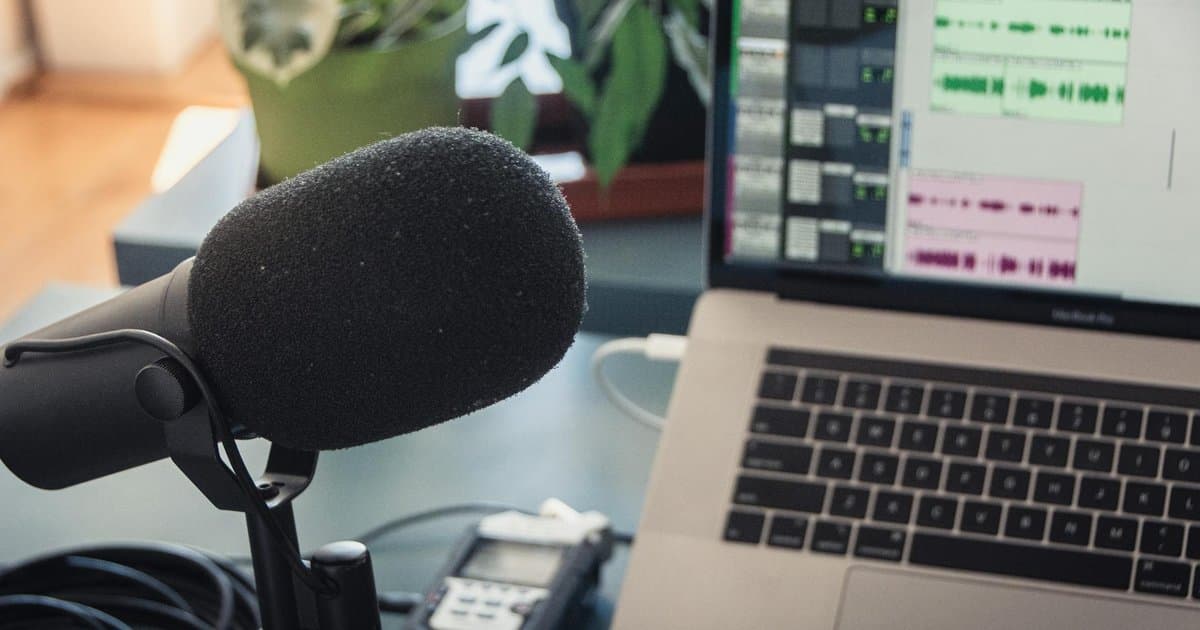
People starting a podcast almost always ask the same first question, which is what microphone they should buy. They read reviews, compare brands, and lose hours deciding between one model and another that costs three times as much. The belief underneath all of it is simple, that a better microphone produces better sound. That belief is mostly wrong, and it sends new creators down an expensive path that never fixes their real problem. The truth is that the room you record in shapes your audio far more than the device you talk into. A cheap microphone in a quiet, soft space will beat an expensive one in a bare, echoey room almost every single time.
Sound does not travel in a straight line from your mouth to the microphone and stop there. It spreads out, hits your walls, your ceiling, your desk, and your windows, then bounces back into the microphone a fraction of a second later. Those reflections stack on top of your original voice and create the hollow, distant quality that makes home recordings sound cheap. Hard, flat surfaces are the worst offenders because they reflect almost all of the sound that reaches them. A large empty room with tile or wood floors can ruin even professional gear. The microphone cannot tell the difference between your voice and its echo, so it captures both and hands you a muddy result.
The fix is softer than most people expect and far cheaper than a new microphone. Soft materials absorb sound instead of bouncing it back, so the goal is to surround your recording spot with things that soak up reflections. A closet packed with hanging clothes is one of the best vocal booths you can find, because fabric absorbs sound coming from every direction. Moving blankets on stands, a thick rug on the floor, a couch, heavy curtains, and full bookshelves all help break up the reflections that wreck your audio. You do not need to cover every wall, and you do not need the expensive foam panels marketed for studios. You only need enough soft surface near you to stop the worst of the echo before it ever reaches the microphone.
Once the room cooperates, a handful of simple habits matter more than any gear upgrade you could buy. Get close to the microphone, because the nearer your mouth sits to it, the more of your direct voice it captures compared to the room. Keep the input level lower so the microphone is not straining to grab faint sound from across the space. Record at a steady distance and angle so your volume does not swing around between sentences. Turn off fans, air conditioning, and anything humming in the background, since that low drone is almost impossible to remove cleanly later. None of these steps cost a dollar, and together they do more for your sound than doubling your hardware budget ever could.
There is still a place for good equipment, and a quality microphone does help once the basics are handled. The mistake is buying the gear first and treating the room as an afterthought, when the smart order is exactly the reverse. Spend a little time learning how your space actually sounds by recording a short test and listening back on headphones. If you hear echo or a hollow ring, add soft material and record again until the sound tightens up and feels close. A listener will forgive a modest microphone, but they will click away from audio that sounds like it was taped in an empty hallway. The voices you admire are not winning because of a secret piece of gear, they are winning because they fixed the room first and let everything else fall into place.