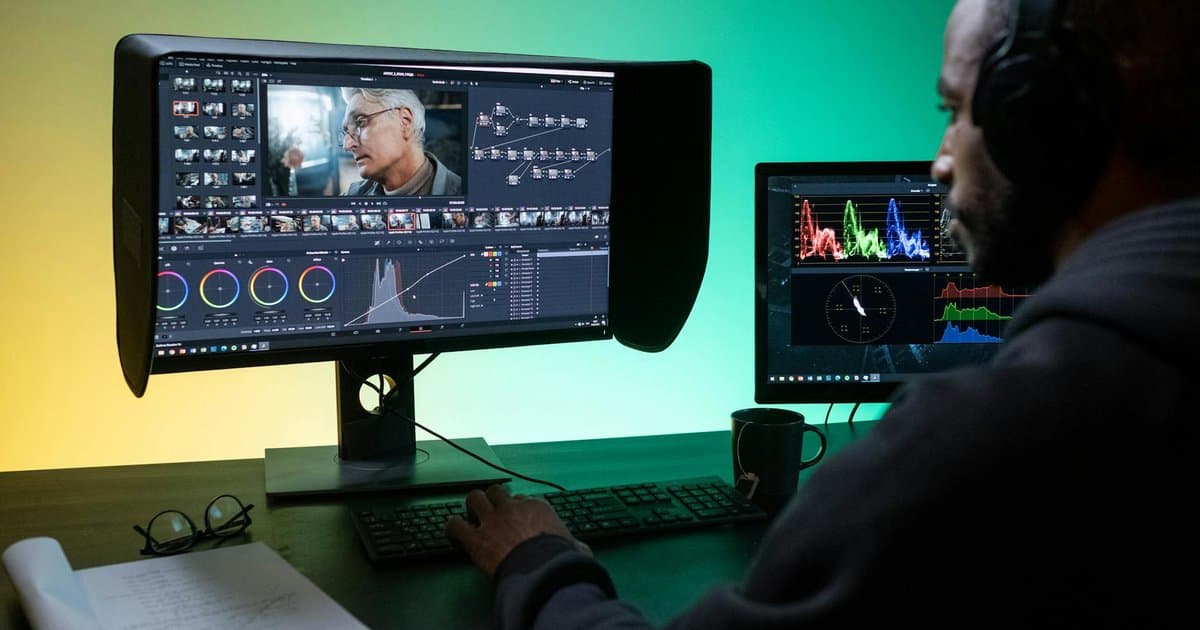
Anyone who hires a video team for the first time tends to be surprised by the same thing. The shoot is the short part. You spend a morning capturing footage, everyone goes home, and then you wait, sometimes for a week or more, for the finished cut. Clients often assume the camera work is where the time goes, when in reality the filming is the tip of the iceberg and the edit is everything underneath the water. A three-hour shoot can easily turn into three days at the computer. Once you understand the five things happening in that gap, the timeline stops feeling mysterious and starts making sense.
The first reason is the sheer volume of raw material. A single shoot can generate hours of footage from multiple cameras, plus separate audio tracks, b-roll, and backup takes of everything. Before any creative work begins, an editor has to import all of it, back it up in more than one place, and organize it so nothing gets lost. Then comes the unglamorous job of watching everything and logging the usable moments, because you cannot cut a story you have not actually seen. On a multi-camera job, the editor also has to sync every angle to the audio so the cuts line up to the frame. None of this shows up in the final video, but skipping it guarantees a slower, messier edit later.
The second reason is that the story gets built in the edit, not on set. Filming captures the ingredients, but the actual narrative, the order, the pacing, the moments that land, all of that is assembled afterward. An editor tries one structure, watches it back, realizes the opening drags, and rebuilds it. They cut a section, decide it was better before, and bring it back. Good editing is mostly rewriting, and rewriting takes passes, not a single straight run. The version that feels effortless to watch usually went through five rough cuts that nobody outside the room will ever see.
The third reason is the technical cleanup that turns raw footage into something that looks professional. Color correction alone can take hours, because every shot has to be balanced so the whole piece feels consistent instead of jumping between warm and cool. Audio gets the same treatment, with background noise removed, levels evened out, and music mixed so the voices stay clear. Graphics, titles, captions, and lower-thirds all have to be designed, animated, and checked for typos. Each of these is a separate craft, and each one quietly adds time. Viewers only notice this work when it is missing, which is exactly why editors cannot skip it.
The fourth reason is rendering and revisions, the part clients rarely picture. Every time an editor wants to watch the full piece at quality, the computer has to render it, and on a long or complex project that can take a chunk of the day on its own. Then the draft goes to the client, who sends notes, and the editor goes back in to make changes, which means more editing and another render. Two or three revision rounds are normal, and each round resets part of the clock. A small note like make it thirty seconds shorter can mean rebuilding the pacing of the entire piece. The math adds up faster than anyone expects.
The fifth reason is the standard the work is held to, which keeps quietly rising. Audiences now watch content made by huge teams with massive budgets, and they judge a small business video by that same eye whether they mean to or not. That pressure pushes editors to sweat details that used to be optional, like smooth transitions, clean sound, and sharp captions for people watching with the volume off. Meeting that bar takes time, and cutting corners to save time tends to show. So when a finished video looks simple and clean, that simplicity is usually the product of days of invisible labor. The shoot was the easy part. The edit is where the work actually lives, and now you know exactly where all those hours go.