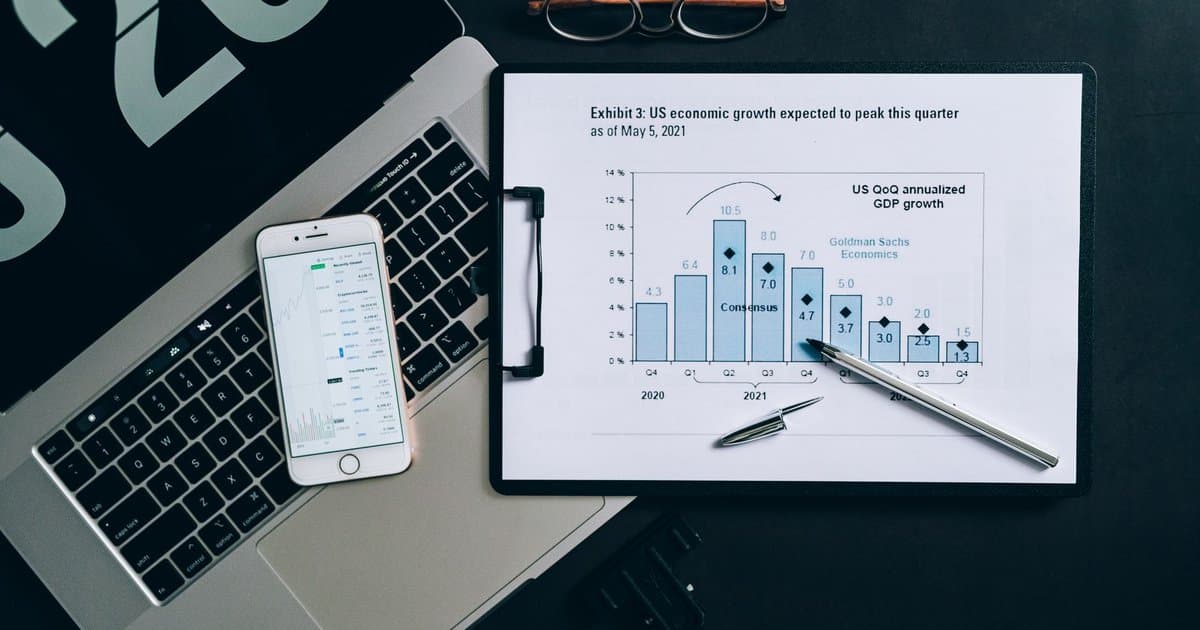
You hear it in every economic headline. The economy grew at some percent last quarter. Growth beat expectations, or it missed them by a hair. The number behind all of that talk is called gross domestic product, or GDP, and it drives how we decide whether the country is doing well. But almost no one stops to ask what that single figure actually measures. Once you see what is inside it, and what gets left out, the headlines start to read very differently. GDP is powerful, and it is also far narrower than it sounds.
Start with the basic definition. GDP is the total dollar value of all the goods and services a country produces in a set period, usually a quarter or a year. Every car built, haircut given, meal served, and app sold gets counted and added into the pile. When that total rises after adjusting for inflation, we say the economy grew. When it falls for long enough, people start reaching for the word recession. At its heart, GDP is a giant running tally of economic activity, nothing more and nothing less. It is a snapshot of how much a country made and sold.
There is a good reason it became the headline number. GDP gives you one clean figure to compare a country against itself over time, and against other countries too. It moves in step with jobs, incomes, and spending often enough to be a genuinely useful signal. When GDP is climbing, businesses tend to hire and wages tend to rise with it. When it stalls out, layoffs usually are not far behind. As a quick read on the overall size and direction of an economy, nothing has really replaced it yet. Central banks and governments still steer major decisions by it. For all its flaws, it remains the common yardstick.
Here is where the picture gets incomplete. GDP only counts activity that carries a price tag, which means enormous amounts of real work simply never register. A parent raising their own children full time adds nothing to GDP. Neither does someone caring for an aging relative, cooking every meal at home, or volunteering all weekend long. The moment you pay a stranger to do those exact same jobs, they suddenly count. The work itself did not change one bit. Only whether money changed hands did. A whole economy of care runs silently outside the official count.
GDP also says nothing at all about who actually gets the money. A country can post strong growth while most of the gains flow to a small slice at the very top. The average can rise even as the typical family feels no better off than before. GDP reports the size of the whole pie, not how thinly or thickly it gets sliced. That is why a booming headline number can sit right next to real financial strain for millions of people. The single figure hides the entire spread underneath it. Growth and hardship can share the very same year without any contradiction.
There is a stranger quirk worth knowing. GDP counts spending, and it does not judge whether that spending came from something good or something bad. Rebuilding after a disaster adds to GDP. So do traffic jams that burn extra fuel, and the costs of treating an illness that could have been prevented. A wildfire followed by a construction boom can look like healthy growth on paper. The number rises whenever money moves, even when the thing that prompted all that spending was a genuine loss. Activity and progress are not always the same thing.
GDP misses the things that never show up as a transaction at all. Clean air, free time, safety, and good health do not appear anywhere in it. A country can grow its GDP while quietly draining the very resources it depends on, and the number will not so much as blink. Nor does it capture whether people feel secure or satisfied with their lives day to day. Economists have long pointed out that the measure was never designed to track well-being. It tracks output, and output alone. A richer country by this one measure is not always a better-off one.
None of this makes GDP useless, and that is the important part. It remains one of the best quick gauges of economic activity that we have, and ignoring it would leave you blind to real trends. The point is just to hold it in the right hand. When a headline says the economy grew, ask who felt it, what got counted, and what got quietly missed. A rising number can mean genuine progress, or it can hide as much as it reveals. Read it as one chapter of the story, not the whole book.