When the news says the Federal Reserve raised or cut interest rates, most people picture their mortgage or credit card changing that same afternoon. The reality is more layered than that. The Fed does not reach into your loan documents and rewrite the numbers. It controls one specific rate, and everything else moves in response, some parts quickly and some parts barely at all. Understanding which rate the Fed actually sets clears up a lot of confusion. It also helps you plan instead of waiting for a change that may never reach your loan. The chain from the Fed to your wallet has several links, and each one behaves differently.
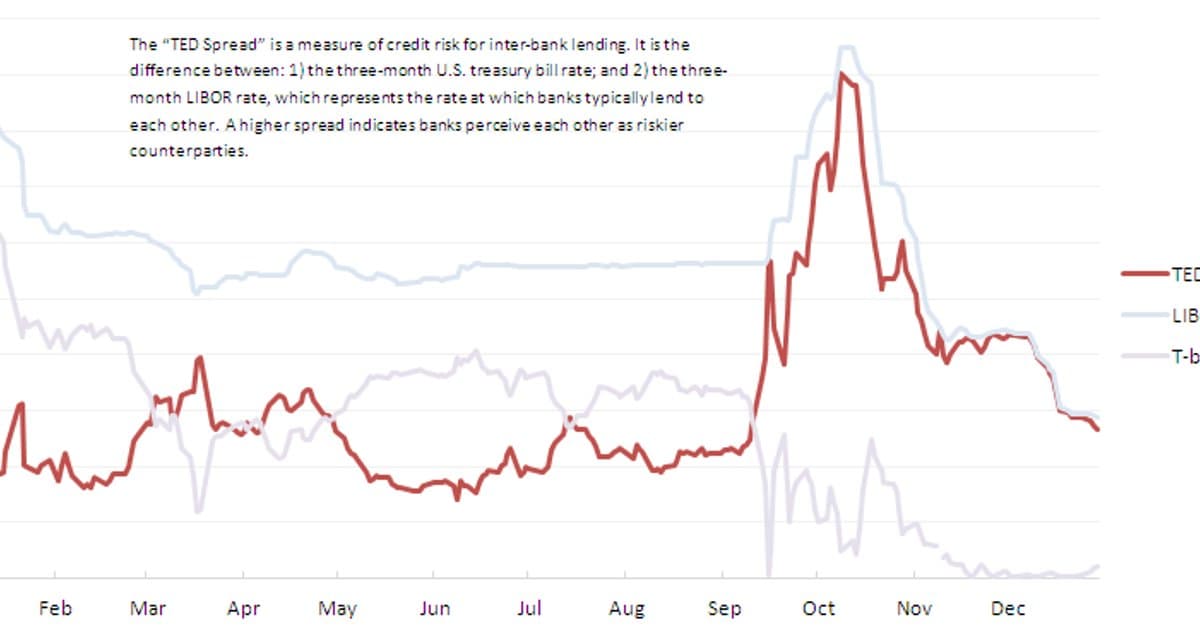
The rate the Fed targets is called the federal funds rate. It is the interest banks charge each other to borrow money overnight, usually to meet reserve rules set by regulators. Banks constantly lend and borrow among themselves to balance their books at the end of each day. The Fed sets a target range for that overnight rate, not a single fixed number carved in stone. It steers the rate toward that range using its own tools rather than issuing an order. So the headline figure you hear is a goal the Fed guides the banking system toward, not a price it forces on any household directly.
To move that overnight rate, the Fed uses a few mechanisms. It buys and sells government bonds to add or drain money from the banking system. It also pays banks interest on the reserves they park at the Fed, which sets a floor under how low the overnight rate will drift. When the Fed wants rates higher, it makes holding reserves more attractive and tightens the supply of cash. When it wants rates lower, it does the reverse. These are nudges applied to the whole system, and the effects spread outward from there rather than landing on one borrower at a time.
The first clear link to everyday borrowing is the prime rate. That is the rate banks charge their most reliable customers, and it has sat about three percentage points above the federal funds target for decades. Prime moves almost in lockstep with the Fed, often within a day of a decision. Credit cards, home equity lines of credit, and many small business loans are tied directly to prime. So when the Fed moves, those rates follow fast, which is why credit card costs can climb within a statement cycle. This is the part of the chain where a Fed decision reaches people quickly and plainly.
Here is the part that surprises many homeowners. The thirty year fixed mortgage does not track the federal funds rate closely at all. It follows the ten year Treasury yield and the market for mortgage bonds, which reflect what investors expect for inflation and growth over many years. Those long term expectations can move in a different direction than the Fed's short term rate. The Fed can cut its rate while mortgage rates rise, if bond investors grow worried about future inflation. That is why a rate cut in the news does not guarantee a cheaper home loan next week. Long money and short money answer to different crowds.
Savings work on their own timeline too. The interest on savings accounts and certificates of deposit loosely follows the Fed, but banks tend to move slowly, especially when rates are rising. They are quick to raise what they charge borrowers and slower to raise what they pay savers. Online banks often move faster than large national ones because they compete harder for deposits. So a Fed increase can show up on your credit card long before it shows up on your savings statement. The direction is the same across the board, but the speed depends heavily on which product you are holding.
Knowing this changes how you act on the news. If you carry a balance on a variable rate card, a Fed increase is a real and fast reason to pay it down. If you are waiting to refinance a mortgage, watch the ten year Treasury and mortgage bond market, not just the Fed's next meeting. Do not assume a rate cut will drop your home loan quote, and do not assume your savings rate will jump the moment policy shifts. The Fed sets the tempo for the whole system, but each rate dances to it at its own pace. Following the right link is what turns a headline into a decision.