The number on the cuff at your annual checkup carries a lot of weight. It can land you a prescription, a diagnosis, or a clean bill of health. The problem is that a single reading taken in a busy office is one of the least reliable ways to know your real blood pressure. Your pressure shifts minute to minute based on stress, caffeine, a full bladder, talking, and even the short walk from the waiting room. Plenty of people run higher in a clinic than they ever do at home, a pattern common enough that it has its own name. Most doctors know this, but appointments move fast, and the number on the chart is the number that gets acted on.
That clinic-only spike is called white coat hypertension, and it is not rare. Research puts it at roughly one in five people who show elevated readings in a medical setting. The opposite also happens. Some people read normal at the office but run high the rest of the day, a quieter problem known as masked hypertension that can go undetected for years. Both patterns matter because treatment decisions get made on that one office number. If your real average is lower than the clinic suggests, you may end up treated for a problem you do not have. If it is higher, you may walk out thinking you are fine while your heart stays under steady strain.
This is why home monitoring has become the standard that careful clinicians actually trust. A validated upper-arm cuff, used correctly across a week, gives a far better picture than two rushed readings a year. The technique is simple, but most people get it wrong without knowing. Sit with your back supported and your feet flat on the floor, arm resting at heart level on a table. Do not talk, scroll, or cross your legs while the cuff inflates. Wait five quiet minutes before the first reading, then take two readings a minute apart, once in the morning and once in the evening, for seven days.
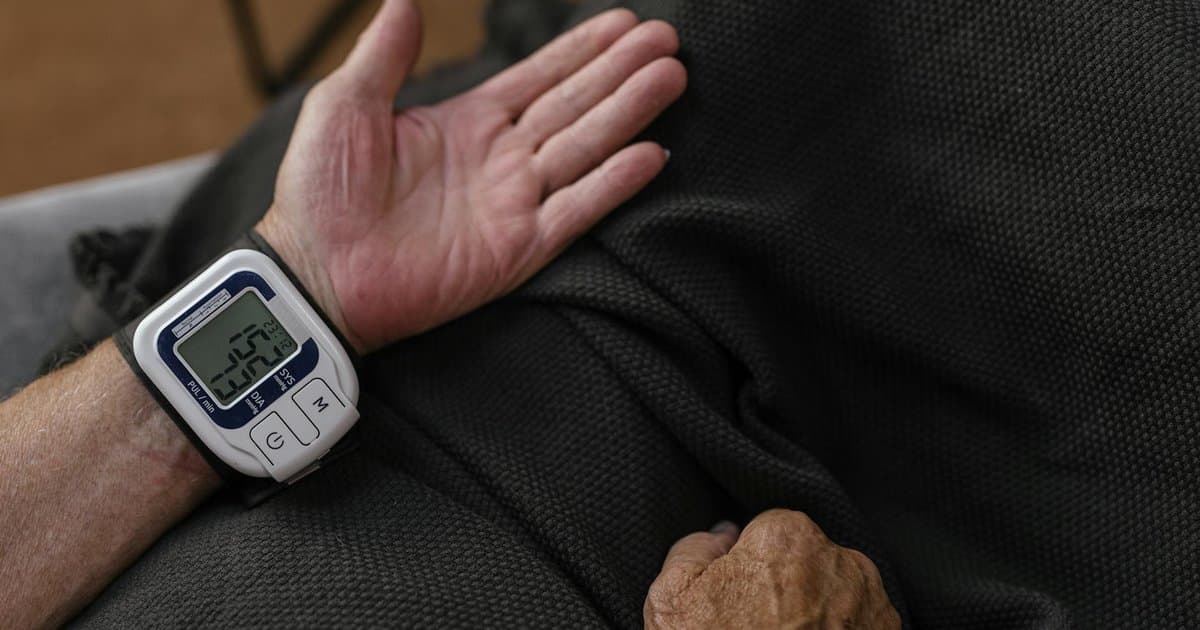
A handful of small details change the result more than people expect. Coffee, exercise, and nicotine can each push your number up for thirty minutes or more, so measure before any of them. A full bladder alone can add several points to the reading. The cuff has to sit on bare skin, not over a sleeve, and it has to fit your arm properly. A cuff that is too small reads artificially high, which quietly mislabels a lot of larger adults as hypertensive. Wrist monitors are convenient but less accurate, so an upper-arm model is the safer choice when you plan to act on the data.
Once you have a full week of readings, throw out the first day and average the rest. That average is the number worth bringing to your doctor, not the worst single spike you caught. General guidance treats a home average at or above 130 over 80 as the line where lifestyle changes and sometimes medication enter the conversation. One high reading after a stressful morning is not a diagnosis, and it is not worth panic. A consistent pattern across many days is the real signal. Pressure is supposed to rise and fall through the day, and chasing a flawless number on every check only adds the kind of stress that drives it up.
None of this replaces your physician, and anyone with very high readings, chest symptoms, or an existing diagnosis should be working closely with one. The point is that you can walk into that appointment with real data instead of a snapshot taken during a bad ten minutes. High blood pressure earns its reputation as a silent risk because it rarely feels like anything until it has already done damage to vessels, kidneys, and the heart itself. The most useful tool for catching it early sits on a drugstore shelf for less than the cost of a few copays. Learning to use it well is the part almost no one slows down to teach you, and it can change what your doctor decides to do next.