In a hot market, buyers get desperate, and one of the first things they offer to give up is the home inspection. The logic feels reasonable in the moment. Waiving the inspection makes your offer cleaner and faster, and when several people are fighting over the same house, a seller leans toward the buyer who promises the fewest hurdles. So you skip it, you win the house, and you feel like a winner for about a month. Then the basement floods after the first heavy rain, or the furnace dies in the first cold snap, and you learn what that waived inspection was really protecting you from.
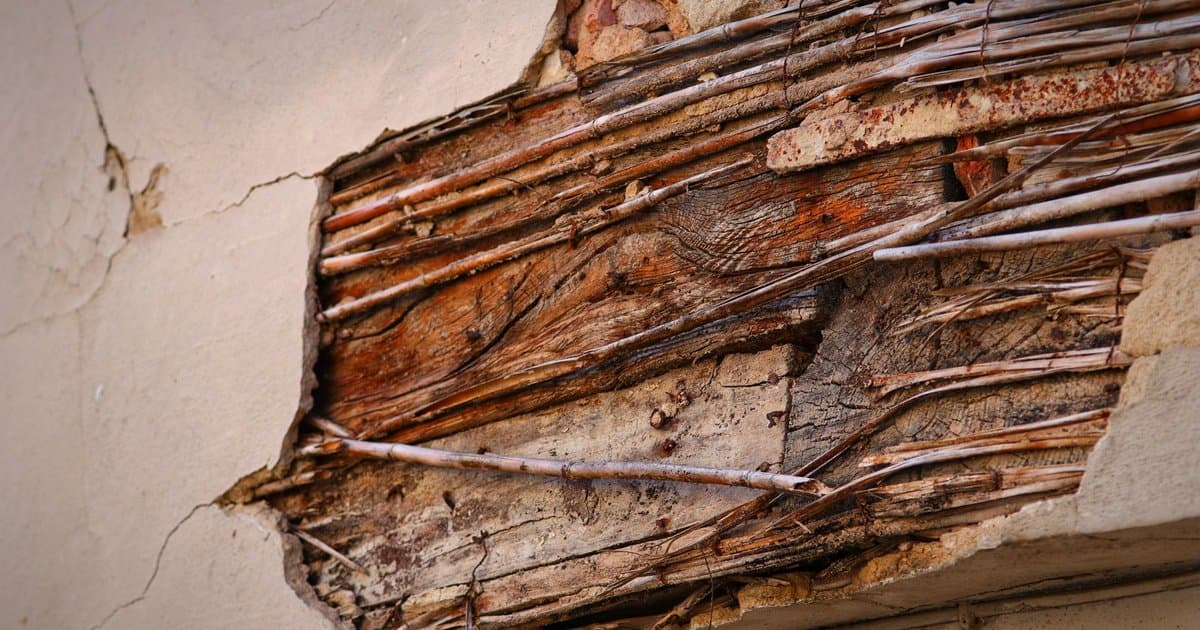
An inspection is the one chance you get to see what you are actually buying before the money changes hands and the problems become yours. A good inspector spends two or three hours crawling through the parts of the house you will never look at, the attic, the crawlspace, the electrical panel, the roof, the foundation. They are looking for the expensive problems, the ones that do not show up in a quick walkthrough with a real estate agent. A fresh coat of paint can hide water damage. A staged living room can sit on top of a cracked slab. The seller is not always hiding these things on purpose, but they have no reason to go looking for them, and you have every reason in the world.
The numbers are what make this a serious decision rather than a small convenience. A new roof can run fifteen to thirty thousand dollars. A failing foundation can cost more than that and threaten the whole structure. Replacing old electrical wiring, fixing a cracked heat exchanger, or dealing with hidden mold are not weekend projects, and they do not wait for your budget to be ready. When you waive the inspection, you are not just skipping a step. You are agreeing to absorb every one of these costs sight unseen, with no chance to negotiate the price down or walk away. That is the trade you are making, even if nobody says it out loud at the closing table.
There is a middle path that too few buyers use. You can keep the inspection but waive the right to renegotiate based on what it finds, which still gives the seller the fast clean offer they want while letting you see the truth before you are fully locked in. You can also do a pre-offer inspection, paying for an inspector to walk the home before you even write the offer, so you bid with your eyes open. In a competitive situation, an informational inspection like this protects you without making your offer weaker, because the seller sees no contingency attached. It costs a few hundred dollars. The problems it can catch cost a few hundred times that.
The buyers who get burned are usually the ones who let the emotion of the bidding war override the math. They fall in love with the house, they fear losing it, and they convince themselves that a place that looks this nice could not possibly have hidden problems. But the look of a home tells you almost nothing about its bones. The most charming house on the street can have a fifty year old sewer line about to collapse, and the plainest one can be solid everywhere it counts. An inspection is how you tell the difference, and giving it up to save a few days is one of the most expensive shortcuts a person can take in the largest purchase of their life.
It is worth remembering why this practice spread in the first place. When demand far outruns the number of homes for sale, sellers can pick from a stack of offers, and buyers start stripping protections away to stand out. Waiving the inspection became a signal of seriousness, a way to say you will not make trouble after the contract is signed. The problem is that the signal costs nothing to give and everything to honor, because the risk does not disappear when you waive the right to see it. You simply agree to find out the hard way, after the money is gone and the warranty is yours alone. A market that pressures buyers into blind purchases is a market that rewards patience, and the buyer who keeps their eyes open often comes out ahead of the one who won the war.
If you are buying in a market where waiving inspections has become the norm, talk to your agent about the informational inspection route before you write a single offer. Winning the house is only a victory if the house is worth what you paid. The point of the inspection was never to slow you down. It was to make sure the keys you are handed are not attached to a bill you never agreed to.