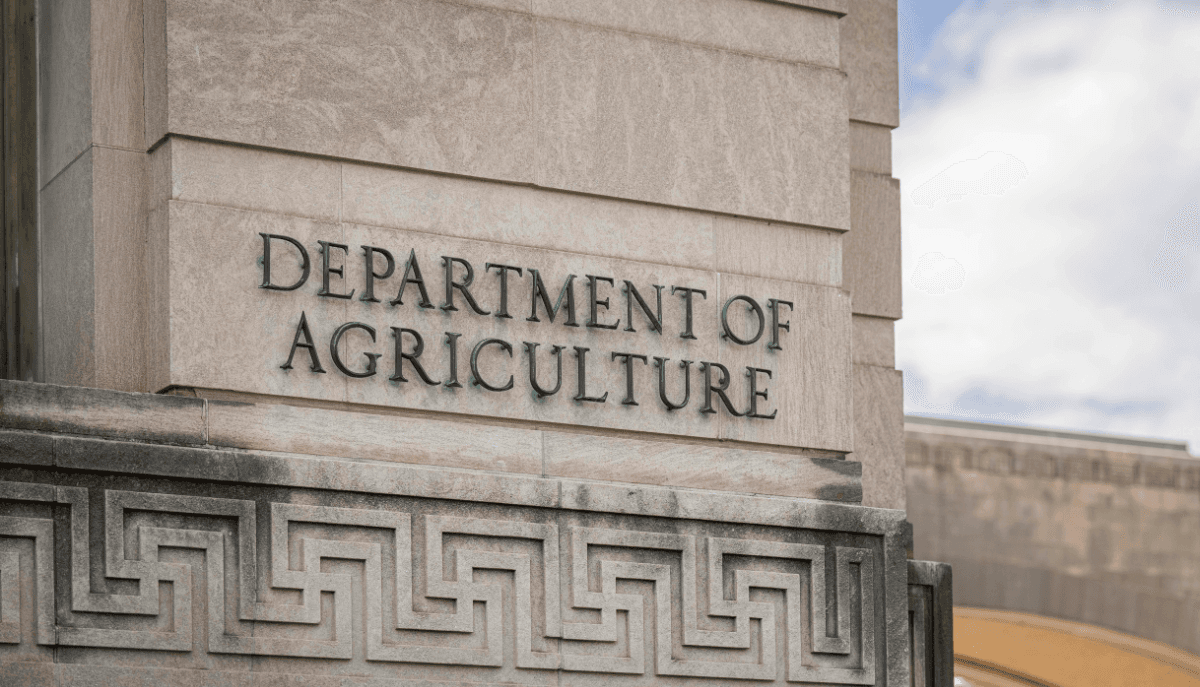
The U.S. Department of Agriculture published an interim final rule on May 1, 2026, narrowing the criteria under which states can grant categorical eligibility for the Supplemental Nutrition Assistance Program. The rule takes effect July 1, 2026, with a 60-day public comment period running concurrently. Tennessee is among the states most affected by the changes because the state has used broad-based categorical eligibility to streamline SNAP enrollment for households with incomes between 130 and 200 percent of the federal poverty line.
The Tennessee Department of Human Services issued a statement Saturday estimating that between 38,000 and 52,000 households currently enrolled in SNAP could lose eligibility or face benefit reductions under the new rule. The department serves approximately 720,000 Tennesseans through SNAP as of the March 2026 enrollment data. The affected population includes working families just above the strict federal poverty threshold who qualified through the categorical eligibility expansion implemented during the Obama administration and continued through subsequent administrations.
USDA Secretary Brooke Rollins, in remarks accompanying the rule, said the change "restores the original intent of the program to serve households at or below the federal poverty line and ensures program integrity." The rule narrows eligibility from 200 percent of the federal poverty line back to 130 percent, removes asset test waivers that 42 states currently use, and requires recertification for all current beneficiaries within 90 days of the effective date. The department estimates the rule will reduce SNAP enrollment nationally by 2.4 million individuals.
Tennessee Governor Bill Lee's office acknowledged the rule change in a Sunday statement but did not commit to specific state action. The governor's office said the Department of Human Services would "implement federal requirements as directed" and that the state had no current plans to backfill benefits using state funds. Tennessee's biennial budget for the 2026-2027 period does not include contingency funding for federal SNAP reductions.
The Catholic Charities of Tennessee food assistance network, which operates 14 food pantries and meal programs across the state, projected that demand at its Nashville locations would increase by 25 to 40 percent between July and September if the rule takes effect as written. Catholic Charities of Tennessee President Joe Powers said in a statement that the network had begun fundraising for additional food procurement and warehouse capacity. The Murfreesboro Road location currently serves 120 to 145 households per week and would absorb a substantial portion of any increased demand in southeast Davidson County.
Second Harvest Food Bank of Middle Tennessee, which supplies 460 partner agencies across 46 counties, issued a statement Sunday afternoon describing the rule as "a significant pressure point on Tennessee's food security infrastructure." The food bank distributed 32 million pounds of food in 2025 and has capacity for moderate volume increases but would face supply chain strain at projected demand levels. CEO Nancy Keil said the organization was coordinating with national Feeding America affiliates to model regional supply scenarios.
The Nashville-area population most affected by the rule includes single parents working full-time jobs at hourly wages between $13 and $18, immigrant households with eligible U.S. citizen children, and elderly residents on fixed incomes including Social Security supplemented by part-time work. The Greater Nashville Hispanic Chamber of Commerce estimated that 6,800 to 9,200 Hispanic and immigrant households in Davidson County could lose benefits, including approximately 3,400 households with at least one Haitian or Caribbean household member.
Members of Tennessee's congressional delegation issued varying responses. Representative Steve Cohen of Memphis criticized the rule as "punitive policy targeting working families who are already stretched thin," and pledged to introduce legislation requiring USDA to delay implementation pending impact studies. Senator Marsha Blackburn supported the rule in a statement citing program integrity. Senator Bill Hagerty did not issue a public statement as of Monday morning. Representative Andy Ogles supported the rule and called for additional work requirement expansions in future rulemaking.
The legal challenges began Sunday. The Center on Budget and Policy Priorities, the Food Research and Action Center, and the National Immigration Law Center jointly filed a notice of intent to challenge the rule in the U.S. District Court for the District of Columbia. The legal challenge will focus on Administrative Procedure Act compliance, specifically whether USDA followed required notice-and-comment procedures and whether the rule's economic impact analysis meets statutory standards.
The Tennessee Justice Center, which provides legal services to low-income families on benefits issues, opened a hotline Sunday at 877-608-1009 for households with questions about how the rule may affect their benefits. The organization expects call volume in the thousands during the implementation window. Executive Director Michele Johnson said in a Sunday statement that the organization was preparing materials in English, Spanish, Arabic, and Haitian Creole for the most affected immigrant communities.
The implementation timeline creates uncertainty for the next 60 days. The interim final rule is enforceable on July 1 unless the public comment period generates changes or a court issues an injunction. State agencies must begin implementation planning in May to meet the July 1 deadline, even as legal challenges proceed. Households currently receiving benefits should expect notification letters between May 15 and June 15 indicating whether their case requires recertification or additional documentation.
The next federal action of note is the Senate Agriculture Committee oversight hearing scheduled for May 19. Committee chair John Boozman of Arkansas will preside.