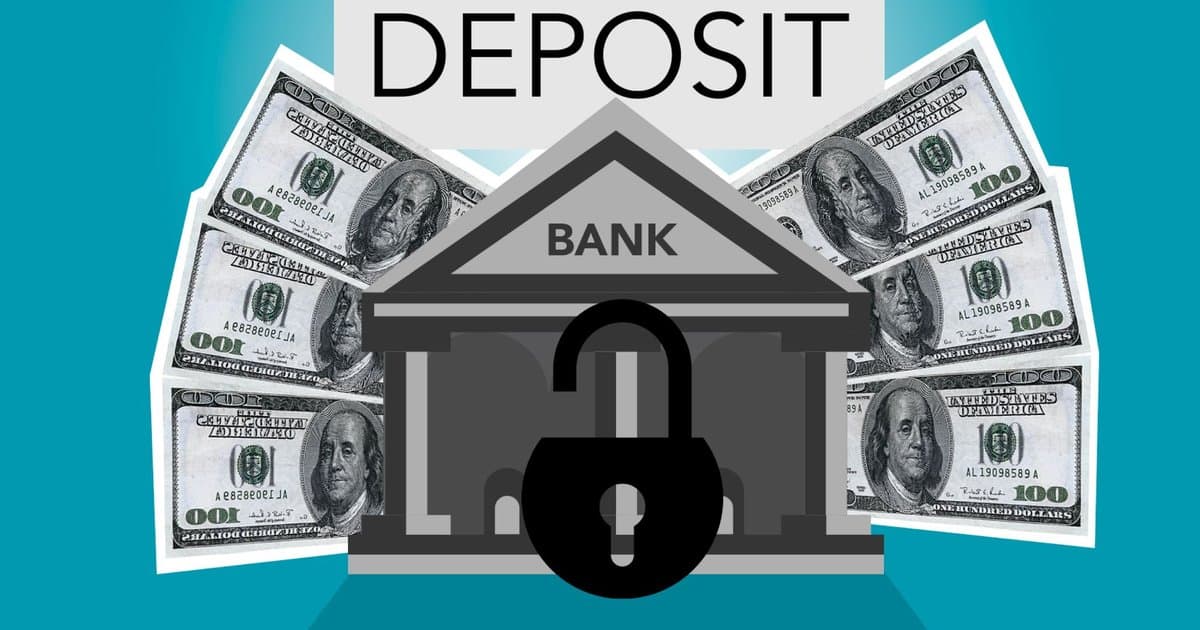
Most people picture their money sitting in a vault with their name on it, waiting patiently until they need it. The reality is nothing like that, and understanding the difference changes how you think about where you keep your cash. When you deposit money, the bank does not lock it away, it lends most of it out to other customers as mortgages, car loans, and business loans. Your balance is a promise from the bank that you can withdraw that amount, not a stack of bills set aside in your honor. The bank earns interest on the money it lends, and that is the core of how it makes a profit. The small interest it pays you is a fraction of what it earns using your deposit, and that gap is the part nobody explains at account opening.
This arrangement is not a scandal, it is how banking has worked for centuries, and it serves a real purpose. By pooling deposits and lending them out, banks fund the homes, cars, and businesses that keep an economy moving. The system holds together because not everyone withdraws at the same time, so the bank only needs to keep a portion on hand to cover normal activity. The catch is that your money is genuinely at work elsewhere, which is why your deposits are protected by federal insurance up to a set limit. That insurance is the safety net that makes the whole model trustworthy, and it is the single most important feature to confirm any account has. If a bank ever failed, that coverage is what stands between you and a real loss, so knowing your balance sits within the insured limit matters more than most people realize.
The part that should change your behavior is the gap between what the bank earns and what it pays you. Big traditional banks are famous for paying almost nothing on checking and basic savings, often a rate so low it rounds to zero. They can do this because most customers never move their money, treating the convenience of a familiar branch as worth the lost interest. Meanwhile, online banks and money market accounts frequently pay far more on the exact same dollars, with the same federal insurance backing them. Leaving a large balance in a near-zero account is handing the bank free use of your money and asking for nothing in return. Once you see the deposit as a loan you are making to the bank, it feels strange to make that loan at a rate of basically zero.
There is a second reveal hiding inside your monthly statement, and it is the fees. Overdraft charges, maintenance fees, out of network ATM fees, and minimum balance penalties quietly pull money out of accounts every month. These fees are a major source of bank revenue, and they fall hardest on the people who can least afford them. The good news is that most of them are avoidable once you know they exist and read the fine print on your account. Many banks waive maintenance fees with a direct deposit or a minimum balance, and plenty of accounts charge no monthly fee at all. Switching to a no-fee account and keeping a small buffer to avoid overdrafts can save hundreds of dollars a year with almost no effort.
The lesson here is not to distrust banks, because the system is sound and your insured deposits are safe. The lesson is to stop treating your money as something that just rests in a vault and start treating it as a tool that should be working for you. Keep your everyday spending money where it is convenient, but move your savings somewhere that actually pays you a real rate. Confirm your accounts are within the federal insurance limit, cut the fees you can avoid, and check your rate at least once a year against what competitors offer. None of this requires special knowledge or a financial advisor, just the willingness to see your money clearly. The people who quietly come out ahead are not the ones with secret strategies, they are the ones who simply understood what their bank was doing all along.