The idea that every adult needs eight glasses of water a day has been repeated so often that most people treat it as settled science. The number sounds clean and easy to remember, which is part of why it spread. The trouble is that nobody can point to a real study that proves it. Researchers who traced the origin found a 1945 government note suggesting about 2.5 liters of fluid a day for adults. That same note added that most of this water comes from the food we eat. That second sentence got dropped over the decades, and we were left with a rule that pushes far more plain water than the body actually asks for. Once you dig into the history, the rule looks less like medical guidance and more like a rumor that ran unchecked for eighty years.
Your daily fluid does not have to arrive in a glass to count. Fruit, vegetables, soup, coffee, tea, milk, and nearly everything else you eat or drink adds to your total. A cucumber is about 95 percent water, an orange sits near 86 percent, and even a cooked chicken breast carries real moisture. Coffee and tea still hydrate you despite the old warning that caffeine dries you out, because the fluid you take in far outweighs the mild diuretic effect. When you add all of that up, a normal eater is often most of the way to their needs before pouring a single glass. Counting only plain water ignores the majority of what keeps you running. Watery meals like stews, smoothies, and yogurt sneak in fluid you would never think to count.
Your body has run a hydration system for your entire life, and it works better than a fixed number on a chart. When your blood gets slightly concentrated, your brain releases a signal that makes you feel thirsty, and your kidneys hold onto more water at the same time. Healthy people who drink when they feel thirsty almost never end up dangerously low on fluid. The color of your urine is a simple second check you can read in seconds. Pale yellow usually means you are fine, and darker yellow is a fair nudge to drink something soon. There is little reason to force glass after glass on a schedule when your own biology already keeps score. A working set of kidneys is far more precise than any app, and it adjusts minute by minute to what you actually need.
The rule survives because it is simple, and simple beliefs are hard to kill. A round number with a clean unit feels trustworthy even when the evidence behind it is thin. Wellness brands had every reason to keep it alive, since selling bottles and marked up water is easier when people fear they are always behind. Phone apps now buzz at you to log another glass, turning a basic need into a scoreboard. The number also gives anxious people something to control, which feels productive even when it changes nothing. Once a habit wears the costume of health, most of us stop asking whether it was ever true.
None of this means water stops mattering, because it clearly does. Heat, hard training, illness with fever, pregnancy, and nursing all raise your needs in ways you can feel. Older adults sometimes notice thirst less sharply, so a bit more intention helps them stay safe. But more is not always better, and that part rarely gets said out loud. Drinking large amounts of water in a short window can pull the sodium in your blood too low, a problem that has hospitalized endurance runners and, in rare cases, turned deadly. The body wants balance, not a flood, and it pushes back against both extremes. The cases that make the news almost always involve forcing huge volumes fast, not normal drinking across a normal day.
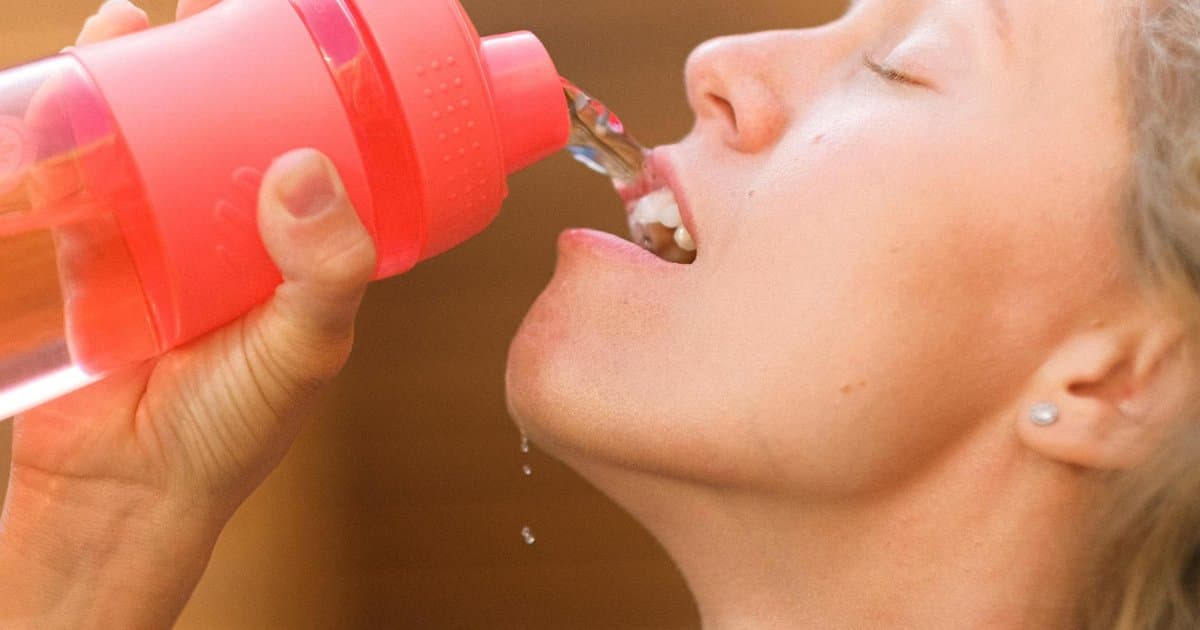
If you want a plan that respects your body without running your day, keep it light. Drink a glass when you wake up, since you lose water through breath and sweat overnight. Keep water near your desk, your bag, or your car so reaching for it takes no thought. Drink with meals, where it helps digestion and arrives alongside food that already carries fluid. Pay closer attention on hot days, long drives, and tough workouts, when your needs climb fast. Beyond that, let thirst do the job it has always done. A water bottle you refill is a fine tool, just do not treat the lines on it as a verdict on your health.
So the honest takeaway is calmer than the rule it replaces. Eat real food, keep a drink within reach, and check in with thirst and urine color through the day. Drink more when the weather is hot, when you sweat hard, or when you feel run down. Stop treating a random number as a daily test you can pass or fail. Your hydration was never meant to be a math problem you solve every morning. It was meant to be a quiet conversation with a body that has handled this since the day you were born.