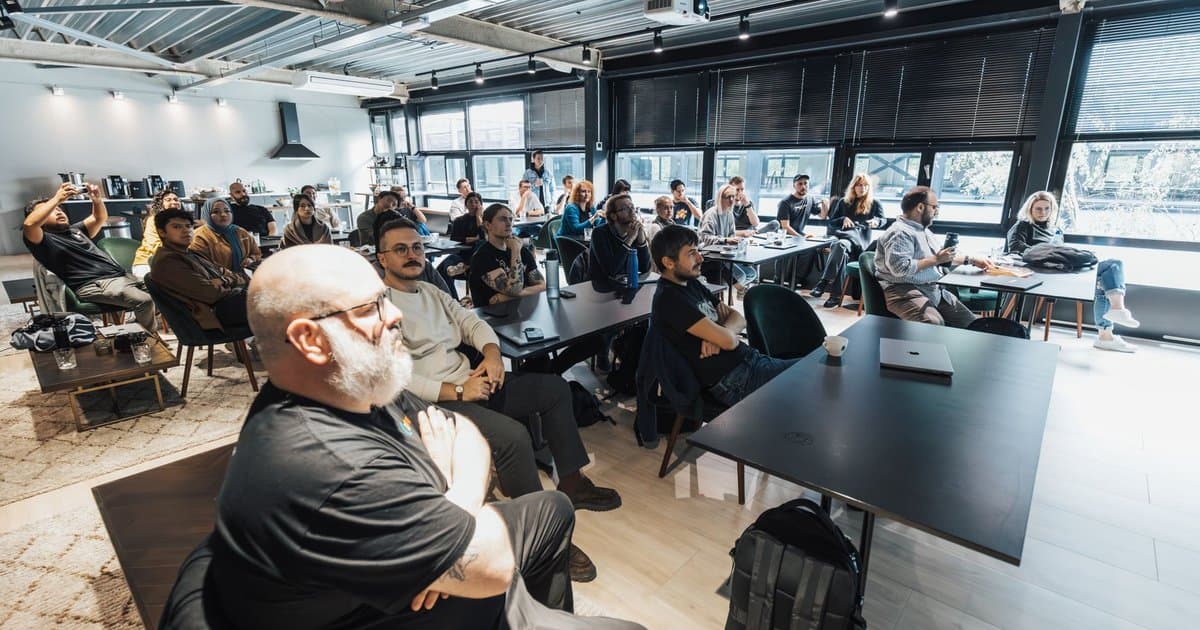
Walk into almost any large company and you will find a diversity training program on the calendar. Usually it is a single session, a slide deck, a few videos, and a quiz at the end. Everyone files in, clicks through, and goes back to their desks feeling like the box is checked. The assumption behind all of it is simple. If you teach people about bias, they will carry less of it into their decisions. That assumption sounds right, which is exactly why so few people stop to test it. When researchers actually measure what happens after these sessions, the results are far weaker than the budgets would suggest.
The hard finding is that the one time mandatory session does very little to change real behavior over time. People often score better on a quiz right after the training, then drift back to their old patterns within days or weeks. In some studies, the mandatory format produced a small backlash, where employees who felt forced into the room came out more defensive than before. That does not mean people are hopeless or that the goal is wrong. It means the most common delivery method was built for compliance and paperwork, not for actually shifting how people hire, promote, and treat each other.
Part of the problem is how memory and habit work. A behavior that has been repeated for years does not unwind because someone watched a video on a Tuesday. Bias in a hiring decision is fast and quiet. It shows up in who gets the benefit of the doubt on a thin resume, who gets interrupted in a meeting, and whose mistake gets remembered longest. A single lecture cannot reach into those split second moments. By the time the manager is reading the tenth application of the day, the training is gone and the old shortcut is back in the driver seat.
So what does move the needle. The research points toward things that are structural rather than inspirational. Mentorship programs that pair people across lines of difference tend to change outcomes, because they create real relationships and real accountability over months, not minutes. Clear hiring rubrics help, because they force everyone to evaluate the same things in the same order instead of going on gut feeling. Transparent data helps too. When a company publishes who gets hired, promoted, and paid, patterns that used to hide in the aggregate become impossible to ignore, and what gets measured tends to get managed.
Voluntary beats mandatory more often than people expect. When employees choose to attend, they show up curious instead of cornered, and the same content lands differently. That is not an argument for letting people opt out of basic respect. It is a recognition that you cannot force a change of mind through a locked door, and that resentment is a poor foundation for anything you actually want to last. The companies seeing real change usually treat training as one small piece of a larger system, not as the whole strategy.
There is also the matter of who is accountable when nothing changes. A training session has no follow up by design. Nobody checks in three months later to see whether the manager actually changed how she runs interviews. Real accountability looks like a person whose job includes tracking these outcomes, a leader who asks about them in reviews, and consequences that are more than a stern email. Without that structure, even a good session evaporates, because there is no reason for anyone to carry the lesson past the parking lot.
None of this means the goal is wrong or that the effort is wasted. A workplace where people are judged on their work and treated with dignity is worth building, and most people genuinely want that. The point is narrower and more useful. The standard product that gets sold as the solution, the annual click through session, is the part doing the least. Treating it as the finish line lets a company feel responsible while changing almost nothing in practice.
If you run a team and you actually care about this, the takeaway is practical. Spend less energy on the polished one off event and more on the boring structural work. Write down how you evaluate people and follow it. Open up the numbers, even when they are uncomfortable. Build relationships that last longer than a lunch. Those moves are slower and far less photogenic than a company wide training day, but they are the ones that show up in who gets hired, who gets heard, and who gets to stay. It also helps to be honest with employees about why the work is happening, since people can tell the difference between a company protecting itself and one trying to get better, and that difference shapes how seriously they take any of it. The session can stay on the calendar. Just stop pretending it is the answer by itself.