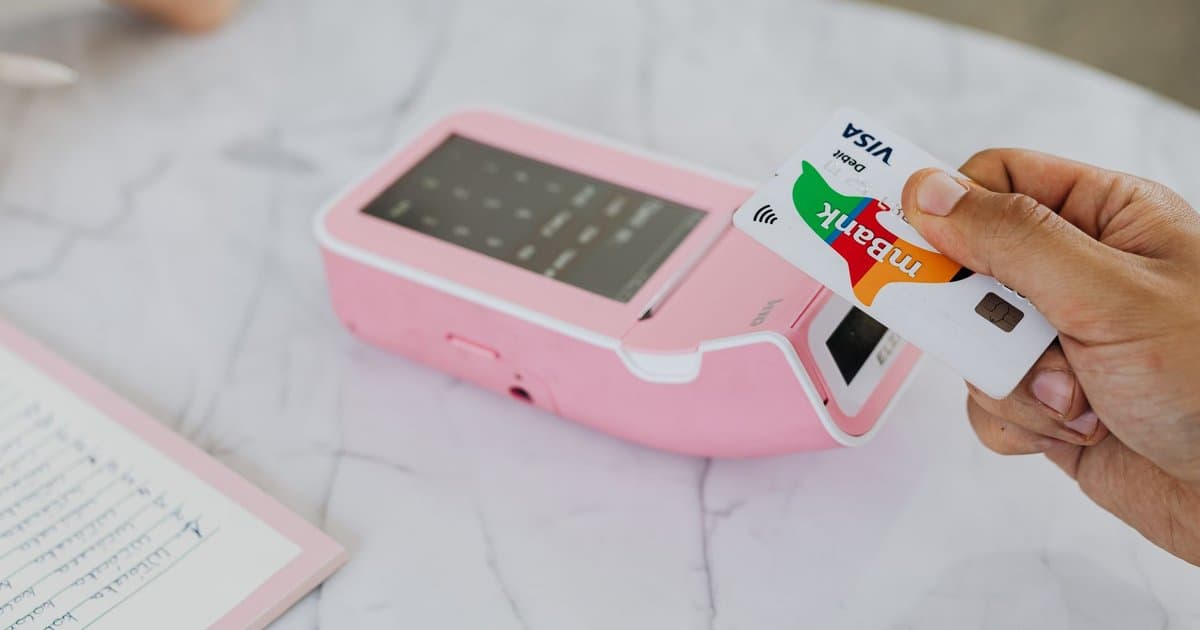
A debit card and a credit card feel almost identical when you tap them at a register. Same size, same chip, same quick beep, same logo in the corner. The difference sits underneath, in whose money actually moves and what law covers you when something goes wrong. A debit card pulls cash straight out of your checking account the moment you pay. A credit card borrows from the bank and sends you a bill later. That gap sounds small at the counter, and for most purchases it never matters at all. But the day a thief gets your number, that gap decides how fast you get your money back and whether your other bills bounce while you wait.
Two different federal rules govern these cards, and they are not equal. Credit cards fall under the Fair Credit Billing Act, which caps your liability for fraud at 50 dollars, and most issuers waive even that with zero liability policies. Debit cards fall under the Electronic Fund Transfer Act, and there your protection depends entirely on how fast you report the problem. Report the fraud within two days and you are capped at 50 dollars. Wait up to 60 days and you could be on the hook for up to 500 dollars. Wait longer than 60 days after the statement, and you can legally lose everything the thief took. The clock is the whole game.
The bigger issue is whose money is at risk while the mess gets sorted out. When a thief runs up a fraudulent charge on your credit card, that is the bank's money sitting in dispute, not yours. You withhold payment on the charge and keep your own cash while the investigation runs its course. When a thief drains your debit card, that is your money, already gone from your checking account before you even notice. Now you wait for the bank to investigate and return it, and that process can take days or stretch into weeks. During that stretch, your rent, your car payment, and your utility bills all still come due on schedule.
Picture a skimmer hidden on a gas pump quietly copying your card as you fill up. On a credit card, you spot the strange charge a day later, call the bank, and the charge disappears while they look into it. Your actual bank balance never moves an inch. On a debit card, that same skimmer can empty your checking account before you ever see the alert. Now the mortgage payment bounces, the overdraft fees start stacking at 35 dollars each, and you are fighting to get your own money returned to you. It is the same crime in both cases, but a very different morning. The card you happened to reach for at the pump decided which version you live through.
None of this means debit cards are useless or that you should cut yours up. They are a strong tool for people who want to spend only what they actually have and skip interest entirely. The cash never leaves faster than you can afford, and there is no bill waiting to surprise you at the end of the month. For plain everyday budgeting, that built in discipline has real value, especially for anyone working to stay out of debt. The point is not to throw the debit card away. The point is to understand its weak spots clearly and stop reaching for it in the specific places where card fraud is most likely to happen.
A few simple habits close most of the gap between the two. Use a credit card for online shopping, for travel, at gas pumps, and anywhere a stranger takes your card out of your sight, like a restaurant. Save the debit card for planned purchases where you control the terminal yourself, such as your weekly grocery run. Check your accounts at least once a week so no fraud ever sits quietly for 60 days. Turn on transaction alerts so your phone buzzes the second any charge posts, which turns you into your own fraud department. None of these steps costs a dollar, and together they flip the reporting clock from a threat into a tool working in your favor.
The two cards look the same on purpose, because the companies want them to feel interchangeable in your hand. Underneath, they are not the same at all. One puts the bank's money on the line when things go wrong, and one puts yours, along with your ability to cover the bills due that week. Knowing which is which does not require a finance degree, just a clear sense of where the danger actually lives. Reach for credit in the risky places and pay the balance in full every month, and you get the stronger protection without ever paying a cent of interest. That is the quiet advantage already sitting in your wallet, and most people carry it for years without using it.