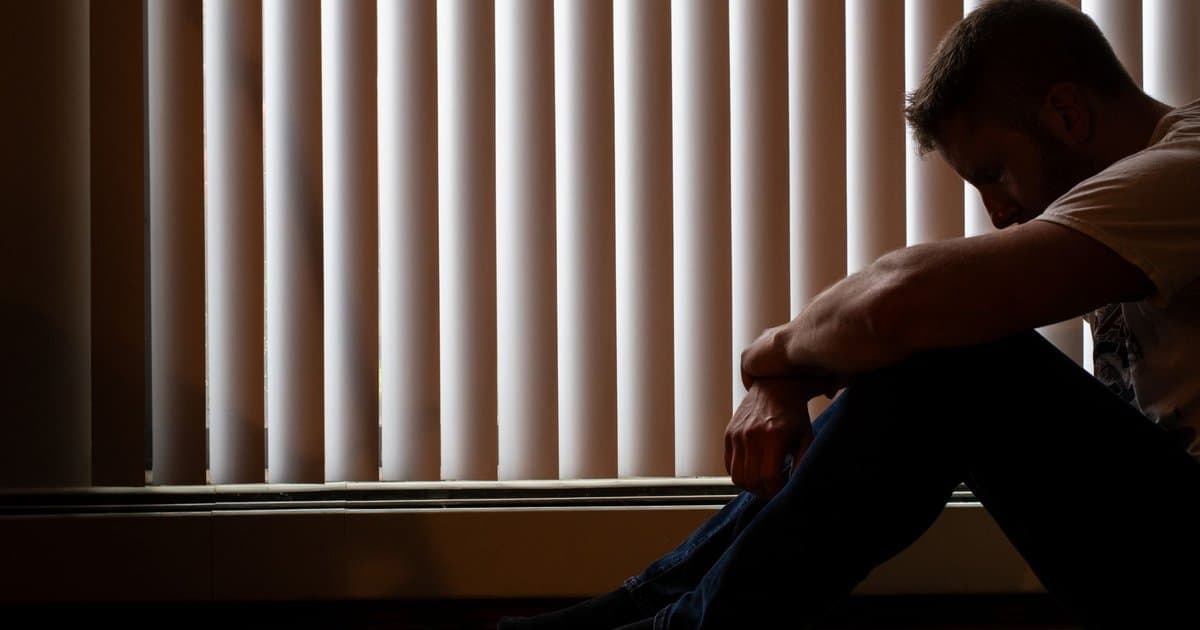
You know the feeling all too well. It is late, your eyes are heavy, and your body has been asking for sleep for an hour. The smart move is obvious, and you fully know it, yet you keep scrolling, or watching one more episode, or wandering the kitchen. Nothing you are doing is urgent or even all that interesting. Still, going to bed feels strangely like giving something up. You are exhausted and wide awake at the same time, and some part of you flatly refuses to let the day end.
This pattern has a name, and naming it actually helps. Researchers and writers call it revenge bedtime procrastination. The phrase grew out of an expression that spread online to describe people who felt they had no time for themselves during the day. So they took a kind of revenge at night by staying stubbornly awake. The definition is simple enough: sacrificing sleep in order to claim the leisure that daytime never allowed. It is putting off bedtime not because you cannot sleep, but because you are not ready to stop being awake. Once you can call the habit by its name, it stops feeling like a personal defect and starts looking like a pattern.
Here is the part most people miss entirely. This is not really a failure of discipline, and it is not plain laziness. If it were only about willpower, the same tired person would collapse into bed without any fight at all. What is actually happening is a quiet grab for control. When a day gets swallowed by work, tasks, and other people's needs, the late night becomes the one stretch that feels like yours. Staying up is a way of reclaiming a little freedom, even at a cost you will surely pay tomorrow.
Bedtime gets targeted for a very specific reason. For many people, those quiet hours are the only unclaimed time in the entire day. The morning belongs to the alarm and the commute, the afternoon belongs to the job, and the evening belongs to chores and family. By the time the house finally goes silent, it is the first moment nobody wants anything from you. Trading sleep for that silence can feel like a fair deal in the moment. You are not avoiding rest so much as protecting the only slice of the day that felt like living. The hours are not really about the phone in your hand, they are about the ownership those hours carry.
Your brain also has much less to work with at night. Self control runs low after a long day of decisions, so the part of you that knows better is simply weaker. On top of that, stopping a pleasant activity takes effort, and starting the boring wind down takes even more. Scrolling asks nothing of you, while going to bed asks you to shut down and let go. So the easy choice wins, again and again, long past the point of being tired. It is less a real decision than a slow, quiet drift.
Certain lives make this whole pattern far more likely. People with packed schedules, demanding jobs, and little say over their hours are prime candidates for it. Parents and caregivers know it intimately, since their days are shaped almost entirely around someone else. The busier and more controlled your day feels, the stronger the pull to steal a little time back after dark. It is no coincidence that the people most starved for autonomy are often the worst offenders. The behavior is a signal about the day, not a flaw in the person. Fixing the sleep without addressing the day rarely works, because the real shortage is time that belongs to you.
The trouble is that this fix is really a trap. Every hour stolen at night is borrowed against tomorrow, and the debt comes due fast. You wake up more tired, more foggy, and even less in control of your day than before. That loss of control feeds the very hunger that drives the late nights, so the cycle tightens. Mood dips, focus slips, and the small joys you stayed up for start to feel oddly hollow. Revenge on the clock turns out to mostly punish the person taking it. The relief you chase at midnight quietly borrows from the very calm you needed all along.
Breaking the pattern starts with taking the real need seriously. The craving is not truly for screen time, it is for autonomy and rest that belong to you. So try to build genuine pockets of that into daylight, even small ones, so the night is not your only refuge. Create a soft landing before bed, a short ritual that signals the day is closing on your own terms. Put the phone across the room and let the wind down feel like a choice rather than a punishment. When your days give you a little more room, your nights slowly stop having to fight for it.