A few years ago, the idea that vinyl records would outsell compact discs again sounded absurd to almost everyone. Vinyl was the format your grandparents used, heavy and fragile and slow to play. Yet for several years running, records have moved more units and more dollars than CDs, and the gap keeps widening. The easy explanation is nostalgia, and that is part of it, but nostalgia alone does not explain the buyers. So many of them are young people who never owned a CD player in their lives. The real reason is more interesting, and it says a lot about how we relate to the things we love.
Start with what streaming quietly took away from us. When all of recorded music became a free flowing river on your phone, owning a song stopped meaning very much. You can play almost any track ever recorded in seconds, which is a genuine wonder, but it also made music feel weightless and disposable. Nothing costs anything to hear, so nothing feels particularly precious anymore. A vinyl record is the exact opposite of weightless in every way. It is a large, physical object you paid real money for, and that weight gives the music back a sense of value that the endless river quietly drained away.
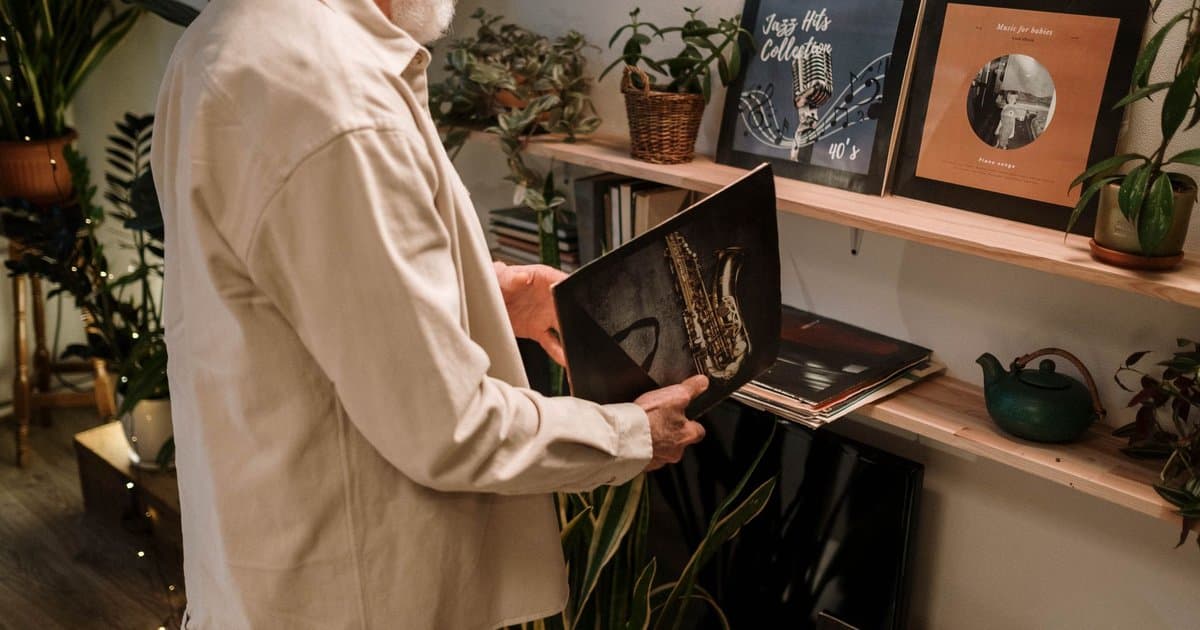
There is also the experience of playing one, which is the part streaming simply cannot copy. You choose the record, slide it out of the sleeve, set the needle down, and then you listen to a whole side in the order the artist intended. You cannot skip around easily, so most of the time you simply do not. The album becomes a thing you sit with rather than a playlist you ignore in the background while doing chores. In a world built to fracture attention into tiny pieces, the ritual of playing a record is a small act of paying attention on purpose, and people are hungry for that without quite knowing it.
The artwork matters more than most people are willing to admit. A record sleeve is roughly a foot square, large enough to be a real piece of art you can hold and study closely. The CD shrank all of that art down to a small plastic case, and streaming shrank it again to a thumbnail you barely glance at. Vinyl brings back the full size canvas, the liner notes, the lyrics, the photographs, the whole world the artist built around the music. Fans collect records the way other people collect books, because the object itself carries meaning far beyond the audio pressed into it.
Then there is the artist economics, which most listeners never see or think about. Streaming pays musicians a tiny fraction of a cent per play, so even very popular songs return almost nothing. A vinyl record sells for a real price and gives the artist a real cut, which is why so many of them now push their records hard. Buying the vinyl has quietly become the way fans say they actually support someone, not just stream them for free. That shift turned the record from a relic into a statement, a way of voting with your money for the kind of music you want to keep existing.
The numbers behind the trend make the whole shift hard to dismiss as a fad. Vinyl sales have grown for many years in a row, while CD sales fell for most of that same stretch before leveling off. New pressing plants have opened just to keep up with the demand, something nobody expected to ever see again. Major artists now plan their vinyl releases as a central part of an album rollout, not an afterthought. Record stores, long declared dead by everyone, have quietly reopened in cities that lost them a decade ago. A format written off as obsolete became one of the few parts of the music business that reliably grows.
None of this means streaming is going anywhere, and it should not. The river is still where most listening happens, and that convenience is real and worth having. What changed is the role each format plays in a fan's life. Streaming is how you discover and how you listen on the move every day. Vinyl is how you commit to the music you decided to keep for good. The two are not really competing, since they answer two very different needs that a single app could never serve at once.
So the vinyl comeback is not really about sound quality, and it is barely about nostalgia at all. It is about weight, ritual, art, and support, all the things that streaming made frictionless and, in doing so, made forgettable. People did not actually miss the scratches and the storage problems that came with records. They missed owning something, sitting with it, and feeling like the music genuinely mattered to them. The record gives all of that back in one heavy black disc, and that is why a format from another century keeps outselling the one that was supposed to replace it.