There is a price tag in every grocery store that does not make sense on paper. The gallon of milk, the rotisserie chicken, the dozen eggs during a holiday week, sometimes priced so low the store loses money on each one. New business owners look at that and assume it is a mistake or a race to the bottom. It is neither. Those low prices are placed there on purpose, and they follow a strategy that is older than the supermarket itself. The item is called a loss leader, and understanding it changes how you see every store you walk into.
A loss leader is a product sold at or below cost to pull customers through the door. The store knows it will lose a little on that one item. It also knows that almost nobody walks in, buys only the milk, and leaves. You came for the cheap gallon, but you left with bread, snacks, cleaning supplies, and a few things you did not plan on. The margin on that full cart more than covers the small loss on the milk. The store traded a few cents on one item for dollars across the rest of your trip.
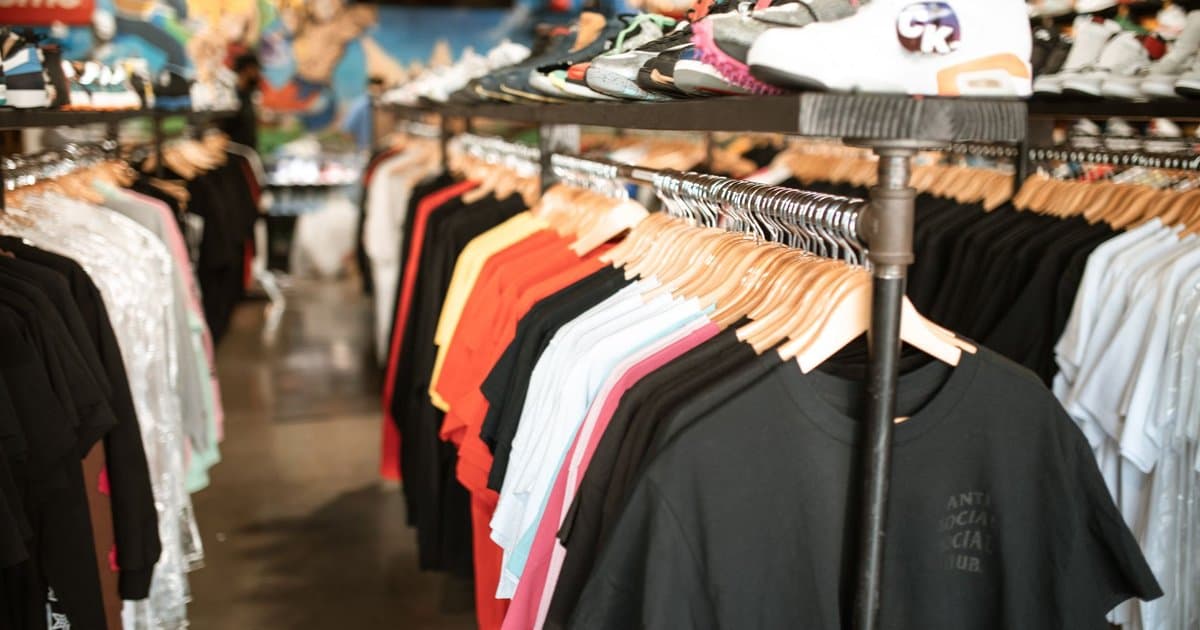
Notice where those cheap staples sit. Milk and eggs are almost always at the back of the store, as far from the entrance as possible. That is not an accident of plumbing or refrigeration. It forces you to walk past hundreds of full margin products to reach the thing you came for. Pharmacies do the same with the prescription counter in the back, and warehouse clubs do it with the rotisserie chicken near the far wall. Every step you take past a shelf is another chance for something to land in your cart.
This is not only a grocery trick. Printer companies sell the printer cheap and make their money on ink for years. Game consoles often sell at a loss at launch, and the profit comes from the games and subscriptions. A coffee shop might price a plain drip coffee low and earn its margin on pastries and specialty drinks. Streaming services offer a cheap first month, betting you will forget to cancel. The pattern is the same everywhere. Price one thing to pull people in, then earn on what they buy next.
The reason this works sits in how people judge value. Shoppers cannot track the price of every item, so they anchor on a few they know well. Milk, eggs, bananas, and a rotisserie chicken are known value items, prices people actually remember. When those are cheap, the whole store feels cheap, even if the rest of the shelf is priced at full margin. The loss leader buys a reputation for low prices at a small cost. That reputation brings people back week after week.
If you run a business, this holds a real lesson. You do not have to make a profit on every single thing you sell. You need to make a profit on the relationship. A cheap or free entry offer can be worth far more than its cost if it brings in customers who stay and spend. A car wash sells the first month of unlimited washes for almost nothing because the plan renews for a year. The math works when you look at the whole customer, not the single sale.
There is a catch, and it is a big one. A loss leader only works if the rest of the trip actually earns the margin back. Sell everything at a loss and you simply go broke faster. The strategy also fails if customers get good at buying only the cheap item and nothing else, which is why stores watch that behavior closely. Some states even have laws against selling below cost to crush competitors. The tool is powerful, but it cuts both ways, and it demands you know your numbers cold.
Once you see the loss leader, you cannot unsee it. The cheap gallon of milk at the back of the store is not generosity, and it is not a mistake. It is a carefully placed invitation, and the real prices are waiting on the shelves between the door and the dairy case. None of this means you are being cheated, because you can walk in, buy only the deal, and walk out. It just means the store is playing a longer game than the price tag suggests. The smartest thing you can do, as a shopper or an owner, is know which game is being played.