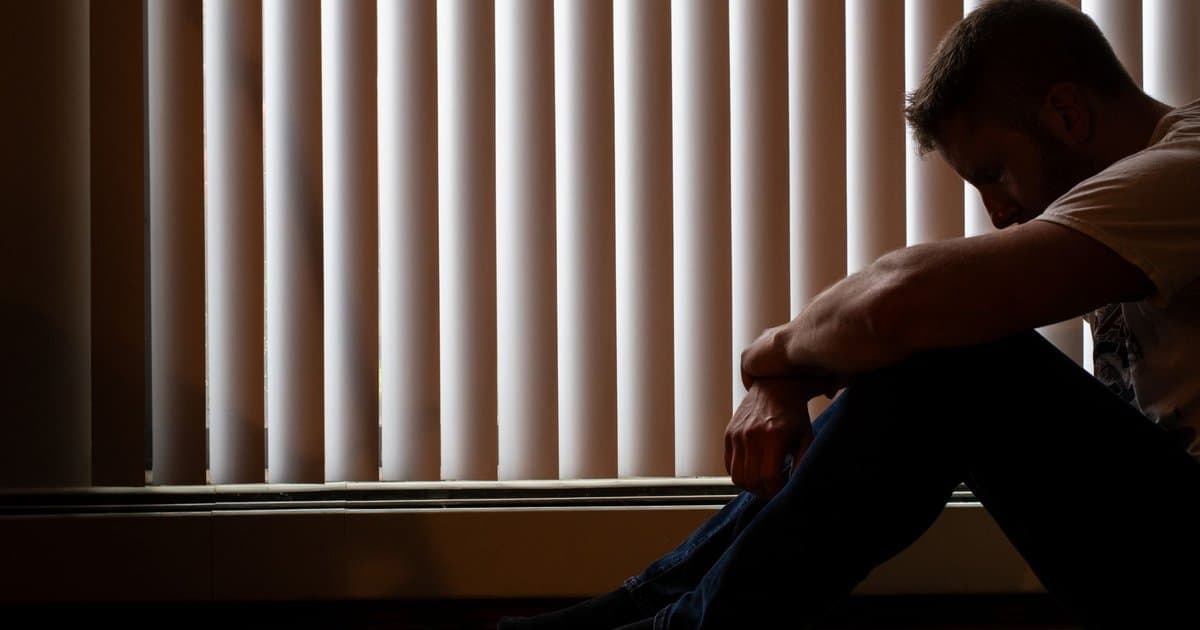
The mistake is simple, and almost everybody makes it. When something makes you anxious, you avoid it. You skip the phone call, cancel the plan, put off the email, take the long way around the situation that scares you. In the moment this works perfectly. The anxiety drops the second you decide not to do the thing, and your body floods with relief. That relief is the trap. Your brain just learned that avoiding the situation made you feel better, so it files the situation under danger and turns up the alarm a little louder the next time it comes around.
Anxiety is not really about the thing you are afraid of. It is about the prediction your brain is making, a prediction that something bad will happen if you go forward. The only way that prediction ever gets corrected is by going forward and watching the bad thing fail to show up. When you avoid, you never give your brain that correction. You leave the scary prediction standing, untested and intact, and the fear gets to keep all of its power. People think they are protecting themselves when they avoid. What they are actually doing is paying a small comfort today in exchange for a larger fear tomorrow, over and over, until the world feels much smaller than it used to.
This is why anxiety tends to grow when you give in to it. A person who fears driving on the highway starts taking side streets. Side streets feel safe, so highways start to feel more dangerous by comparison, so they avoid those too. Soon the avoidance spreads to merging, then to driving at all, then to leaving a comfort zone that keeps shrinking. The fear was never the problem on its own. The avoidance is what fed it and gave it room to expand. Every time you let anxiety decide what you do, you hand it a little more authority over your life.
The fix is the opposite of what your nervous system is begging for. You face the thing, on purpose, in doses you can handle. Therapists call this graded exposure, and it works because it finally lets your brain run the experiment it has been refusing to run. You do not throw yourself into the worst version all at once. You build a ladder. If calling people on the phone makes you anxious, the bottom rung might be writing out what you want to say. The next rung is calling a business with simple hours questions. The next is calling a friend. You climb one rung at a time, staying in each step long enough for the anxiety to rise, peak, and come back down on its own while you are still there. That last part matters more than anything, because the drop teaches your brain that the feeling passes without you running.
None of this means you should ignore real danger or push through a genuine crisis alone. If your anxiety is severe, tied to trauma, or stopping you from functioning, working with a licensed therapist is the right move, and exposure done with support is far more effective than white knuckling it solo. The goal is not to feel no fear. The goal is to stop letting the fear pick your choices for you. Start small enough that the first step feels almost too easy, do it anyway, and let yourself notice that you survived. Then take the next one. The relief you get from avoiding is real, but it is a loan with a brutal interest rate. The relief you earn by facing something is the kind that actually pays you back, because each time you do it, the alarm gets a little quieter and your life gets a little bigger.
It helps to expect the discomfort instead of being surprised by it. When you face something you have avoided, the anxiety will spike, and your mind will offer a hundred reasons to bail out right then. That spike is not a sign you are in danger. It is the old prediction firing one last time before it gets corrected, and if you stay put, you get to watch it fall. Many people quit at the peak, the exact moment before the lesson lands, and then they remember the panic instead of the relief that would have followed. Plan for the rise, stay long enough for the drop, and you teach your brain the only lesson that actually rewires the fear.
This topic touches on mental health, and if you are struggling in a way that feels heavier than everyday worry, reaching out to a professional or someone you trust is a strong and reasonable step. Anxiety responds to the right approach, and the right approach is almost never to keep running.