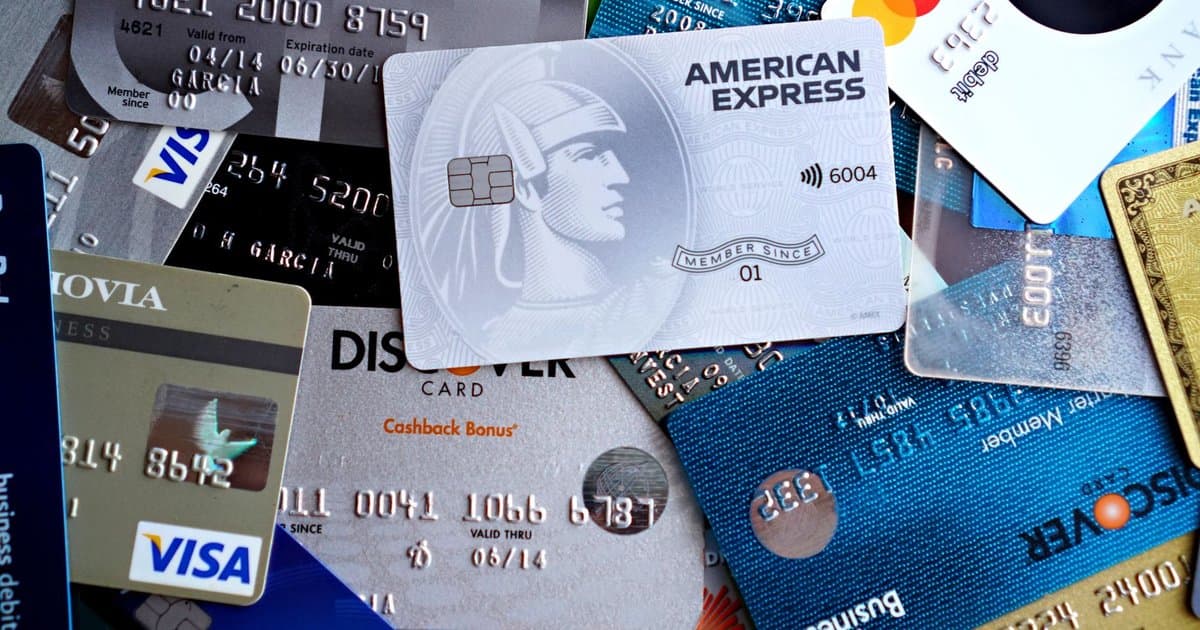
Most people believe that paying their credit card in full every month is the gold standard, and in one sense they are right. You avoid interest, you stay out of debt, and you build a clean record of on time payments. The mistake is not whether you pay. The mistake is when you pay. Your card issuer reports your balance to the credit bureaus once a month, and it almost always reports the balance sitting on your statement closing date, not the balance on the day your payment is due. If you wait until the due date to pay, the issuer has already taken a snapshot of a high balance and sent it off, even though you were about to wipe the card clean a few days later.
This matters because of something called credit utilization, which is the share of your available credit that you are using at the moment that snapshot gets taken. If your card has a five thousand dollar limit and your statement closes with a two thousand dollar balance, the bureaus see forty percent utilization, even if you pay that two thousand off three days later. Utilization is one of the largest pieces of your score, second only to your payment history in most scoring models. A high number signals risk to a lender, because it looks like you are leaning hard on borrowed money. The frustrating part is that the person who pays in full and the person who carries a balance can show the exact same utilization in any given month. The bureaus do not see your intent, they only see the number printed on the statement.
The fix is simple once you understand the timing. Find your statement closing date, which is different from your payment due date and is usually shown near the top of your statement or inside your online account. A few days before that closing date, make a payment that brings your balance down to a small fraction of your limit. Many people aim to have utilization reported under thirty percent, and those chasing the highest scores keep it under ten. You are not paying anything extra and you are not changing how much you owe. You are simply paying earlier, so that the balance the bureaus record is the low one rather than the high one.
There is a second layer worth knowing, because utilization is measured both on each individual card and across all of your cards combined. You could have low overall usage but one card sitting near its limit, and that single maxed card can still pull your score down on its own. Spreading spending across cards, or paying down the one card that runs hot, keeps any single line from spiking. It also helps to know that utilization has no memory at all. Unlike a late payment that can follow you for years, a high utilization month vanishes the moment a lower balance gets reported the next cycle. That means this is one of the few credit problems you can actually repair in a single billing period.
This quietly costs people who are doing everything else right. Someone with years of on time payments and no real debt can still get denied the best rate on a car loan or a mortgage because they happened to apply right after a heavy spending month. First generation wealth builders feel this the most, because they often carry fewer cards and lower limits, which makes a normal month of groceries and gas look like heavy usage on paper. If you have a big application coming, pay your cards down early for two or three months before you apply, so the reported numbers stay low when a lender is looking. Check your closing dates this week and set a reminder a few days ahead of each one. Small timing changes, repeated every month, move a number that decides how much you pay to borrow for years to come.