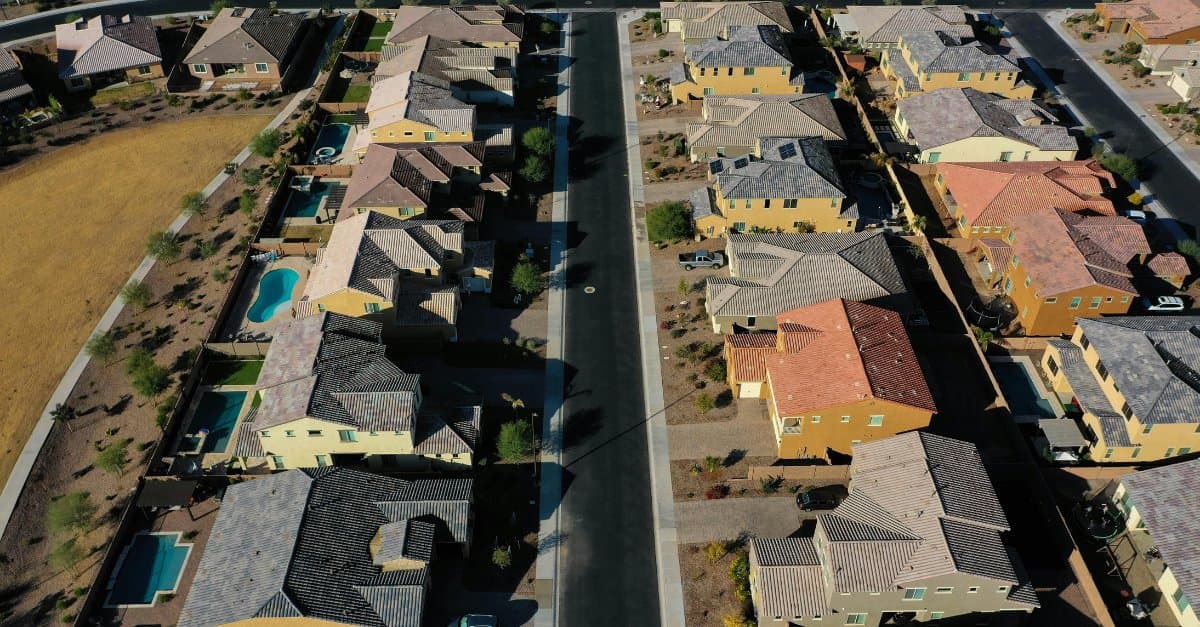
For the better part of a decade, the narrative around American real estate was simple enough that you could fit it on a bumper sticker. Move south, move west, buy where the sun shines and the taxes stay low. Austin, Phoenix, Tampa, Cape Coral, Boise. Those were the markets everybody talked about at dinner parties and on podcasts. The numbers backed it up for years. Population growth, job migration, builder activity, and appreciation rates all pointed in the same direction. But in 2026, the story has changed so dramatically that some of the people who bought at the peak in those markets are now watching their equity disappear month by month.
According to data released this week, national home price appreciation has slowed to just 1.1 percent over the past twelve months, the weakest pace since tracking began in 2012. Projections for the first three weeks of April suggest the trend will turn negative nationally for the first time in over a decade. But the national number is almost meaningless now because the regional picture is so fractured that two cities in the same country might as well be operating in different economies entirely. Cape Coral, Florida has seen prices fall 9.6 percent year over year. Meanwhile, Kansas City posted an 8.6 percent gain. Pittsburgh and Cleveland both climbed above 5 percent. The Rust Belt, which spent years being dismissed as a relic of another era, is now producing the strongest appreciation numbers in the country.
What happened is not some random market correction. It is the predictable result of what economists are calling the affordability economy. When mortgage rates climbed from just under 6 percent in late February to 6.46 percent this week, driven in large part by inflation fears tied to the Iran conflict and rising energy costs, the math changed for millions of buyers. The monthly payment on a $400,000 home jumped by roughly $120 practically overnight. In markets where prices had already been stretched to their limits by years of speculative buying and pandemic migration, that additional cost became the final straw. Sellers in Sun Belt metros are now listing and sitting, with 37 percent of agents reporting that time on market is their clients' top concern, up from 30 percent at the end of last year.
The Rust Belt resurgence is not about hype or speculation. It is about fundamentals that were always there but were ignored because the cities lacked the lifestyle appeal that drove social media fueled migration during COVID. Pittsburgh has a diversified economy anchored by healthcare, education, and tech. Cleveland is experiencing a manufacturing and logistics renaissance. Kansas City benefits from a low cost of living, steady job growth, and infrastructure investment that has been building quietly for years. These markets never overheated because they never attracted the wave of remote workers and investors who pushed Sun Belt prices to unsustainable levels. Now that affordability is the primary driver of buyer behavior instead of vibes and weather, the numbers favor the places that stayed grounded.
San Francisco, San Jose, and Los Angeles have officially slipped into undervalued territory after years of price correction. That might sound like an opportunity, but the dynamics in those markets are complicated by state tax policy, insurance costs, and the lingering effects of remote work on commercial real estate. Being undervalued does not automatically mean being a good buy. It means the market has repriced to reflect a new reality, and whether that reality stabilizes or deteriorates further depends on factors that nobody can predict with confidence right now, including what happens with energy prices, interest rates, and the broader economic trajectory.
The consumer confidence numbers released last week tell their own story. The University of Michigan's sentiment index hit 47.6, which is the lowest reading on record. That is lower than any point during the 2008 financial crisis, lower than the worst months of the pandemic, and lower than the peak of the Biden era inflation surge. When consumers feel that pessimistic, they do not make large purchases. They do not take on new mortgage debt. They wait. And waiting, when multiplied across millions of potential buyers, is what creates the kind of market paralysis that is now gripping much of the country. Real estate agents are describing the current environment as a psychological freeze, where both buyers and sellers are stuck in a standoff that neither side wants to break.
The takeaway for anyone watching the housing market in 2026 is that geography matters more than it has in years. The days of picking a Sun Belt zip code and assuming appreciation would follow are over, at least for now. The markets that are winning are the ones where homes were already affordable, where local economies are diversified, and where speculation never inflated prices beyond what local incomes could support. It is not the most exciting story in real estate. But it is the honest one.