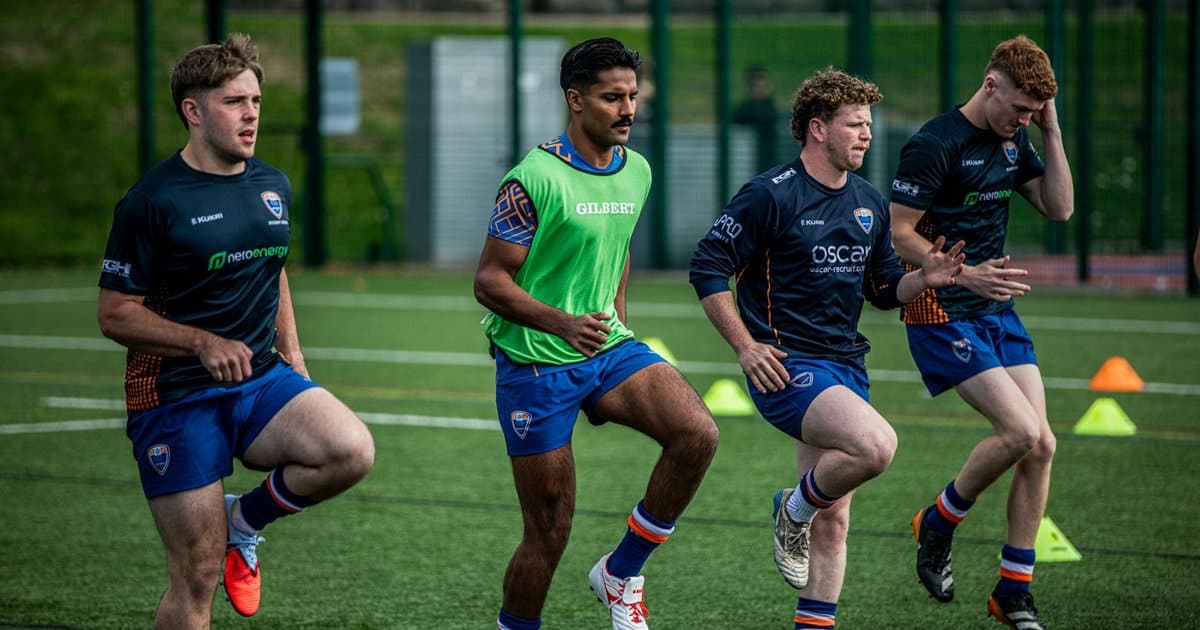
Walk up to any field or court before a game and you will see the same scene. Players sit on the grass, reach for their toes, and hold long static stretches because that is what everyone has always done. The routine feels responsible, like the price of admission for staying healthy. The trouble is that the research does not back it up. Holding long stretches before activity does very little to prevent injury, and in some cases it can briefly make you weaker and slower. The habit survives mostly because it is tradition, not because it works the way people assume.
A static stretch is one you hold still for a stretch of time, like reaching down and holding a hamstring pull for thirty seconds or more. When you hold a muscle in that lengthened position right before explosive effort, you can temporarily reduce how much force it produces. Studies on sprinters, jumpers, and lifters have found small drops in power and strength in the minutes after long static stretching. For a recreational player those drops are minor, but they point to a clear truth. You are not preparing the muscle for hard work. You are relaxing it right before you ask it to fire. That is close to the opposite of what a body needs in the seconds before a sprint or a hard jump.
The injury argument does not hold up much better. The idea behind pre-game stretching was that looser muscles tear less, which sounds reasonable but has not survived testing. Large reviews of the evidence have found that static stretching before exercise does not meaningfully lower the rate of injuries. Most non-contact injuries come from fatigue, poor movement under load, or muscles that were never properly warmed up, not from a lack of flexibility in the moment. Stretching a cold muscle does not address any of those real causes. It treats a problem that is not actually the one putting players on the sideline. Flexibility has its place, but it is not the shield people imagine it to be in the heat of a game.
What does help is raising the body's temperature and rehearsing the movements you are about to perform. A proper warm-up starts with a few minutes of easy movement, like a light jog, that gets blood flowing and lifts your core temperature. Warm muscles contract more efficiently and stretch more safely under load, which is the protection people were chasing all along. From there you move into dynamic work, meaning controlled movements that take your joints through the ranges your sport demands. Leg swings, walking lunges, high knees, arm circles, and gradual sprints all wake the body up the right way. The goal is to arrive at game speed ready, not loose and sluggish.
Dynamic warm-ups also do something static stretching cannot, which is prime your nervous system. Sport is not just muscles, it is timing, coordination, and the brain firing the right muscles in the right order. Movements that mimic the game rehearse those patterns and sharpen reaction time before the first whistle. A sprinter does build-up runs, a basketball player does defensive slides and easy jumps, and a soccer player does passing drills at rising speed. By the time real play begins, the body has already practiced the exact demands it is about to face. That rehearsal is worth far more than any amount of sitting and reaching. It also leaves you mentally switched on, already moving at the pace the first play will demand.
This does not mean static stretching is useless, only that the timing has been wrong. Held stretches are genuinely useful for building long-term flexibility, and the best time for them is after activity or in a separate session. A cool-down stretch, when muscles are warm and you are not about to perform, can improve range of motion over weeks. People working on a specific tight area also benefit from dedicated stretching on its own time. The mistake is doing it cold, right before competition, and expecting it to protect or prepare you. Move it to the end, and it starts doing real work.
The takeaway is not to skip your warm-up, it is to fix it. Replace the long held stretches with a few minutes of light cardio followed by movements that look like your sport. Save the deep stretching for after, when it actually helps your flexibility without dulling your performance. You will feel more explosive at the start, not slower, and you will be better protected by warm, rehearsed muscles than by cold, stretched ones. The old routine was comfortable and familiar, but comfort is not the same as benefit. A smarter warm-up costs the same few minutes and gives you something the toe-touch never did.