In a hot market, buyers get told that waiving the home inspection makes their offer stronger, and that is true. What rarely gets said in the same breath is what you are signing up to absorb when you do it. An inspection is not a formality that slows down a deal. It is the one moment in the entire process where a trained stranger looks at the house with no reason to flatter it. When you give that up, every problem the house is hiding becomes your problem the day you get the keys. The savings on the offer can vanish in a single repair you never saw coming.
Start with the roof, because it is the most expensive surface most people never look at closely. A roof near the end of its life can look perfectly fine from the street while leaking quietly into the structure. Replacing one on an average single family home can run well into the tens of thousands of dollars. A seller is not required to volunteer that the roof has two years left, and without an inspector on a ladder, you will not find out until water shows up on your ceiling. That stain is not a small fix, because by the time it appears, the damage is already inside the wood. The inspection you skipped was the cheapest insurance you will ever turn down.
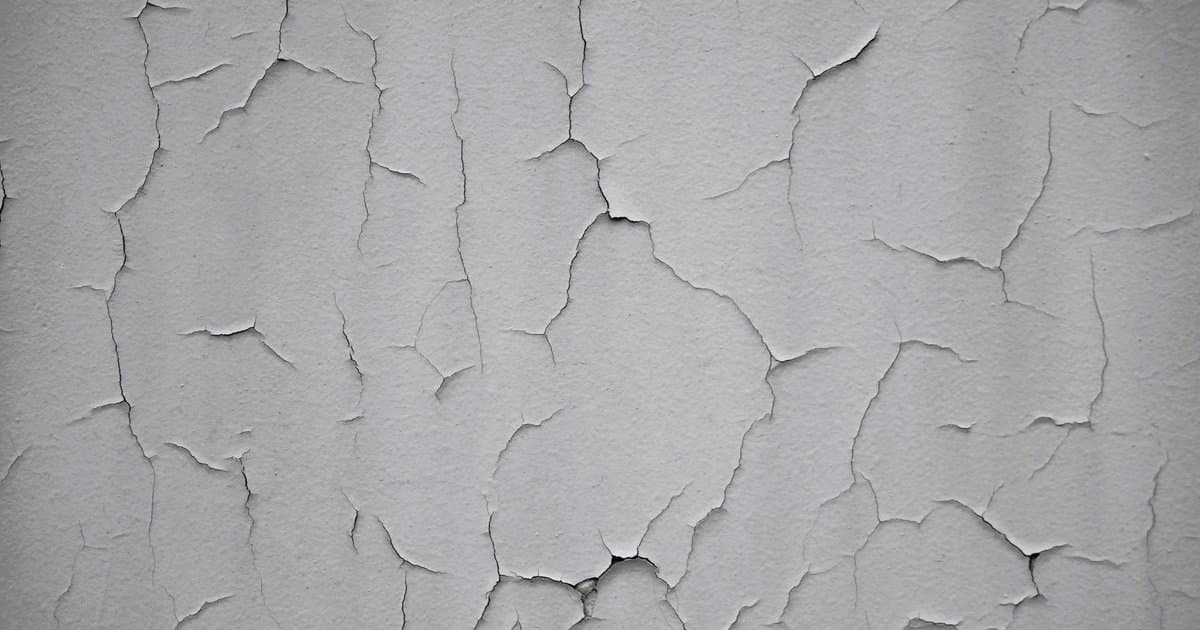
Then there is the part of the house you almost never see, which is where the worst surprises live. The foundation, the crawl space, and the area behind the walls hold the failures that cost the most to repair. A cracked foundation, a failing support beam, or standing water under the floor can quietly run into five figures and sometimes more. None of it shows up during a cheerful afternoon walkthrough with the listing agent. An inspector knows where to shine a light and what a hairline crack actually means. Without that, you are buying the visible house and gambling on the one you cannot see.
The systems inside the house carry their own buried costs, and they fail on their own schedule. A heating and cooling system at the end of its life can need full replacement within a year of your move, and that is several thousand dollars on its own. Old electrical panels can be unsafe and uninsurable, which turns a hidden flaw into a problem your insurer forces you to fix. Aging plumbing can hide slow leaks that rot the structure long before you notice a drip. These are not cosmetic items you can put off, because they affect whether the house is safe to live in. An inspection puts a number and a timeline on each one before you commit.
Understand what waiving the contingency really removes, because it is more than the report. The inspection contingency is your legal right to walk away or renegotiate based on what is found. When you waive it, you are not just skipping a chance to learn, you are giving up your exit. If a serious defect turns up after closing, you have almost no recourse against the seller in most situations. You bought the house as it was, flaws and all, and the law generally treats that as a decision you made with open eyes. The contingency was never about the paperwork, it was about your ability to change your mind.
There are ways to stay competitive without flying blind, and smart buyers use them. You can ask for a pre offer inspection, where the inspector walks the home before you write the offer, so your bid already reflects what you learned. You can keep an inspection but agree to accept the home unless something major appears, which protects you from disasters while still signaling seriousness to the seller. You can shorten the inspection window rather than remove it, which keeps the deal moving without handing over your protection. Each of these keeps your offer attractive while leaving you a door to walk through. Winning the house means nothing if the house quietly takes everything you saved.
The math that matters is simple once you lay it out. An inspection costs a few hundred dollars and can reveal repairs worth fifty or a hundred times that amount. Waiving it might shave a small edge onto your offer in a crowded market. Weigh the size of that edge against the size of what you could inherit, because the gap is enormous. A house is the largest purchase most people ever make, and it is the worst possible place to buy without looking. The strongest offer is not the one that gives up the most, it is the one that protects you while still getting the deal done.