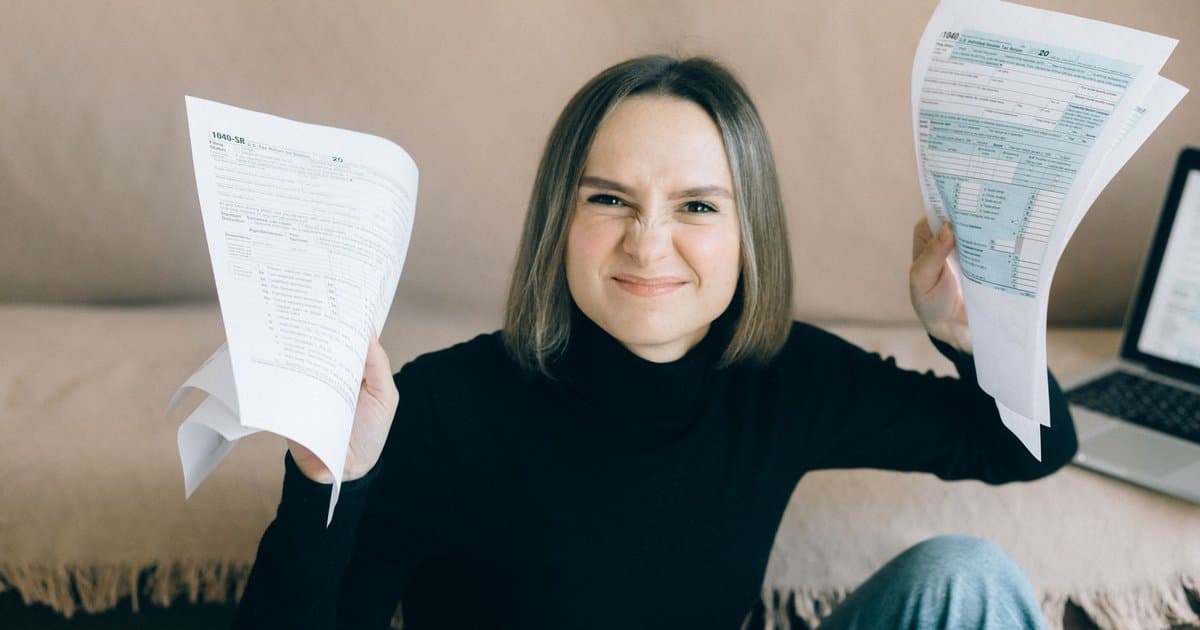
Here is a hard truth that catches new business owners off guard. A business can be profitable on paper and still go broke. Profit and cash are not the same thing, and confusing the two has sunk more small companies than any competitor ever did. Profit is what is left after you subtract expenses from sales over a period of time. Cash is what is actually in your account on a given day to pay the bills that are due. You can have a year that shows a healthy profit and still hit a week where you cannot make payroll, because the money you earned has not landed yet while the money you owe is already due. That gap is where businesses quietly die.
The tool that prevents this is a cash flow forecast, and it is far simpler than the name suggests. At its core it is a running estimate of the money coming in and the money going out over the next few weeks and months. You list when you actually expect customers to pay you, not when you sent the invoice, because those are often very different dates. Then you list every dollar going out, including the irregular ones people forget, like quarterly taxes, annual software renewals, and that insurance bill that only shows up twice a year. Lay them on a simple timeline and you can see, week by week, whether your balance stays above zero. The forecast turns a vague sense of unease into a clear picture you can actually act on.
Skip this and you are flying blind, making decisions based on the balance in your account today with no idea what next month looks like. That is how owners get blindsided. The account looks healthy in early March, so they hire someone or buy equipment, not realizing that a big tax payment and two slow invoices are about to collide in April. By the time the crunch arrives, the easy options are gone. They are stuck scrambling for an emergency loan at a brutal rate, delaying payments to people they depend on, or putting expenses on a credit card and paying interest on their own survival. None of that was necessary. The collision was visible weeks earlier to anyone who had looked ahead.
A forecast also changes how you handle the good times, not just the scary ones. When you can see a strong stretch coming, you can plan around it on purpose instead of reacting. You might set aside cash for the slow season you know follows your busy one, or time a major purchase for the month your runway is deepest. You can spot that a single client makes up a dangerous share of your incoming cash and start diversifying before that client leaves. You can decide whether you can truly afford to hire, with real numbers instead of hope. The forecast does not just keep you out of trouble. It gives you the confidence to move when moving is actually the right call.
The mistake people make is thinking a forecast has to be complicated or that they need accounting software and a finance background to build one. You do not. A basic version is a spreadsheet with weeks across the top and a few rows for cash in, cash out, and running balance. Spend an hour building it, then update it once a week, which takes maybe fifteen minutes once it exists. The point is not perfect accuracy, because you will guess wrong sometimes and that is fine. The point is having a forward looking view at all, so surprises become rare and the ones that do happen are smaller. A rough forecast beats no forecast every single time.
If you run anything, even a side business, build one this week before you need it. The whole exercise costs you an hour and a little honesty about when money really arrives and leaves. In return you get the one thing that separates owners who sleep at night from those who lurch from crisis to crisis. Running out of cash is one of the most common reasons small businesses fail, and it is also one of the most preventable. You cannot steer around a wall you never saw coming. A simple cash flow forecast is how you finally see the road ahead.