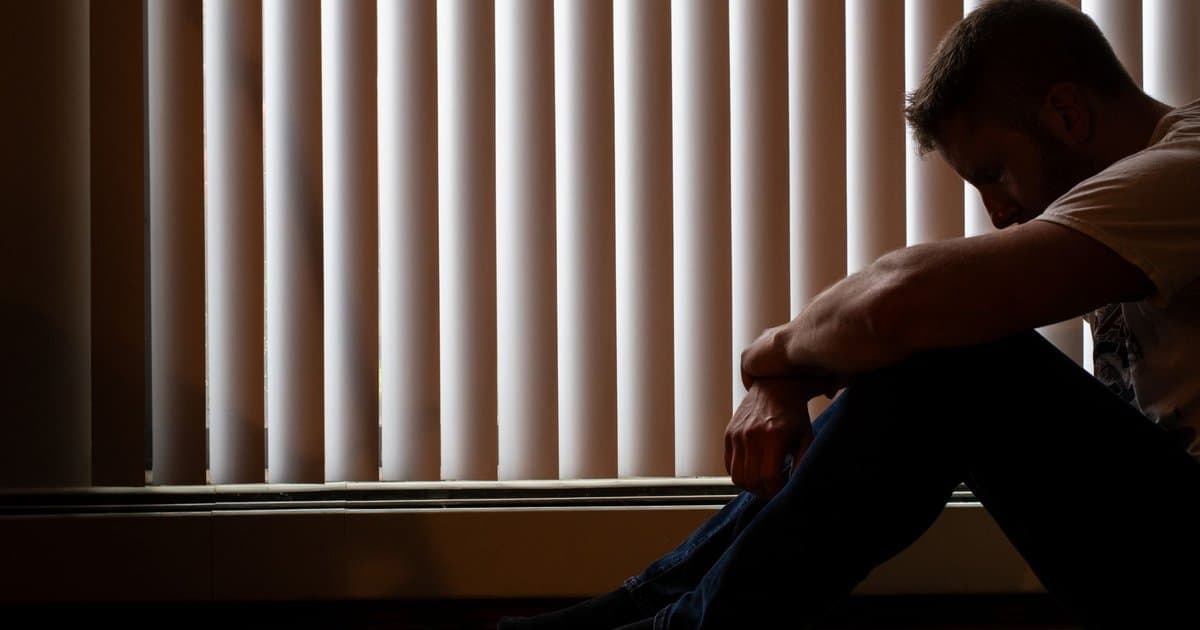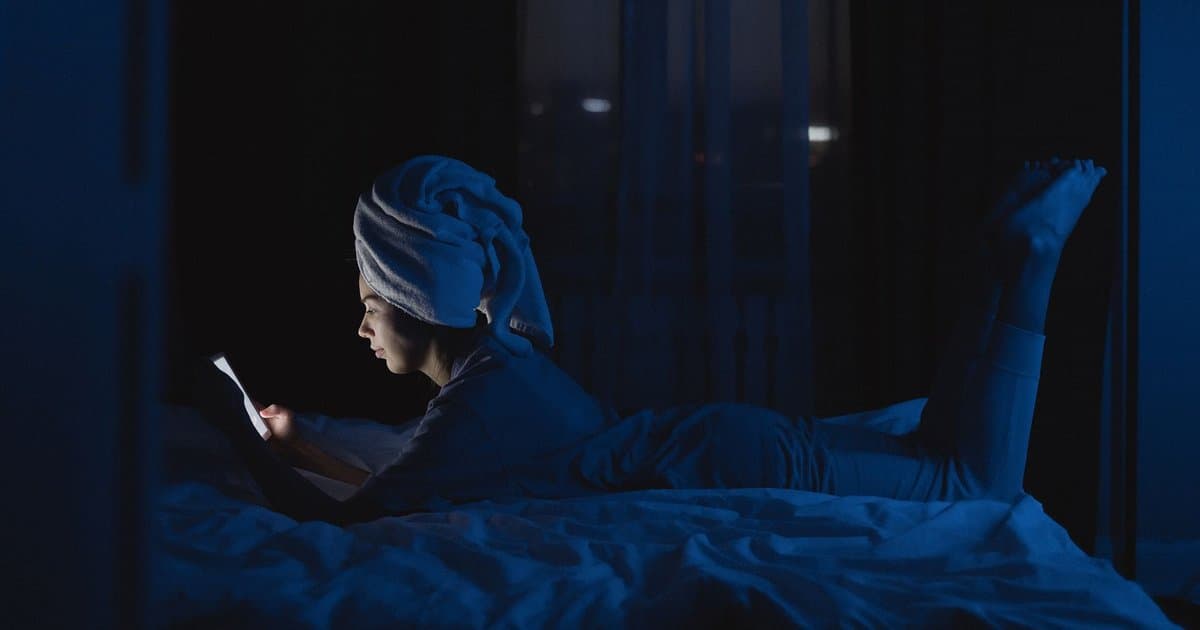
You know you should be asleep. It is well past midnight, your alarm is set for early, and yet there you are, scrolling your phone or watching one more episode. You are tired, but you keep going anyway, almost on purpose. There is a name for this habit now, and it captures the feeling well: revenge bedtime procrastination. The idea is that after a day with no time for yourself, you take that time back at night, even though it costs you sleep. It feels like a small act of freedom, and it quietly works against you.
Revenge bedtime procrastination is the choice to delay sleep to get personal time you missed during the day. The word revenge points to the emotion underneath it. You feel like the day stole your hours, so you refuse to give up the night too. The behavior is not about being unable to sleep, which is what insomnia usually means. It is about being unwilling to stop the evening, because the evening is the only piece of the day that feels like yours. That distinction matters, because the fix is different from the fix for ordinary sleep trouble.
This pattern shows up most in people whose days are packed and controlled by others. Parents of young children know it well, since the only quiet often arrives after everyone else is down. People working long or demanding jobs feel it too, along with caregivers and students. The common thread is a day with little personal freedom and a strong wish to claim some back. When the whole day belongs to work, family, and duty, the late hours become the only space left. The busier and more boxed-in the day, the stronger the pull to stay awake.
The device in your hand is built to keep you in exactly this loop. Apps are designed to hold your attention, with endless feeds and a next episode that starts on its own. There is no natural stopping point, so the minutes stretch into hours without you deciding to continue. The bright screen also signals your brain to stay alert, which pushes real sleepiness further away. What began as a small reward turns into a long stretch of low-value scrolling. The tool you reached for to relax ends up stealing the rest you needed.
The price of this habit is not just feeling groggy the next morning. Steady sleep loss adds up and touches nearly every part of how you function. Your focus slips, your patience wears thin, and small problems start to feel bigger than they are. Over time, short sleep is linked to weaker mood, higher stress, and greater risk to your physical health. There is a cruel twist here as well. The tiredness you carry the next day makes that day feel even more draining, which feeds the urge to stay up again the following night.
Telling yourself to just go to bed earlier rarely works, and that is not a personal failure. The habit is driven by a real unmet need for time that belongs to you. If you cut off the late night without replacing that need somewhere else, the pull only grows. Shame tends to make it worse, since feeling bad about it adds stress that you then want to escape at night. The way out is not to scold yourself into obedience. It is to give the underlying need a healthier place to live during your actual day.
Start by finding small pockets of personal time earlier, so the night is not your only refuge. Even fifteen minutes at lunch or a short walk after work can take pressure off the evening. Set a gentle wind-down routine and a rough time to put screens away, then keep the phone out of reach of the bed. Trade the endless feed for something with a built-in ending, like a chapter of a book or a single short show. Make your evening reward real but bounded, so it soothes you instead of swallowing your night. Small, kind limits work far better than a hard crackdown you cannot keep.
Revenge bedtime procrastination is not laziness, and it is not a lack of discipline. It is a signal that your days are not leaving room for you, and your nights are paying the bill. The habit makes sense as a response, which is exactly why it is so hard to break by force. The lasting answer is to build a little freedom into the daylight hours so the night can be for rest. Protect your sleep, because it protects everything else you care about. You deserve time that is yours, and you can find it without borrowing it from tomorrow.