A lot of believers carry quiet guilt about missing their morning quiet time. They feel like they fell behind God, that their week is off, that real Christians wake up early and spend thirty silent minutes with a journal and a coffee. The pattern feels old because it sits inside a phrase the church uses constantly. It is not old. The daily personal quiet time as it gets practiced in most American evangelical churches is a 20th century invention, popularized largely through campus ministries like InterVarsity and the Navigators in the 1950s and 1960s. The church before that prayed and read scripture in different rhythms, most of which were not solo and most of which were not daily in the way the term is now used.
For most of the first 1500 years of the church, daily prayer was structured around the hours. The Liturgy of the Hours, also called the Divine Office, broke the day into seven prayer times. Lauds at dawn. Terce mid-morning. Sext at noon. None mid-afternoon. Vespers at sunset. Compline before bed. Vigils overnight. Most lay Christians prayed at least three of these moments alongside whatever else they were doing, and the prayers themselves were psalms, not the introspective journaling that defines the modern quiet time. The practice was communal, repetitive, and brief. It did not require thirty minutes of silence. It required showing up at the right moment with a known text.
The Reformation shifted the picture but did not produce a daily quiet time. Luther emphasized reading scripture in the family setting and using the catechism. Calvin built liturgical patterns around Sunday gathering and household prayer. The Puritans developed the practice of weekly Sabbath observance with deeper reflection, but their daily devotions were typically family-led, brief, and oriented around scripture reading and prayer in groups of two or three rather than alone. The idea that an individual believer should sequester thirty minutes alone every morning with a journal and a study Bible would have struck them as both impractical and possibly self-centered. Prayer was always something the body did together.
The modern quiet time has roots in the holiness movement of the late 19th century, where personal sanctification became a primary spiritual goal, and was systematized in the 20th century by student ministries trying to give college believers a practice they could maintain alone in a dorm room. The framing was useful for the demographic. It also slowly became the default expectation for all Christians regardless of life stage, household structure, or season. The result is a generation of believers who feel spiritually inadequate when they miss two mornings in a row, even though the practice they are measuring themselves against has only been around for sixty years.
The alternative is not to abandon scripture or prayer. It is to recover practices the church has used for centuries that do not require thirty silent solo minutes daily. Praying the hours, even three of them, takes about twelve minutes total spread across the day and uses prewritten psalms and prayers. Lectio Divina with a passage of scripture takes fifteen minutes and works equally well alone or with a spouse. Family prayer at meals or before bed has been the dominant Christian practice for most of church history. Weekly Sabbath observance with extended reading and reflection covers more ground than a rushed daily morning ever does. None of these require a journal, a study Bible, or a coffee shop.
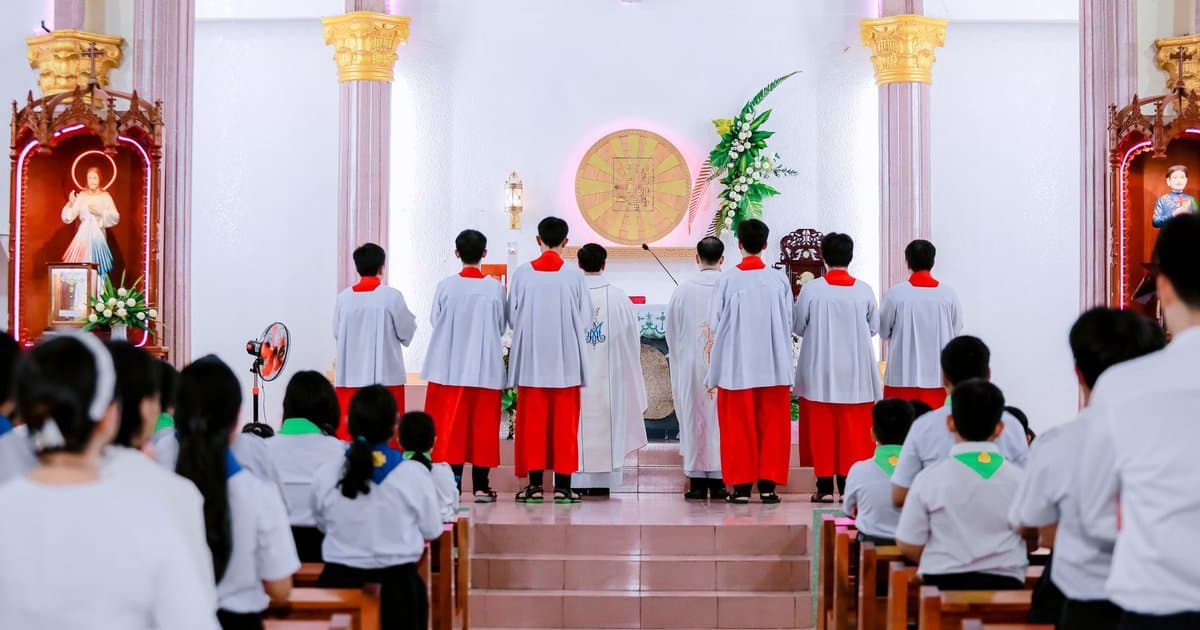
The deeper issue is the way the daily quiet time framework treats spiritual life as individual progress against a checklist. The church fathers and Reformers would have said the inner life is shaped by the body, not the other way around. Showing up for communal worship on Sunday, praying with your spouse at night, reading scripture with your kids, observing the church calendar across the year. These rhythms form a Christian over a decade in ways thirty solo minutes never will, even when those minutes are consistent. The metric the modern church inherited from student ministries is too small for the actual work.
If your quiet time has been working, keep it. The point is not to dismantle a practice that bears fruit for you. The point is to stop carrying false guilt when life makes that one form impossible. A new parent does not have thirty silent morning minutes for the next five years. A nurse on night shift does not have a morning at all. A married couple with three small children has a different rhythm than a college student in a dorm. The church has language and practices for all of those seasons and most of them are older and more durable than the format that became default. Find the rhythm that fits the life God has placed you in and stop measuring yourself against a 60 year old expectation.