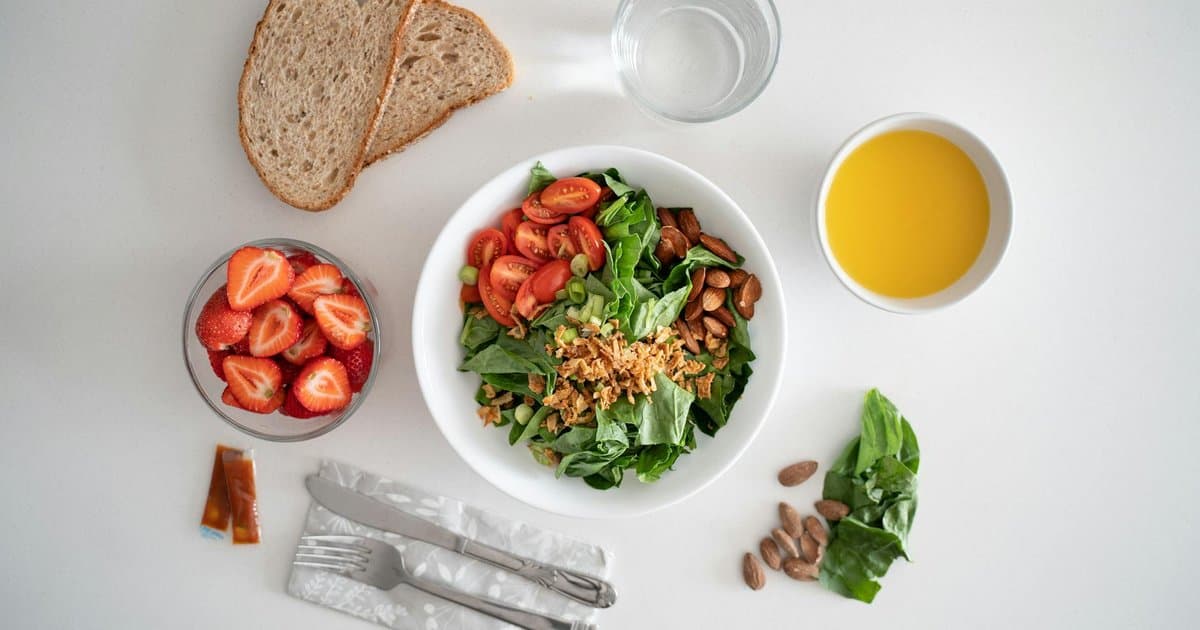
There is a nutrient most people barely think about, and almost nobody gets enough of it. National diet surveys keep landing on the same number, and it is a hard one to ignore. Only about five percent of adults meet the recommended daily intake of fiber. That means ninety five out of a hundred people are walking around short on something their body uses every single day. It is not a trendy supplement or a rare mineral. It is fiber, and the gap between what we should eat and what we actually eat is wide.
The official targets are not extreme, which makes the shortfall more striking. Most guidelines put the goal at roughly twenty five grams a day for women and thirty eight grams a day for men. A simpler way to remember it is about fourteen grams for every thousand calories you eat. The average adult takes in somewhere around fifteen grams total, which is less than half of what the body needs. The shortfall is not because fiber is hard to find. It is because most of what fills the modern plate has been stripped of it long before it reaches the table.
Fiber does more than keep digestion moving, though that alone matters. Soluble fiber slows how fast sugar enters the bloodstream, which steadies energy and helps blood sugar stay in a healthier range. It binds to cholesterol and helps carry some of it out of the body, which supports the heart over time. It feeds the bacteria in the gut that produce compounds tied to lower inflammation. It also fills you up, so meals built around fiber leave you satisfied on fewer calories. Long term studies link higher fiber intake with lower rates of heart disease, type two diabetes, and certain cancers.
The reason most diets fall short comes down to what gets eaten and what gets skipped. White bread, white rice, and most packaged snacks have had the fibrous parts removed during processing. Meat, cheese, eggs, and oils contain no fiber at all, and they make up a large share of many plates. Meanwhile the foods loaded with it, beans, lentils, oats, fruits, vegetables, nuts, and whole grains, often get pushed to the side. A meal can feel large and filling and still deliver almost no fiber. That is how someone eats plenty of food and still ends the day far below the target.
Closing the gap is simpler than most people expect, and it does not mean a full diet overhaul. Add a half cup of beans or lentils to a meal and you gain seven or eight grams in one move. Swap white rice for brown, or white bread for a true whole grain, and the numbers climb. Keep the skin on apples and potatoes, since much of the fiber lives there. Reach for a piece of fruit or a handful of nuts instead of a processed snack. A single bowl of oats with berries in the morning can cover a third of the day before lunch.
One caution matters here, because going too fast causes its own trouble. If your current intake is low, jumping straight to the full target can leave you bloated and uncomfortable. The fix is to build up over a couple of weeks rather than overnight. Add a few grams at a time and let your system adjust to the change. Drink more water as you do, because fiber works best when there is enough fluid to move it along. Done gradually, the body adapts and the early discomfort fades into the background.
It also helps to know where fiber is not, so you stop expecting it from the wrong places. A supplement can fill a small gap, but it does not carry the vitamins and minerals that whole foods bring along with it. Juicing strips out much of the fiber that makes fruit worth eating in the first place. A label that shouts about whole grain can still hold very little if the grain was heavily refined. The most reliable sources are the plainest ones, the beans, the oats, and the fruit eaten whole. When in doubt, choose the food that looks closest to how it grew. That single habit will move your daily total in the right direction.
The encouraging part is how quickly the benefits begin to show. Within a week or two of eating more fiber, many people notice steadier energy and less afternoon crashing. Digestion tends to become more regular and predictable, which is its own quiet relief. Hunger between meals often eases, which makes eating well feel less like a fight. The long term payoff for the heart and metabolism builds quietly underneath all of that. For a change this small, the return is hard to beat. It is one of the rare cases where doing the simple thing actually moves the needle.