Most people believe credit card interest only touches the balance they carry over. You spend, you pay part of it, and you assume the leftover is the only thing charged. That belief is costing millions of people money they never notice leaving their pocket. The truth is that a credit card gives you an interest-free window called a grace period, and that window has a switch attached to it. The moment you carry a balance from one month into the next, the switch flips off. What most cardholders never learn is how much that single flip changes the math on every purchase that follows.
Here is how the grace period actually works when you use it right. Your card runs on a monthly cycle that ends on a statement closing date. After that date closes, you get a set number of days, usually between 21 and 25, before the payment is due. If you pay the full statement balance by that due date, you are charged zero interest on your purchases. That is the grace period, and it is the reason a credit card can be free to use. Pay in full every cycle and the bank never earns a cent of interest from your everyday spending.
Now watch what happens the first time you only pay part of the bill. The second you carry a balance into the next month, the grace period disappears. New purchases no longer wait for a due date to start charging interest. They begin accruing from the day the transaction posts, sometimes from the day you swipe. So the coffee you bought this morning is already growing interest before your statement even closes. That is the part nobody explains to you when they hand over the card.
It gets one layer deeper with something called trailing interest, or residual interest. Say you finally pay off what your statement showed. You might still get charged interest the next month for the days between when the statement closed and when your payment landed. People see that small charge, assume it is a mistake, and pay it without asking a single question. It is not a mistake. It is the interest that built up while the grace period was still switched off, and it can keep the whole cycle alive longer than you expect.
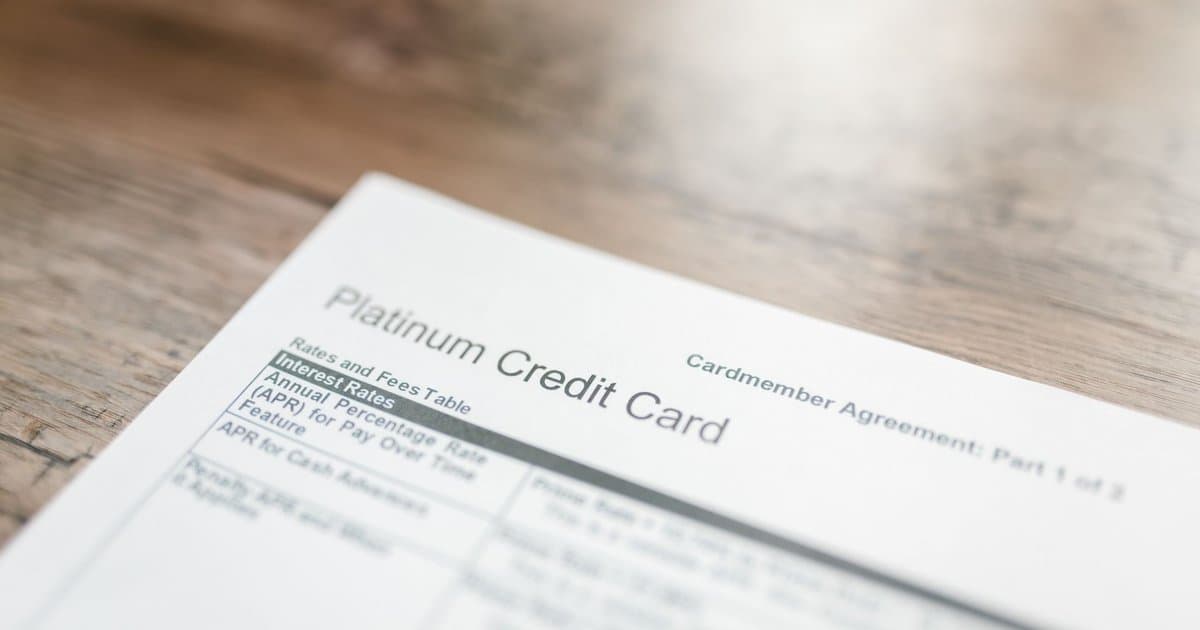
Getting the grace period back takes more than one good payment. Most card agreements require you to pay your balance in full for one or two consecutive cycles before the interest-free window returns. So a single month of carrying debt can mean two or three months of paying interest on everything you buy, even purchases you could easily afford to cover. The bank is not required to warn you about this, and the terms sit buried in the cardholder agreement most people never open. That gap between what you signed and what you understood is exactly where the cost hides.
Put real numbers on it and the picture sharpens fast. Imagine you carry a small balance of 300 dollars and keep spending about 1,000 dollars a month on the card. With the grace period gone, that full 1,000 is now exposed to interest, not just the 300 you owed. At a common rate near 24 percent, you can pay interest on money you had the cash to cover the whole time. You did not overspend and you did not miss a payment. You just tripped a switch you did not know existed, and the card kept charging until you flipped it back.
The fix is simple once you can see the trap clearly. Try to pay your statement balance in full, not the minimum and not some random amount, because full payment is what protects the window. If you already carry a balance, stop putting new purchases on that card and use cash or debit until it is cleared. Then pay in full for two straight cycles to reset the grace period before you trust the card again. None of this requires a budgeting app or a finance degree. It just requires knowing the one rule that the people who profit from it would rather you never learn.