The standard explanation for the struggle of movie theaters is streaming. People have giant televisions and subscriptions to half a dozen services, so why would they pay for a ticket, a parking spot, and overpriced popcorn. It is a clean story and it is partly true, but it misses the bigger force at work. Streaming changed how people watch, yet plenty of films still pull enormous crowds when they arrive. The theaters that are empty are usually empty because there is nothing in them worth leaving the house for. The problem is less about the couch and more about the slate.
Consider what actually fills theaters now. The films that draw real crowds are events, the kind of movie that loses something on a small screen and gains something in a packed room. A huge spectacle, a horror movie that is better when you can hear a hundred people gasp, a long-awaited sequel that fans want to see opening weekend so nobody spoils it. These still work, and they work well. Audiences did not stop being willing to go out. They stopped being given enough reasons to. The mid-budget drama and the modest comedy, once the steady backbone of a theater's calendar, largely vanished from the big screen.
That disappearance is the part the streaming story glosses over. For decades, the films between the blockbuster and the tiny indie were the ones that kept theaters busy on an ordinary Tuesday. Studios made a lot of them, they were cheaper to produce, and a good one could earn back many times its cost. Over the past decade those films migrated to streaming services, which were happy to fund them as a way to keep subscribers paying every month. So the movies did not stop being made. They just stopped showing up in theaters, because the people financing them no longer needed a box office to make their money back.
This matters because it reframes the whole conversation. If the issue were simply that people prefer their couches, then nothing playing in theaters would do well, and that is plainly false. The biggest releases routinely break records. What collapsed is the middle of the menu, and a menu with only two extremes cannot sustain a habit. You cannot build a regular moviegoing routine around four or five giant releases a year. The casual trip to see whatever is playing, the date night built on a decent drama you had not planned around, those evaporated because the films that supported them moved to a different pipeline entirely.
There is a hopeful angle hiding in this, though. If the real problem is the slate rather than the audience, then the fix is within reach. A studio that decides to put more mid-budget films back in theaters, and markets them as worth the trip, can rebuild the habit that streaming quietly absorbed. There are already signs of this. Smaller films that get a genuine theatrical push, with real marketing and a window before they hit a service, have surprised people by performing well. The willingness to go out is still there. It just needs something to go out for, on more than a handful of weekends.
There is a second force worth naming alongside the streaming migration. Studios increasingly bet their theatrical budgets on franchises and known properties, because a familiar title lowers the risk on an expensive release. That made sense on a spreadsheet, but it crowded the calendar with sequels and spinoffs while squeezing out the original, modest films that gave people variety. When every big theatrical slot goes to the safest possible bet, the result is a lineup that feels the same month after month. Audiences notice sameness even when they cannot articulate it, and sameness is its own reason to stay home. So the thinning of the middle came from two directions at once, with mid-budget films leaving for streaming and franchise logic claiming the slots that remained. Together those shifts hollowed out the part of the schedule that once made moviegoing a regular habit rather than an occasional event.
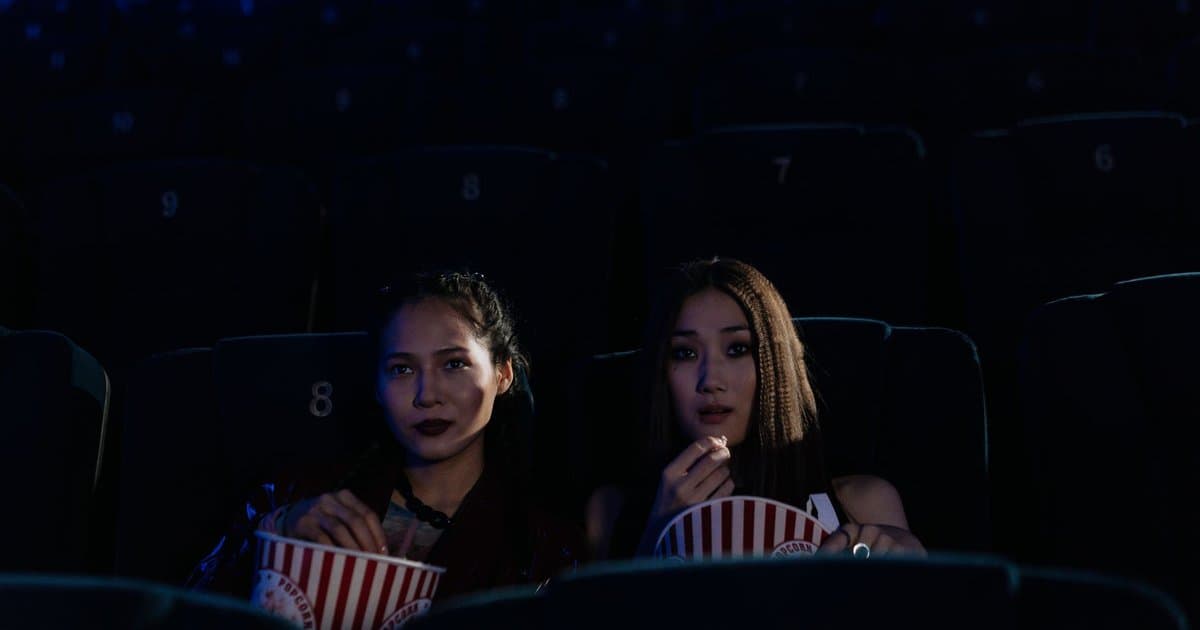
So the next time someone says streaming killed the movie theater, it is worth pushing back gently. Streaming changed the economics of the middle, and the middle is what theaters lived on. The audience did not abandon the experience of seeing a film with strangers in the dark. The supply of films built for that experience got thinner, and people responded rationally by staying home more often. Fix the supply, and a lot of the demand comes back. The death of the theater has been declared many times, and each time it turned out the building was fine. It was the lineup that needed the attention.