Every athlete has heard that the path to getting better is putting in more hours, so they grind out longer sessions and assume the work will pay off. It usually does not, at least not the way they expect, and plenty of people plateau for years despite practicing constantly. The uncomfortable truth is that time on its own is a weak predictor of improvement. You can shoot a thousand free throws a day and stay exactly the same if you shoot them the same wrong way each time. Practice does not make perfect, it makes permanent, and repeating a mistake just carves it deeper. The athletes who actually improve are not the ones who practice the most, they are the ones who practice the right way.
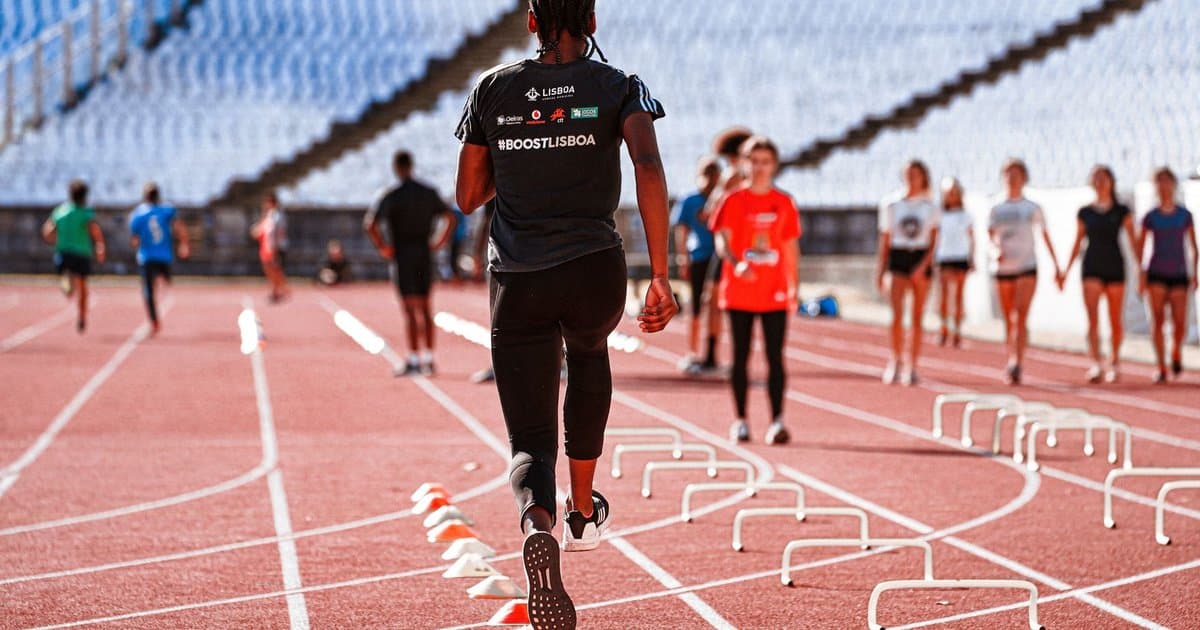
The difference has a name, and researchers call it deliberate practice. It is not just showing up and running through your usual routine, it is focused work aimed squarely at the thing you are worst at. Most people do the opposite without realizing it, because they spend their practice time on the parts they already enjoy and perform well. A shooter shoots, a runner runs their comfortable pace, and the weak spots never get touched. Deliberate practice means deliberately seeking out your weaknesses and drilling them even though that feels worse than doing what you are good at. It is slower, more frustrating, and far more effective than another comfortable hour.
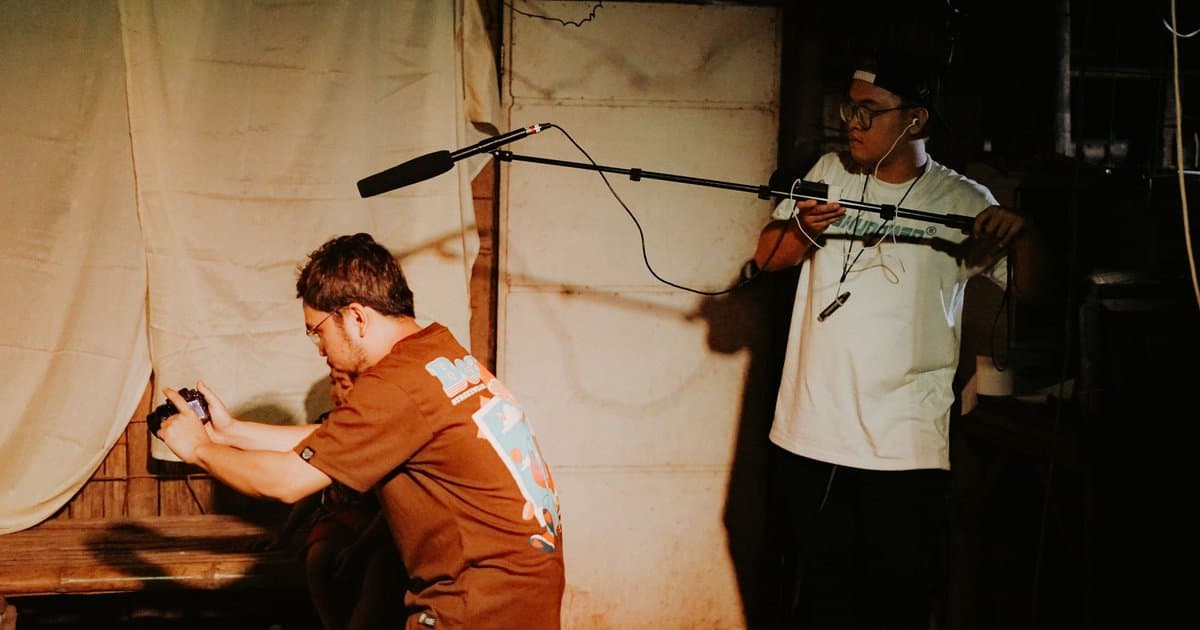
Feedback is the second piece that separates real practice from wasted reps. If you cannot see what you are doing wrong, you cannot fix it, and repetition alone will not reveal the flaw. This is why filming yourself, working with a coach, or measuring results changes everything. A jumper who feels fine but lands off balance will never know until someone or something shows them. The best practice creates a tight loop, you try something, you get immediate feedback, you adjust, and you try again. Without that loop you are just rehearsing whatever habit you already have, good or bad. More reps without feedback simply make a flawed motion more automatic.
There is also a limit to how much focused work you can actually do, and this is where the more is better belief really breaks down. Deliberate practice is mentally demanding because it requires full attention on the hard parts. Most people can only sustain that kind of focus for a few hours at most before quality drops off a cliff. Past that point you are not building skill, you are just adding fatigue and grooving sloppy reps performed by a tired body and a drifting mind. This is why a short, sharp, fully focused session often beats a long, distracted one. The athlete who practices ninety intense minutes with a clear target usually outpaces the one who drifts through three.
Rest belongs in this conversation too, because the body adapts when it recovers, not while it is being worked. Skill and strength both consolidate during rest, which means stacking endless hours without recovery actively works against you. Overtraining leads to injury, burnout, and a strange kind of decline where you practice harder and get worse. The contrarian point is not that effort does not matter, it clearly does, it is that effort poured into the wrong container leaks out. Smart athletes treat their attention and their recovery as limited resources to spend wisely. They protect the quality of their best hours instead of chasing the quantity of all of them.
So if you feel stuck despite putting in the time, the answer is probably not more time. Look at how you practice, not how long. Pick the one thing you are worst at and aim your sessions directly at it. Build a way to get honest feedback, whether from a camera, a coach, or a measurement you cannot argue with. Keep your focused work intense and short enough to stay sharp, and respect rest as part of the plan rather than a sign of weakness. Improvement comes from the quality of attention you bring, not the hours you survive. Train smarter and the results will outpace anyone simply training longer.