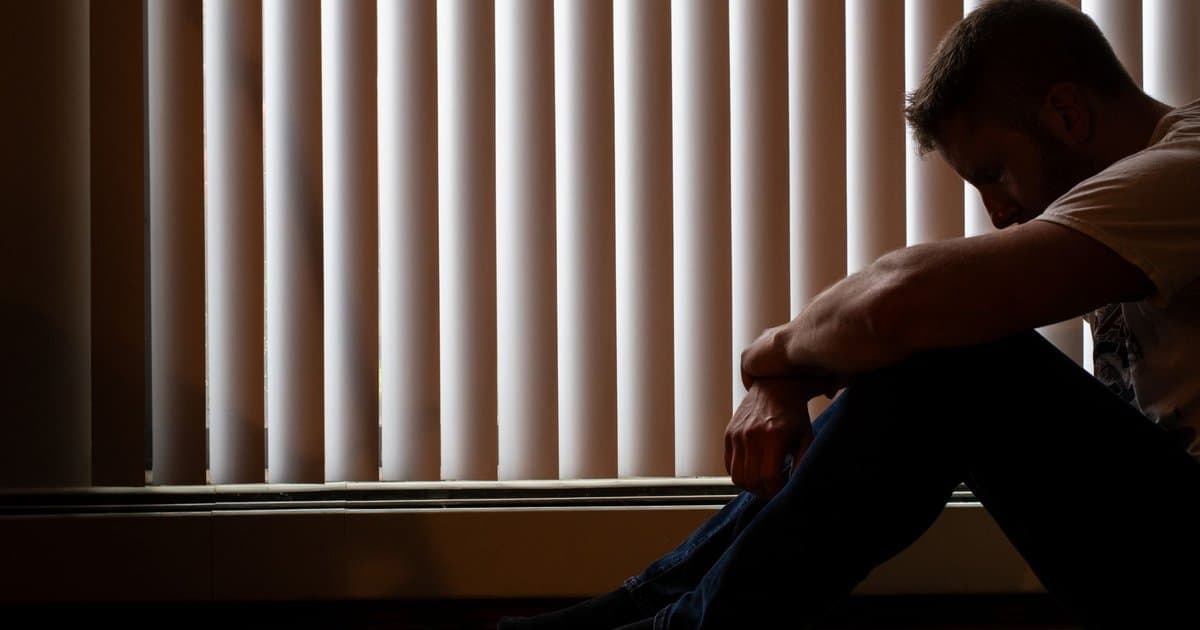
Imagine a habit that raised your risk of dying early about as much as smoking nearly a pack of cigarettes a day. You would drop it in a heartbeat. You would warn your friends about it and read every article you could find on how to quit. Now imagine that habit is not smoking or drinking or skipping the gym. It is being lonely. A large body of research has found that a lack of real social connection carries a health risk on the same scale as some of the worst things we do to our bodies, and most people have no idea.
The clearest evidence came from a major review published in 2010. Researchers combined 148 separate studies covering more than 300,000 people and tracked how their relationships related to how long they lived. People with strong social ties were about 50 percent more likely to still be alive at follow up than those with weak ones. The size of that effect genuinely stunned the researchers themselves. Weak social connection turned out to rival smoking 15 cigarettes a day as a predictor of early death. It also outranked the risks tied to obesity and to never exercising.
It helps to be clear about what loneliness actually is. Loneliness is not the same thing as being alone. Being alone is a physical fact, the simple count of how many people happen to be around you. Loneliness is a feeling, the painful gap between the connection you want and the connection you actually have. That is why a person can feel deeply lonely in a crowded room or a full household, and why someone who lives alone can feel perfectly content. The health risk tracks the feeling, not the head count, which is a big part of what makes it so easy to overlook.
The harm is not just in your mood. Chronic loneliness keeps the body's stress response switched on far longer than it was ever built for. That means higher levels of stress hormones, more inflammation, worse sleep, and raised blood pressure over time. Each of those quietly wears on the heart and the brain in ways doctors can measure. The body seems to read prolonged social disconnection as a kind of threat, and it responds the way it would to any lasting danger. Run that stress system too long without a break, and the damage starts to add up.
The downstream numbers are sobering. Research links chronic loneliness to a meaningfully higher risk of heart disease and stroke. In older adults, it is tied to a sharply increased risk of dementia later in life. It raises the odds of depression and anxiety, which then feed back into the isolation and deepen it further. A national health advisory in 2023 went so far as to call loneliness a public health crisis, on the level of an epidemic. That is strong language coming from careful people, and the data behind it earns the alarm.
This is not a problem for just one type of person. Surveys find high rates of loneliness among the very old and the very young at the very same time. New parents report it, cut off from adult contact in a fog of feedings and short nights. People who move for work feel it in a new city where they know almost no one. Remote workers feel it staring at a screen alone all day. Even people surrounded by family can feel it if the connection there has quietly gone thin. Loneliness does not check your age, your income, or how full your calendar looks.
The encouraging part is that the fix does not require some full social overhaul. The research points to quality over quantity nearly every time. A few close, honest relationships protect your health more than a wide circle of shallow ones. Small, steady contact matters more than big grand gestures. A standing phone call with one friend, a regular meal with a neighbor, a text you actually mean, these things add up. Reaching out first is genuinely hard when you already feel low, and it is almost always worth doing anyway. Connection is a skill, and like any skill it rebuilds with a little practice.
The point of naming all this is not to scare anyone. It is to give loneliness the weight it truly deserves. We treat diet and exercise as pillars of health, and we schedule checkups without a second thought. The strength of our relationships belongs in that same conversation, because the body clearly treats it that way. If you have been feeling disconnected lately, take it as seriously as you would any other warning sign, and take one small step toward someone. It is one of the few health risks where the treatment also happens to be one of the best parts of being alive.