One in five people in Lebanon has been displaced from their home. That is 1.2 million people out of a country of 5.9 million. The displacement happened over the course of roughly one month, driven by Israeli military operations that expanded significantly after the broader Iran conflict escalated in March. And while the ceasefire between the United States and Iran dominates international headlines, the humanitarian catastrophe unfolding in Lebanon is receiving a fraction of the attention it demands.
The numbers alone tell a devastating story. According to the latest reports from international humanitarian organizations, 20 percent of Lebanon's entire population is now internally displaced. These are not refugees crossing borders. These are Lebanese families moving from southern Lebanon to Beirut, from the Bekaa Valley to northern towns, from coastal cities to mountain villages. They are sleeping in schools, in parking garages, in relatives' living rooms. Many of them left with nothing. No documents. No savings. No plan. Just the immediate need to get away from the bombing.
The displacement crisis comes on top of an economy that was already in collapse. Lebanon's financial system imploded in 2019 and never recovered. The currency lost more than 90 percent of its value. Banks froze deposits. The middle class evaporated. Infrastructure that was barely functioning before the conflict started is now damaged or destroyed. Hospitals that were already short-staffed and under-supplied are now overwhelmed with casualties while simultaneously losing the staff who have fled the violence. The health system was fragile before. It is now approaching total failure in the hardest-hit areas.
The humanitarian response has been slow and underfunded. International aid organizations have issued emergency appeals, but the funding gaps are significant. The attention of the international community is divided between the Iran ceasefire negotiations, the ongoing situation in Ukraine, and domestic political concerns in the United States and Europe. Lebanon, a small country with a complicated political history, does not generate the sustained media coverage or donor attention that larger conflicts attract. That is not a reflection of the severity of the crisis. It is a reflection of how the global humanitarian system prioritizes based on strategic interest rather than human need.
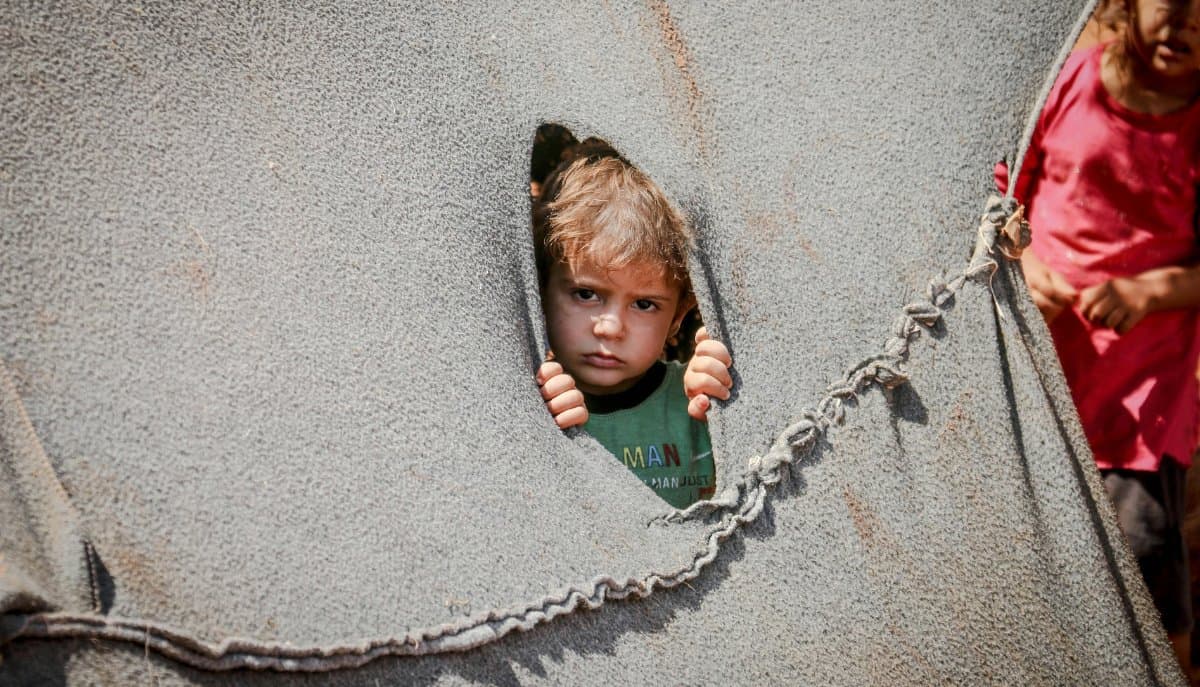
The impact on children has been particularly severe. Schools across southern Lebanon have been closed since the escalation began. Thousands of children have been pulled from their classrooms and relocated to unfamiliar cities with no educational infrastructure to receive them. The psychological toll on a generation of children who have now experienced displacement, violence, and the loss of everything familiar is something that will take years to fully understand. Humanitarian organizations working in Lebanon have reported significant increases in trauma symptoms among displaced children, including nightmares, regression, and withdrawal.
For the broader region, Lebanon's displacement crisis has implications that extend well beyond its borders. The country hosts approximately 1.5 million Syrian refugees who were already living in precarious conditions before this latest wave of violence. Those refugees are now displaced again, in some cases for the third or fourth time. The strain on host communities, which were already stretched thin, has created tension between displaced populations and the communities absorbing them. Access to food, clean water, and shelter has become a daily struggle in areas that were not designed to support double or triple their normal population.
The international legal framework that is supposed to protect civilian populations during armed conflict has provided little tangible protection for the people of Lebanon. Attacks on civilian infrastructure, including residential buildings, water systems, and transportation networks, have been documented by multiple international organizations. The pattern is consistent with what has been observed in other conflicts where the distinction between military and civilian targets becomes blurred in practice, regardless of what the rules of engagement say on paper.
What makes this situation particularly urgent is the speed at which it developed. One month ago, these communities were intact. People were going to work. Children were in school. Families were navigating the already difficult reality of life in a country with a broken economy. Now 1.2 million of them are displaced, many of them living in conditions that do not meet basic humanitarian standards. The transition from normalcy to catastrophe happened so quickly that the response infrastructure could not keep up.
The ceasefire between the United States and Iran, fragile as it is, offers a window of potential de-escalation. But even if the broader conflict subsides, the humanitarian crisis in Lebanon will not resolve quickly. Displaced families need months, sometimes years, to return to their homes, rebuild their lives, and recover from the trauma of displacement. The international community has a responsibility to fund that recovery, support the organizations doing the work on the ground, and hold accountable those responsible for the civilian toll. Whether it will meet that responsibility is a different question entirely.