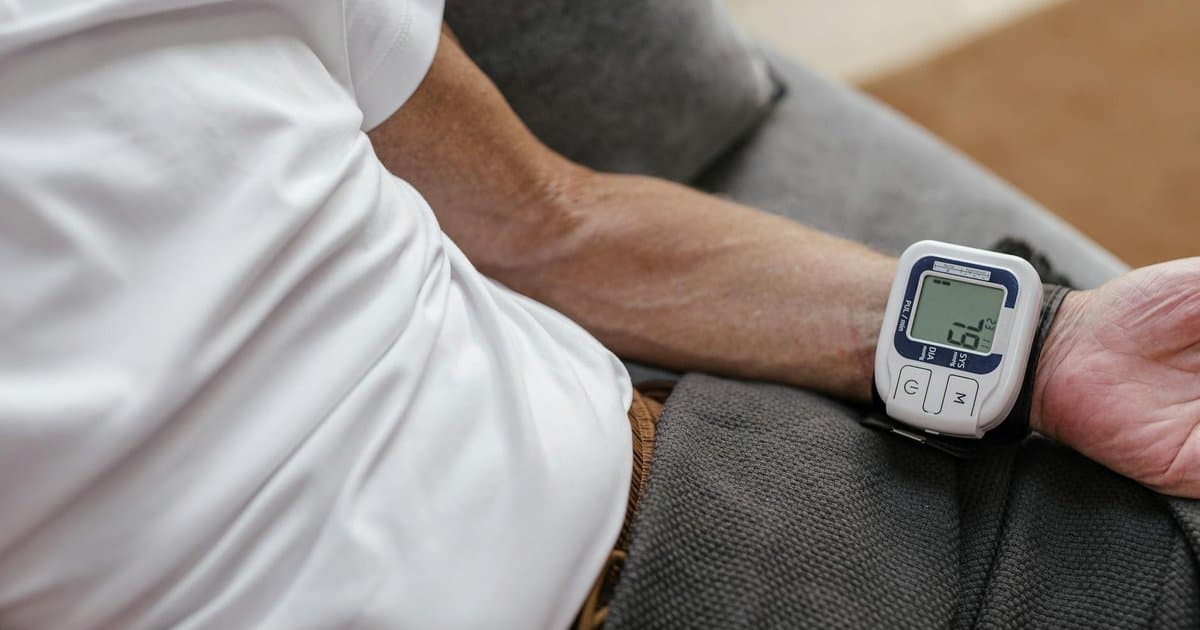
There is a long list of health metrics that get attention online, and most of them are noise for people under 50. Body composition, glucose spikes, micronutrient panels, and HRV trends all have a place, but two numbers carry more predictive weight than the rest of the list combined. Those numbers are resting heart rate and morning blood pressure. They are free to measure, take about 90 seconds a day, and are tracked by almost nobody under 40. The cardiologists who treat people in their 50s and 60s say the same thing in almost every interview. They wish their patients had paid attention to these two numbers 20 years earlier.
Resting heart rate, taken in the morning before standing up, is one of the cleanest signals of cardiovascular fitness available. The Copenhagen City Heart Study followed 2,798 men for 16 years and found that resting rates above 80 beats per minute were associated with a 51 percent higher all-cause mortality risk compared to rates below 65. A 2023 European Heart Journal meta-analysis of 1.2 million people found that every 10 beat increase above 65 raised cardiovascular mortality by 13 percent. The threshold most cardiologists use as a quiet alarm is 70. Below that you are usually fine. Above that, especially if it is climbing year over year, something is changing inside the system.
The number to watch is the trend, not the single reading. Take it the same way every morning for seven days. Within arm's reach of your bed, before standing, before coffee, before checking your phone. Average the seven days. Compare that average to the same week a year ago. A drift upward of 5 to 8 beats over 12 months is a signal worth investigating with a doctor even if your overall number is still inside a normal range.
Morning blood pressure is the second number, and the reading from a cuff at home is more useful than the reading at a clinic. The white coat effect inflates clinic readings by 7 to 12 mmHg on average. Buy a validated arm cuff for $50 to $90. Omron and Withings are the two most reliable brands at that price point. Take it sitting, both feet on the floor, arm at heart height, after five minutes of stillness. Take three readings two minutes apart and use the average of the second and third, then log it.
The American Heart Association threshold for stage one hypertension is 130 over 80. Most people do not realize they have crossed it because clinic visits are rare and home cuffs are rarer. The Framingham follow up data shows that adults whose 7 day morning average sits at 130 to 139 over 80 to 89 carry roughly double the 10 year cardiovascular event risk of adults below 120 over 75. That doubling is not a far future problem. It shows up in your 40s and 50s. Catching the drift in your 30s gives you a 20 year runway to reverse it through training, sleep, sodium intake, and weight.
The two numbers reinforce each other. A rising resting heart rate often shows up 6 to 18 months before blood pressure starts to climb. Catching the heart rate trend gives you a head start before the pressure follows. The reverse is also true. People with controlled blood pressure but a creeping morning heart rate are often heading into the same problem from a different direction. Tracking both gives you a fuller picture than tracking either one alone.
The cost of building this into your week is close to nothing. A wrist or finger reading takes 15 seconds before you stand up. The blood pressure cuff takes about 90 seconds once or twice a week. Log the seven day averages in a notes file or a free app. Most people who start tracking in their 30s catch a problem 5 to 10 years before it would have surfaced on a routine exam. The medicine for almost every cardiac problem is more useful when started early, which is exactly why these two numbers belong on the small list of things worth paying attention to.
The mistake most people make is waiting for symptoms. Cardiovascular disease is almost entirely silent until the day it is not. The numbers are the only early warning system available to a person who feels fine. Start measuring this week. Track for 90 days before you draw any conclusions. By the time you have a full quarter of data, you will know whether your body is asking for an adjustment, and the adjustments at that stage are still small enough to fit inside a normal life.