Most people think of muscle loss as an old person problem, something that happens far down the road when you are already slowing down. The truth is it starts much earlier and much quieter than that. Starting somewhere around age thirty, the average adult loses between three and eight percent of their muscle mass every single decade. You do not feel it happening because the change is gradual and the scale might not even move. Fat can quietly replace the muscle you lose, so your weight stays the same while your body composition shifts underneath you. By the time you notice you are weaker, you have often been losing ground for years.
The medical term for this slow decline is sarcopenia, and the timeline matters. In your thirties and forties the loss is steady but manageable. After sixty it tends to accelerate, and some research suggests the yearly rate can roughly double in later decades. Strength often fades even faster than size, which is why an older adult can look about the same but struggle to carry groceries or get up from a low chair. This is not just a vanity issue. Muscle is what keeps you stable on your feet, protects your joints, and helps your body manage blood sugar. Losing it raises your risk of falls, fractures, and a long list of metabolic problems that compound with age. It also quietly changes your metabolism, since muscle burns more energy at rest than fat does. As your muscle shrinks, the calories you can eat without gaining fat shrink too, which is part of why weight tends to creep up in middle age even when nothing else changes. The slow loss of muscle is not just about looking softer. It reshapes how your entire body handles food, energy, and recovery.
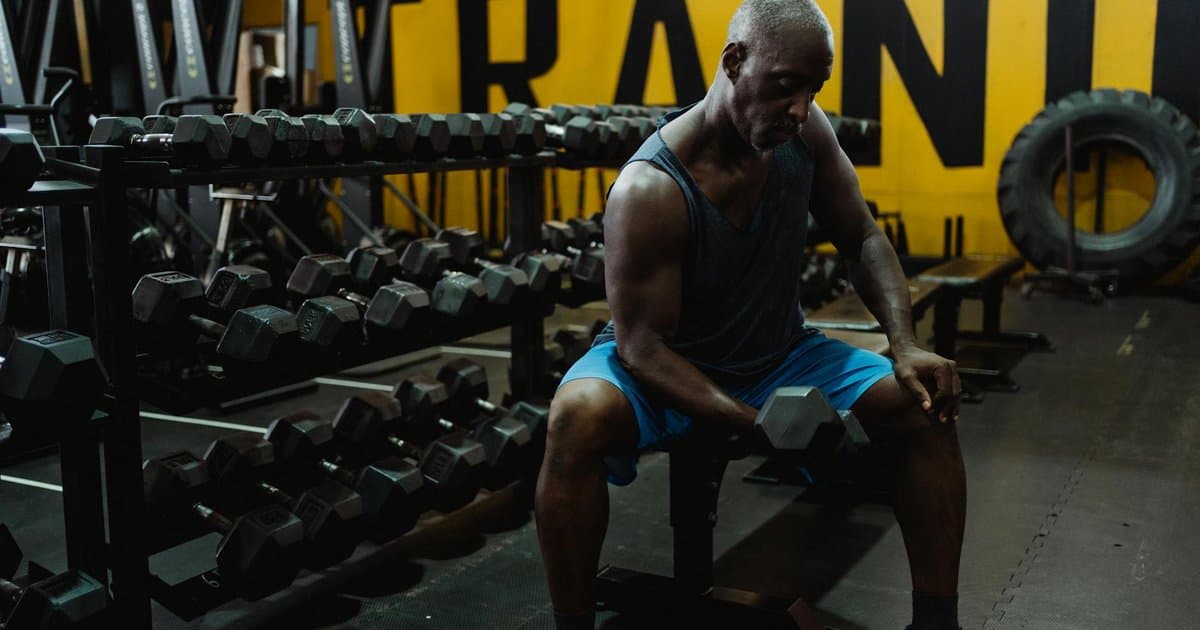
What makes this worth your attention right now is that the loss is largely preventable, and the window to act is wide open. Muscle responds to demand at every age, including in people well into their eighties. The single most effective tool is resistance training, which simply means asking your muscles to work against meaningful load on a regular basis. You do not need a fancy gym or hours a day. Two to three focused sessions a week, hitting the major movements, is enough to slow and even reverse a good portion of the decline. The body is remarkably willing to rebuild when you give it a reason to. The problem is that most adults give it no reason at all, and the muscle quietly leaves.
Protein is the other half of the equation, and most people underestimate how much they need. As you age, your body actually becomes less efficient at turning the protein you eat into muscle, so the target goes up, not down. A reasonable goal for most active adults is somewhere around point seven to one gram of protein per pound of body weight, spread across the day rather than crammed into one meal. Skipping protein at breakfast and backloading it at dinner is a common pattern that leaves your muscles short for most of the day. Pairing solid protein intake with regular lifting is what actually moves the needle. One without the other gives you a fraction of the benefit.
The mistake people make is waiting until something goes wrong to start. They feel fine in their forties, assume they have plenty of time, and pick up strength training only after a fall or a scary doctor visit in their seventies. By then they are climbing out of a much deeper hole. The far easier path is to treat muscle like a retirement account you are funding early. Every year you train in your thirties and forties is muscle you bank against the steeper losses coming later. You are not training for how you look this summer. You are training for whether you can climb your own stairs and live independently decades from now.
You do not have to overhaul your whole life to change this. Pick two or three days a week, learn a handful of basic lifts like squats, hinges, presses, and rows, and add a little load over time. Eat enough protein to actually support the work. Stay consistent for a few months and you will feel the difference in how you move, not just how you look. The decline is real and it has already started for most adults reading this. The encouraging part is that your body is still listening, and it will respond at almost any age if you simply ask it to.