By the time a recession is officially declared, it has usually been underway for months. That delay frustrates people who want to know where the economy is heading right now. Economists deal with this by watching a set of signals that tend to move before the broader economy does. These are called leading indicators, and they act like an early warning system. None of them is a crystal ball, and each can send a false alarm. Together, though, they paint a picture that is more useful than any single number. Understanding them helps you read the news with a clearer eye.
One of the most watched signals is the number of people filing for unemployment benefits for the first time. This figure comes out every week, which makes it timely compared to reports that arrive monthly or quarterly. When claims start climbing steadily, it often means employers are trimming staff before the pain shows up elsewhere. A single noisy week does not mean much, so economists look at the trend over several weeks. Rising claims have preceded many downturns, giving watchers a head start. Falling or steady claims suggest the job market is holding up. Because it updates so often, this one indicator carries a lot of weight.
Housing tends to turn before the rest of the economy, so building permits are another key clue. A permit is a promise of future construction, which means jobs, materials, and spending down the line. When builders pull fewer permits, they are betting that demand will soften. That caution ripples out to lumber suppliers, appliance makers, and moving companies. Housing is sensitive to interest rates, so it often reacts first when borrowing gets expensive. A sustained drop in permits has shown up ahead of past slowdowns. A rebound can signal that confidence is returning.
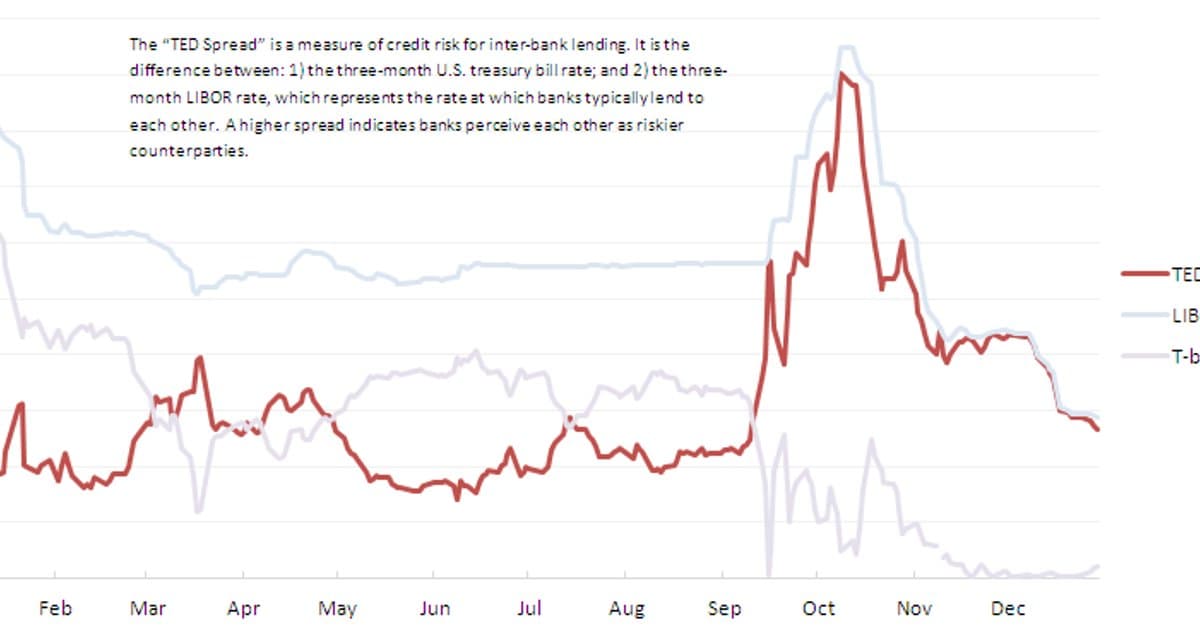
Financial markets offer their own forward looking signals, even if they are noisy. Stock prices reflect what investors expect company profits to do in the months ahead, so a long decline can hint at trouble. The bond market sends a subtler message through something called the yield curve. Normally, lenders demand higher interest for longer loans, so long term bonds pay more than short term ones. When that flips and short term rates rise above long term rates, it is called an inversion. An inverted yield curve has come before nearly every modern recession, which is why economists take it seriously. It is not a guarantee, but it is a pattern worth respecting.
How people feel about the future matters, because spending drives most of the economy. Surveys of consumer expectations ask whether people think jobs and income will get better or worse. When that mood sours, families tend to pull back on big purchases and save more. Manufacturers give another read through new orders for goods and the hours their factories run. Fewer orders and shorter workweeks suggest demand is cooling before layoffs begin. These soft signals can be wrong, since sentiment can swing on headlines. Still, when several move the same direction at once, the message gets louder.
Because no single measure is reliable, some groups bundle several into one number. The Conference Board publishes a widely cited index that combines jobless claims, permits, stock prices, the yield spread, and other pieces. When that combined index falls for several months in a row, it has often flagged a coming slowdown. The idea is that a group of signals filters out the noise in any one of them. A single indicator might blink red for a random reason, but a broad decline is harder to dismiss. This is why serious forecasters rarely hang their view on one report. They look for agreement across many.
For all their usefulness, leading indicators have real limits. They can signal a downturn that never fully arrives, which is why people joke that the stock market has predicted more recessions than actually happened. Shocks like a pandemic or a sudden oil disruption can hit without warning, since no survey can see them coming. The indicators also cannot tell you how deep or how long a slowdown will be. They point to direction, not to the size of the storm. Policy can change the outcome too, as central banks and lawmakers respond to what they see. Reading these signals is about odds, not certainty.
You do not need a degree to make use of these signals in your own life. When several indicators turn down together, it is a reasonable time to build up savings and avoid stretching on debt. When they point up, it may be a better moment to invest in a business or a career move. The point is not to predict the exact month a recession starts, because almost no one gets that right. The point is to notice the weather changing and adjust your footing. Treat the news as a set of probabilities rather than promises. That mindset keeps you steady whether the forecast proves right or wrong.