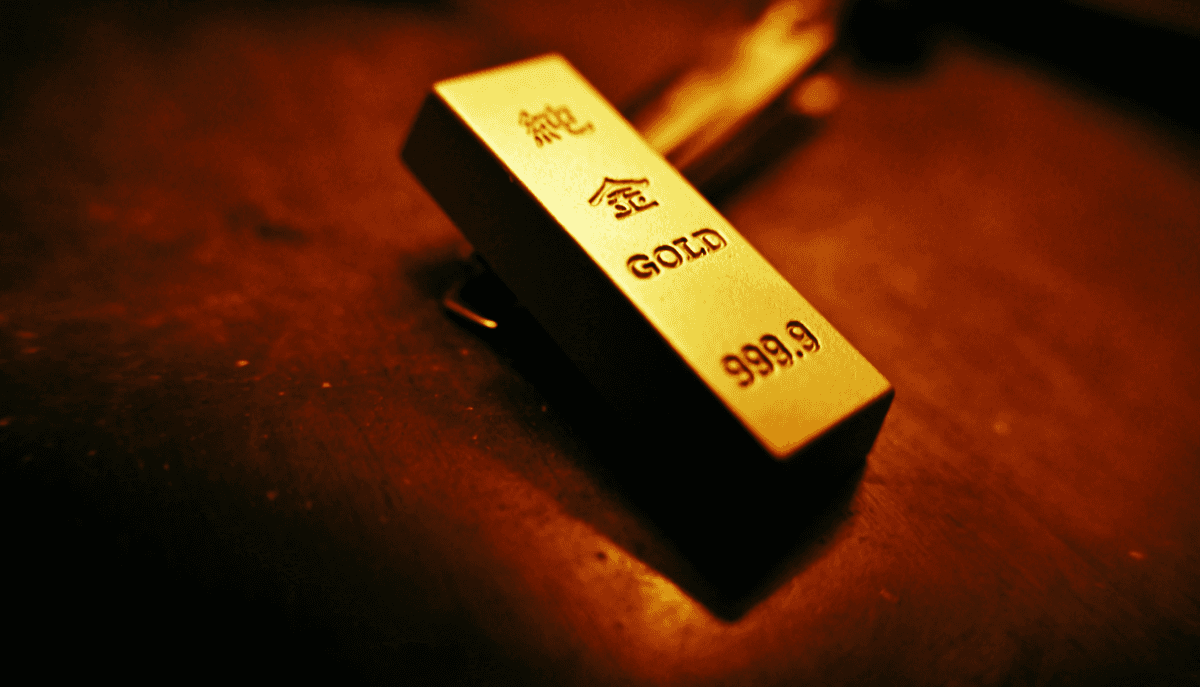
Gold prices fell sharply on Tuesday after President Trump announced a tentative two-week ceasefire with Iran, wiping out weeks of gains driven by war fears and sending the precious metal to $4,705 per ounce. The decline represents one of the most dramatic single-day moves in the gold market since 2020, when prices swung wildly during the early months of the pandemic. Spot gold had been trading above $5,600 just days earlier, lifted by the threat of a prolonged military conflict in the Persian Gulf and the closure of the Strait of Hormuz. The ceasefire announcement, brokered by Pakistani Prime Minister Shehbaz Sharif with formal talks set for Friday in Islamabad, pulled the floor out from under that trade almost instantly. Futures contracts for June delivery dropped in lockstep, and trading volume on the COMEX exchange surged to more than three times the 30-day average within the first hour of the announcement.
The speed of the selloff caught many institutional investors off guard, though analysts had been warning for weeks that the so-called war premium baked into gold was fragile and dependent on continued escalation. Central bank buying, which had been a structural tailwind for gold throughout 2025 and into early 2026, did not disappear overnight, but the short-term speculative positioning unwound rapidly. Data from the Commodity Futures Trading Commission showed that net-long positions among managed money accounts had reached a five-year high in the week ending April 4, making the market especially vulnerable to any de-escalation headlines. The result was a cascading liquidation that pushed prices through multiple technical support levels in a matter of hours.
Domestic gold prices in India fell to approximately 1.49 lakh rupees per 10 grams, down from highs above 1.75 lakh earlier in the week, reflecting the global move. In the United States, retail investors who had piled into gold ETFs during the conflict found themselves facing immediate paper losses, with the SPDR Gold Shares ETF dropping more than 14% in a single session. Silver followed gold lower, falling roughly 12% to $28.40 per ounce, while platinum and palladium also declined but by smaller margins. The broader commodities complex reflected the ceasefire impact, with crude oil falling 14% on the same day and the Bloomberg Commodity Index posting its worst session in more than two years.
The move raises questions about what happens next for gold if the ceasefire holds and formal negotiations produce a lasting agreement. Analysts at Goldman Sachs maintained their year-end price target of $4,200 per ounce, arguing that the war premium had added roughly $800 to $1,000 to the price and that a return to fundamentals would mean further downside. Others, including strategists at UBS, noted that central bank demand remains structurally strong and that inflation pressures from the oil shock have not fully worked through the economy, which could provide a floor in the $4,300 to $4,500 range. The Federal Reserve's response to rising energy-driven inflation, with the next policy meeting on May 6 and 7, will be a key variable in determining whether gold finds new buyers or continues to slide.
For everyday investors, the gold crash is a reminder that safe-haven assets can reverse course just as violently as they rally. The move from $3,200 in late 2025 to $5,600 in early April 2026 happened over roughly four months, and the pullback to $4,705 happened in a single day. Treasury bonds, which had also benefited from the flight to safety, saw yields rise as investors rotated back into risk assets, with the 10-year yield climbing to 4.42% from 4.28% at the start of the week. The S&P 500 futures rallied more than 2.7% overnight, and the Nasdaq pointed to a gain of more than 3.5% at the open, suggesting that capital was leaving defensive positions and moving into equities. Whether that trade holds depends entirely on whether the Islamabad talks on Friday produce something more durable than a two-week pause.