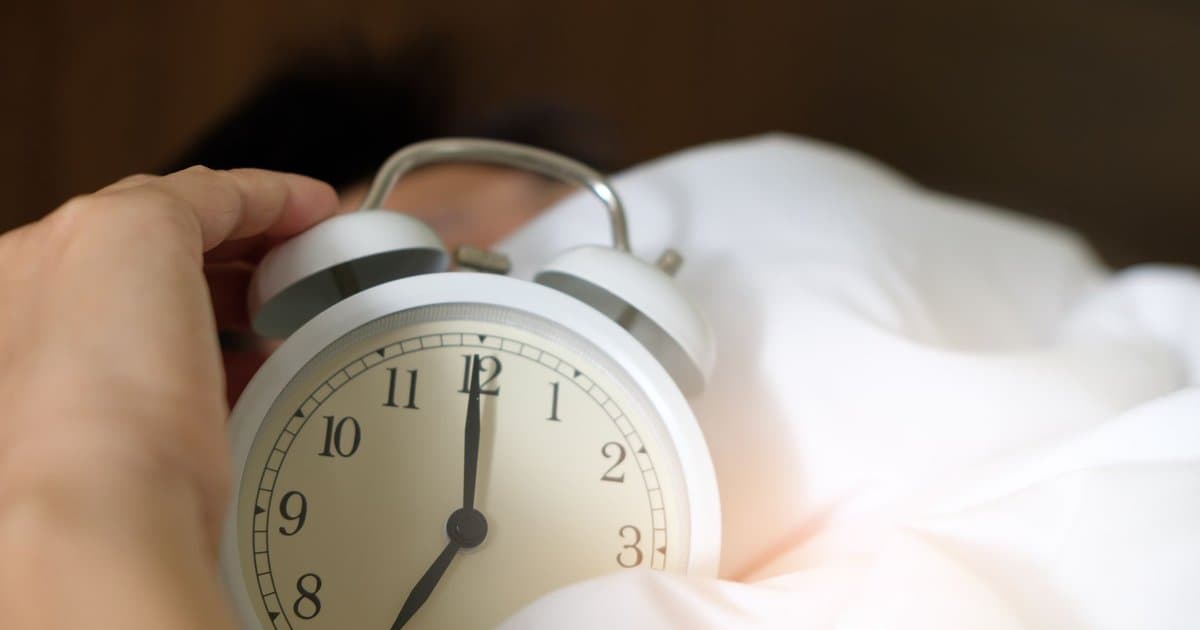
You go to bed on time, you sleep a solid eight hours, and you still wake up feeling like you barely rested. It is one of the most frustrating things a body can do, and it makes you wonder if something is wrong with you. Most of the time nothing is broken, and the problem is not the amount of sleep at all. The problem is the quality of those hours and what quietly interrupts them while you are unconscious. Time in bed and real rest are two different measurements, and your body only cares about the second one. Here are the four reasons this happens most often and what each one is actually doing to you.
The first reason is broken sleep cycles you never notice. Sleep moves through stages, and the deep and dream stages are where your body and brain do their real repair work. If something pulls you out of those stages over and over, you can spend eight hours in bed and get very little of the recovery you needed. These interruptions are often so brief that you never remember them in the morning, which is why the tiredness feels like a mystery. A partner who moves, a pet on the bed, a phone buzzing, or a noisy street can all fragment your night. You were technically asleep the whole time, but your brain never got to finish its work.
The second reason is alcohol or a heavy meal too close to bedtime. A drink in the evening can make you fall asleep faster, which fools people into thinking it helps their rest. What actually happens is that as your body processes the alcohol, it blocks the deep stages of sleep and wakes you in the second half of the night. A large or rich meal does something similar, because your digestion keeps working while you are trying to shut down. You end up spending your night managing food and drink instead of recovering from your day. The fix is not complicated, but it does take a few hours of distance between your last drink or big meal and your pillow.
The third reason is the temperature and light in your room. Your body lowers its core temperature to fall into deep sleep, and a room that is too warm fights that process all night long. Even a few degrees can be the difference between deep rest and a restless, shallow night that leaves you groggy. Light is the other quiet thief, because your brain reads any glow as a signal that it is time to be alert. A streetlight through thin curtains, a charging cable with a small indicator, or an early sunrise can all keep your sleep lighter than it should be. A cool, genuinely dark room is one of the cheapest upgrades you can make to how you feel in the morning.
The fourth reason is the one people most want to ignore, which is a real sleep disorder. Sleep apnea causes your breathing to stop and start through the night, and each pause yanks you out of deep sleep without ever fully waking you. You can have it for years and only notice loud snoring, morning headaches, or a constant tiredness that no amount of sleep fixes. It is more common than most people think, and it is very treatable once someone actually looks for it. If you have ruled out the other three reasons and still wake up drained, this is worth raising with a doctor. Chasing better habits will not solve a medical problem that needs a real diagnosis.
Two everyday habits quietly make all four of these problems worse than they need to be. The first is caffeine later in the day, because it lingers in your body for many hours and keeps your sleep shallow even when you fall asleep just fine. A coffee at two in the afternoon can still be working against you near midnight without ever making you feel wired. The second is the phone in bed, since the light tells your brain to stay alert and the endless content keeps your mind running. You lie there scrolling and call it winding down, when your body is reading it as the opposite of rest. Cutting caffeine off by early afternoon and setting the phone down before bed will not cure a medical problem, but it removes two things that sabotage good sleep every single night. Small as they sound, those two changes stack up fast.
The encouraging part is that three of these four reasons are things you can adjust this week without spending much money. Guard the room temperature, kill the small lights, put some distance between your last drink and bedtime, and protect your space from the little noises that fragment your night. Give those changes a couple of weeks before you judge them, because your body needs time to catch up on what it lost. If you have honestly cleaned up your environment and your mornings are still rough, take that as useful information rather than a personal failure. Tiredness that ignores good habits is a signal, not a character flaw. Your body is telling you where to look next, and it is worth listening.