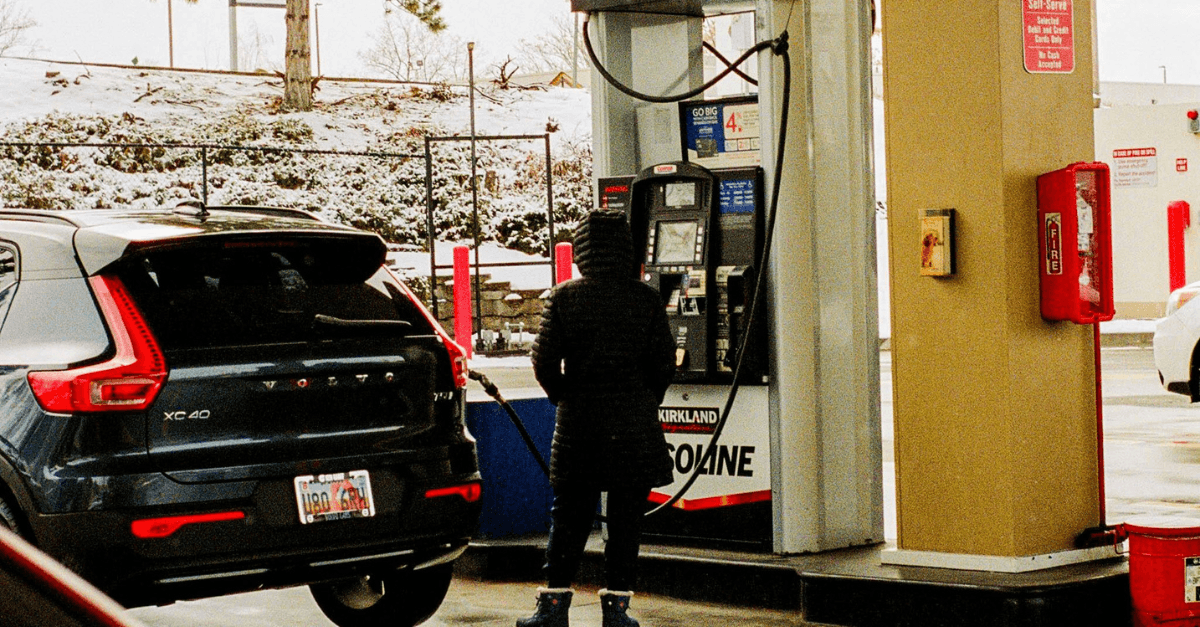
The U.S. Energy Information Administration released updated forecasts on April 8 that significantly raised its expectations for gasoline, diesel, and crude oil prices through 2026 and into 2027. The agency now projects that the national average price of regular gasoline will peak at approximately $4.30 per gallon during April 2026, up from its previous estimate and reflecting the ongoing impact of the Iran conflict on global energy markets. The revised forecast follows weeks of sustained pressure on oil prices driven by disruptions in the Strait of Hormuz and continued uncertainty about the duration and scope of the U.S. military engagement.
The price increase is not happening in a vacuum. Crude oil has been trading at elevated levels since the conflict began, with West Texas Intermediate recently settling near $96 per barrel following a brief dip after the ceasefire announcement, and Brent crude hovering around $94. Those numbers represent a significant decline from the $115 peak reached just days ago, but they remain well above the levels that prevailed before the war started. The EIA's revised outlook accounts for the possibility that even with a ceasefire in place, the structural damage to energy supply chains and the geopolitical uncertainty in the region will keep prices elevated for longer than markets initially expected.
For American households, the impact is straightforward and measurable. Every penny increase in the price of gasoline costs U.S. consumers approximately $1.4 billion annually. Moving from the sub-$3 gas prices that many parts of the country enjoyed in late 2025 to $4.30 per gallon represents a significant hit to household budgets, particularly for families that depend on driving for work, school, and daily errands. Diesel prices, which the EIA also revised upward, carry an additional economic weight because they affect the cost of transporting goods. When diesel goes up, the price of everything that moves by truck goes up with it, from groceries to building materials to online orders.
The airline industry is already responding to the energy cost pressure. Delta Air Lines became the third major U.S. carrier to raise its checked bag fees, a move directly tied to jet fuel costs that have surged approximately 40 percent since the conflict began. American Airlines and United Airlines made similar adjustments in recent weeks. These fee increases affect millions of travelers during what would normally be the start of peak spring and summer travel season. The combination of higher gas prices at the pump and higher costs for air travel creates a squeeze on discretionary spending that economists are watching closely as a potential drag on consumer confidence and overall economic activity.
The EIA forecast also addresses the medium-term outlook, projecting that elevated energy prices will persist through the end of 2026 and into 2027 even under scenarios where the Iran conflict de-escalates. The reasoning centers on the time required to restore full shipping capacity through the Strait of Hormuz, rebuild disrupted supply relationships, and work through the inventory drawdowns that have occurred during the conflict period. The Strategic Petroleum Reserve loan of 10 million barrels announced by the Department of Energy provides some short-term relief, but it is not large enough to fundamentally alter the supply-demand imbalance that is keeping prices high.
The regional impact of higher gas prices is not evenly distributed. Rural communities and areas with limited public transportation infrastructure bear a disproportionate share of the cost because residents in those areas have fewer alternatives to driving. In cities like Nashville, where public transit options remain limited compared to larger metropolitan areas, the price increase translates directly into tighter household budgets. Low-income families and communities that were already spending a higher percentage of their income on transportation face the sharpest impact. The EIA data does not offer comfort on that front. The agency's projections suggest that relief at the pump is months away at best, and the path back to sub-$4 gasoline depends on geopolitical outcomes that no forecasting model can predict with confidence.