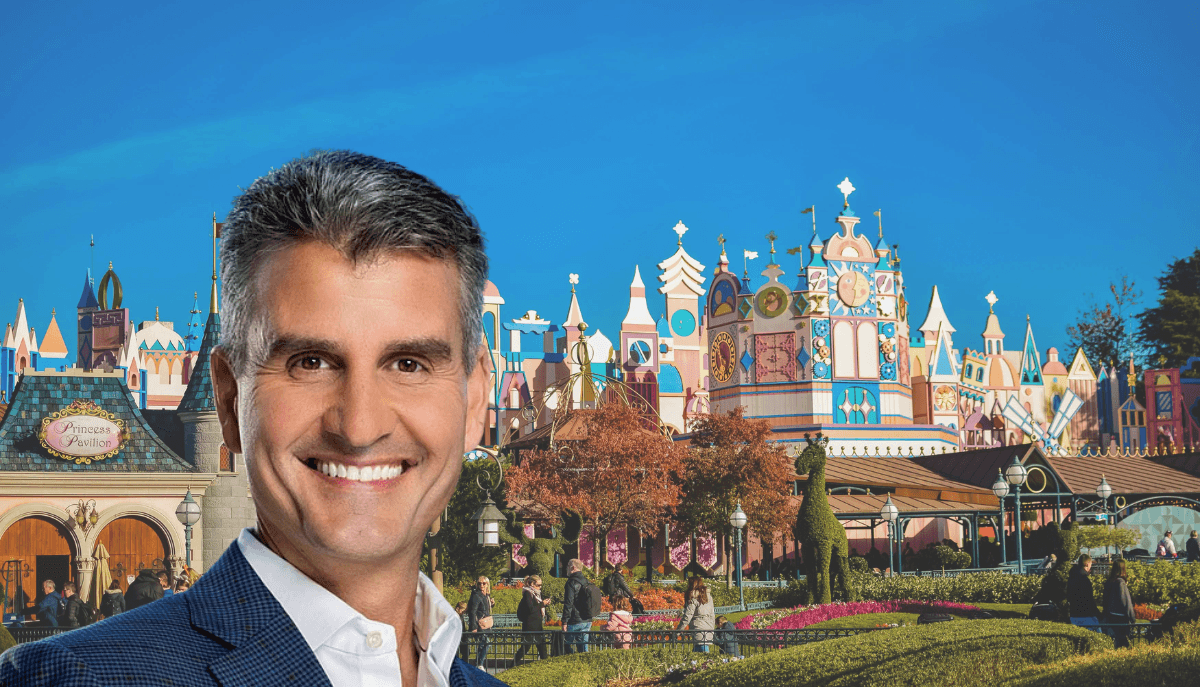
The Walt Disney Company is preparing to cut up to 1,000 employees over the next several months, according to multiple reports confirmed this week. The layoffs come as new CEO Josh D'Amaro, who took over from Bob Iger earlier this year, moves aggressively to restructure the company around profitability and operational efficiency. The cuts are expected to hit multiple divisions, including corporate functions, marketing, and some creative teams. Disney has not released a formal public statement with specific numbers, but internal communications have reportedly informed affected departments that reductions are coming.
The timing of the layoffs is significant for several reasons. Disney's stock has been under pressure for months as the broader entertainment industry deals with declining theatrical attendance, rising production costs, and an increasingly competitive streaming landscape. Disney+ has struggled to maintain subscriber growth after its initial pandemic-era surge, and the company's linear television networks continue to lose viewers to cord-cutting. D'Amaro, who spent years running Disney's parks and experiences division before being elevated to CEO, has made it clear that every business unit needs to justify its costs. That mentality is now filtering through the entire organization.
What makes this round of layoffs different from previous Disney cuts is the strategic direction behind them. Under Bob Iger's final stretch as CEO, Disney was in what many analysts described as a holding pattern. Iger stabilized the company after the chaotic Bob Chapek era but did not make the kind of bold structural moves that investors were hoping for. D'Amaro appears to be taking a different approach. He has signaled that Disney will be more selective about the content it produces, focusing on fewer but higher-quality projects rather than flooding Disney+ with volume. That shift alone requires fewer people in development, production, and marketing roles that were built around a high-volume content strategy.
The broader entertainment industry has been in a sustained contraction since the strikes of 2023 disrupted production schedules and reset expectations for how much content studios should be making. Warner Bros. Discovery, Paramount, and NBCUniversal have all gone through significant layoffs in the past two years. Disney had been relatively restrained compared to its peers, but this latest round of cuts suggests the company is catching up to an industry-wide reality. The era of unlimited content spending is over, and the companies that survive will be the ones that figure out how to do more with less.
For the employees affected, the layoffs are another reminder that corporate restructuring always hits hardest at the individual level. Many of the people being let go are mid-level professionals who joined Disney during the streaming expansion, when the company was hiring aggressively to compete with Netflix and Amazon. Those jobs were real, the work was real, and the people who filled those roles built careers around the promise that streaming would be the future. The future still involves streaming, but it does not involve the same headcount that companies thought it would three years ago. That is the uncomfortable truth that every major media company is now confronting.
Wall Street has responded cautiously to the news. Disney shares ticked up slightly on reports of the layoffs, which is the grim math of how markets work. Investors see cost cuts as a path to improved margins, especially when revenue growth has been sluggish. But analysts have also warned that Disney needs to be careful not to cut so deep that it damages the creative pipeline that makes the company valuable in the first place. Disney's brand is built on storytelling, and storytelling requires talent. If the layoffs go too far into creative departments, the savings could come at the cost of future revenue.
D'Amaro has a difficult balance to strike. He needs to prove to Wall Street that he can run a leaner, more profitable Disney while also maintaining the creative output that keeps parks full, theaters busy, and subscribers engaged. The next six months will reveal whether this round of cuts is a one-time adjustment or the beginning of a longer restructuring. For now, the message from Disney's new leadership is clear. The company is getting smaller before it tries to get bigger again. Whether that strategy works depends entirely on what comes next.