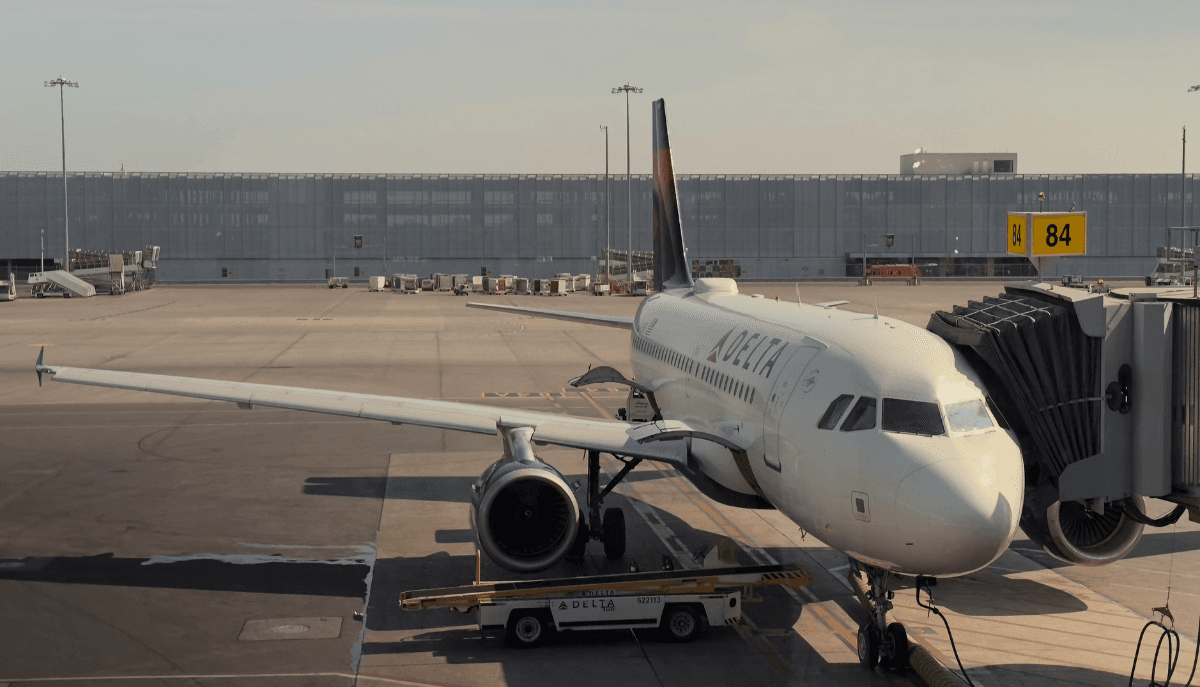
Delta Air Lines announced Monday it will raise checked bag fees by $5 per bag each way starting May 1, becoming the third major U.S. carrier in the past two weeks to pass surging fuel costs directly to travelers. American Airlines raised its fees on March 28 and United followed on April 2. All three carriers cited the sharp increase in jet fuel prices driven by the ongoing war with Iran and the disruption of oil shipments through the Strait of Hormuz as the primary factor behind the decision. The first checked bag on a domestic Delta flight will now cost $40 each way, up from $35, while the second bag rises to $50 from $45. International routes will see similar adjustments.
Jet fuel prices have climbed more than 40 percent since the conflict began, tracking alongside crude oil that has pushed past $115 per barrel on global markets. The Strait of Hormuz, through which roughly 20 percent of the world's oil supply passes daily, remains a contested chokepoint as the United States and Iran continue to exchange threats over navigation rights and ceasefire terms. Airlines consume enormous quantities of fuel and even modest per-gallon increases translate to billions in additional annual operating costs across the industry. Delta alone burns through roughly 4 billion gallons of jet fuel per year, meaning every penny increase per gallon adds approximately $40 million to its annual fuel bill. The math makes the fee increase almost inevitable from a corporate standpoint, but the burden lands squarely on passengers.
The timing is particularly difficult for families planning summer travel. Airfare was already elevated heading into 2026 due to persistent inflation in labor and maintenance costs, and the fuel surcharges are being layered on top of fares that were set before the Iran conflict escalated. Travel industry analysts estimate that the average cost of a round-trip domestic flight has risen by $45 to $70 compared to the same period last year when accounting for both fare increases and new bag fees. For a family of four checking bags both ways, that adds roughly $80 to $160 to the total trip cost before they even reach the rental car counter or hotel desk. Budget airlines like Spirit and Frontier have not yet announced fee changes but are widely expected to follow within weeks.
The ripple effects extend beyond passenger convenience into the broader economy. Higher travel costs reduce discretionary spending at destinations, which hurts hotels, restaurants, and tourist attractions that depend on summer revenue. Nashville, which has positioned itself as a top tourism destination over the past decade, could feel the impact directly. The city welcomed more than 14 million visitors in 2025 and tourism supports an estimated 80,000 jobs in the metro area. If fewer travelers visit or spend less when they arrive, the hospitality workforce absorbs the first wave of the downturn. Workers in food service, hotel housekeeping, and rideshare driving are disproportionately affected because their hours and tips fluctuate with visitor volume.
Airlines have attempted to soften the message by pointing to investments in fleet efficiency and sustainable aviation fuel research, but those are long-term plays that do nothing to offset the immediate cost pressure on consumers. Delta CEO Ed Bastian told investors last week that the carrier had hedged roughly 30 percent of its fuel needs through the third quarter but acknowledged that if oil remains above $110 per barrel through summer, additional pricing adjustments would be necessary. That language is corporate shorthand for more fee increases or higher base fares later in the year if the conflict drags on without resolution.
Immigrant communities that rely on international travel to maintain family connections face an outsized burden from these cost increases. Flights to the Caribbean and Central America, which are already among the most expensive per-mile routes in the domestic airline system, will see the highest absolute dollar increases under the new fee structures. Haitian and Latin American families in Nashville, many of whom budget carefully throughout the year to afford one or two trips home, are now looking at hundreds of dollars in additional costs that may push those trips out of reach entirely. The war in Iran started as a geopolitical conflict thousands of miles away, but its economic consequences are reaching into household budgets on a deeply personal level.
For travelers who cannot avoid flying this summer, the practical advice remains straightforward. Book as early as possible to lock in current fares before additional increases hit. Use airline credit cards that waive bag fees for cardholders. Consider flying on Tuesdays or Wednesdays when fares are historically lowest. Pack carry-on only when feasible. And compare total trip costs including bags, seat selection, and other ancillary fees rather than just looking at the base fare number. The airlines are not going to absorb these costs, so travelers need to plan around them with clear eyes and realistic budgets.