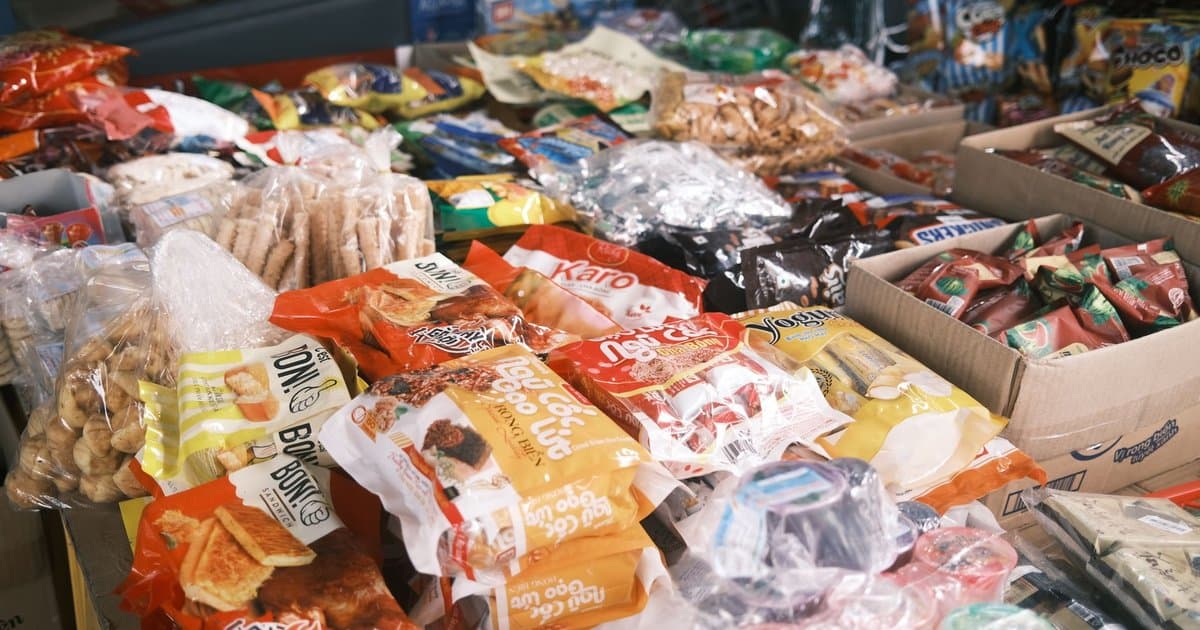
The case for buying in bulk feels airtight. The big package has a lower price per unit, so the bigger you buy, the more you save. Warehouse clubs are built entirely around that promise, and the numbers on the shelf seem to prove it. But the per unit price is only the start of the math, and it leaves out everything that happens after the item gets to your house. For a lot of households, the bulk strategy ends up costing more, not less. The savings are real on paper and imaginary in practice.
Start with the most common leak, which is waste. A giant container of something only saves money if you actually use all of it before it goes bad. Produce, dairy, bread, and anything with a short shelf life are the worst offenders, because the supersized version often spoils before you finish it. When a third of a bulk purchase ends up in the trash, the per unit price you paid quietly doubles or worse. People rarely track this, so the loss never shows up as a number they can see. It just feels like the groceries cost a lot this month.
Then there is a subtler effect that researchers have studied for years. When people have a lot of something on hand, they use more of it. A big bag of chips gets eaten faster than a small one, a huge bottle of detergent gets poured more generously, and the giant pack of paper towels disappears at a surprising rate. The abundance changes your behavior without you noticing, so the stockpile that was supposed to last two months is gone in five weeks. You did not save money. You just consumed faster and told yourself it was thrift. The lower unit price funded a higher usage rate.
The costs that never make the shelf tag add up too. Many warehouse clubs charge an annual membership, and unless you shop there often enough, that fee eats into any savings before you buy a thing. Bulk also ties up cash and space. Money spent stocking up on twelve of something is money not sitting in your account, and the garage or pantry real estate it occupies has a value of its own. If you live in a small place, the clutter alone can push you toward renting more storage or simply living in a more crowded home. None of that shows up when you compare the price per ounce, but all of it is part of the true cost.
This does not mean bulk is always a trap, because for the right items it genuinely wins. Things you use steadily and that do not spoil are perfect candidates, like toilet paper, trash bags, dish soap, rice, and canned goods. If your household reliably goes through a product at a known pace, the lower unit price is a clean savings with no downside. The math also improves with more people in the home, since a family of five clears a bulk pack a single person never could. The skill is not avoiding bulk. It is knowing which products fit your actual consumption and which ones just look like deals.
There is also the trip itself, which rarely ends with only the items you came for. Warehouse stores are designed to move you past tables of things you did not plan to buy, and the giant format makes every impulse a large one. A single unplanned case of something can erase the savings from everything else in the cart. The free samples, the rotating treasure aisle, and the sheer scale all nudge you toward spending more per visit than a normal grocery run would. People often leave feeling like they saved money precisely because they spent so much, which is a strange trick of the mind. It is worth tracking what you actually spend per month rather than per ounce, because the monthly total is the number that hits your account.
So before you reach for the bigger box, ask a few honest questions. Will you really finish it before it goes bad, or are you betting on a version of yourself that eats more vegetables than you do. Do you use this thing at a steady, predictable rate, or only now and then. Is the per unit savings large enough to beat the membership fee, the spoilage risk, and the space it takes. Are you already shopping there anyway, or does this turn into a special trip that costs you time and gas on top of everything else. For shelf stable staples you burn through, bulk is a smart, boring win. For everything else, the small package you actually use up often beats the giant one you partly throw away. Buying less of the right things usually beats buying more of the wrong ones.