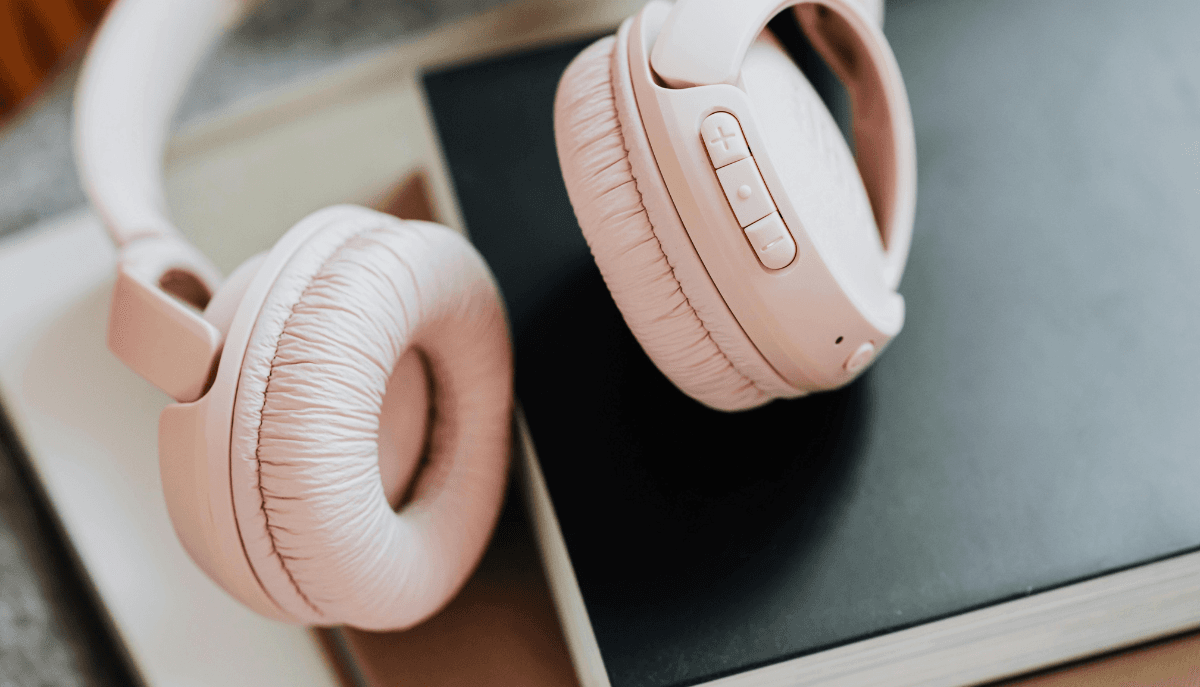
A shift has been building in publishing for several years, and in 2026 it's becoming impossible to ignore. More Americans are listening to books than at any prior point. The audiobook market is on its way to $6 billion globally, driven by smartphone penetration, long commutes, and the growing number of people who say they don't have time to sit down with a physical book but absolutely have time to listen to one during a workout, while cooking, or on a drive that would otherwise feel like dead time.
This isn't a story about people who don't like reading. It's a story about people who have reorganized how they consume language and narrative.
The audiobook category has been growing for a decade, but the acceleration in the past few years has been notable. Audible, which Amazon acquired in 2008 and has operated as the dominant audiobook platform since, remains the clear market leader. But Spotify's move into audiobooks has changed the competitive dynamic in real ways. Spotify added audiobooks to its subscription in 2023 and has been investing in the category since. Premium subscribers get a set number of listening hours per month included, which means audiobooks are now part of the same consumption habit as podcasts and music for a large percentage of users.
That bundling matters more than it might seem. Getting someone to try an audiobook when they've already paid for it through a subscription they use daily is a very different ask than getting them to pay separately for something they're uncertain about. The number of "first audiobook" listeners has risen every year since Spotify's integration, and most of them report that they continued listening after the first experience. The friction of trying a new format has been removed. That's how habits change.
The celebrity narrator trend has been building for years but reached a different level in 2026. Publishers have discovered that a well-known narrator can add meaningfully to a book's commercial performance, particularly in memoir and narrative nonfiction. When a celebrity reads their own memoir, that's expected. The more recent development is celebrities narrating books they didn't write, bringing their voice and their following to someone else's work. The arrangement benefits both parties. The author gets promotional lift from the narrator's audience. The narrator gets associated with more substantial content than they typically produce on their own.
The accessibility argument for audiobooks is genuinely important and consistently undersold in publishing conversations. Dyslexia affects roughly 15 to 20 percent of the population to some degree. For many people with dyslexia, printed text creates a processing burden that listening eliminates entirely. When someone says they can't get through a physical book but will listen for hours, that's not laziness or disengagement. It's often a cognitive difference that the format happens to accommodate. Publishing's gradual reckoning with this fact is changing how rights are sold, how books are packaged, and how authors think about the full reach of their work.
Black storytelling has found specific traction through audio. Oral tradition has always been central to African American cultural transmission, and the audiobook format resonates with that tradition in ways that the printed page, for historical and cultural reasons, sometimes doesn't. The success of Black authors in the audiobook market reflects both the appeal of the content and the naturalness of the delivery medium. Publishers who have recognized this are investing in audio production quality for Black authors at a level that wasn't standard five years ago.
The April 2026 bestseller lists illustrate how the categories doing well in print are also dominating audio. Romantasy, which now accounts for a significant portion of fiction sales, translates extremely well to listening because the immersive, atmospheric quality of the genre is enhanced by a strong narrator. Crime and mystery are the second-strongest audio category. Literary fiction remains somewhat more resistant to the audio transition, partly because the experience of reading literary prose on a page differs from hearing it, and partly because literary fiction readers tend to be the most attached to the physical reading experience.
Where the format is likely to go over the next few years is toward more original content: audio-first books designed from the start to be heard rather than read, and toward more sophisticated production. Some publishers are already experimenting with full-cast productions with sound design that makes the listening experience feel closer to a film score than a narrator reading text. That level of production is expensive. But the audience for it is demonstrably real, and the economics of podcast advertising have proved that audio audiences will pay for premium listening experiences.
The reading habit isn't declining. It's diversifying. The publishers, platforms, and authors who understand that distinction are positioning themselves to reach audiences that print alone would never find.