The spiritual practices most Christians describe as central to their faith almost always collapse under crisis. The daily quiet time goes first. The Bible reading plan gets abandoned. Church attendance becomes sporadic. The crisis (a cancer diagnosis, the death of a parent, a job loss, the discovery of infidelity in a marriage) absorbs the cognitive and emotional bandwidth that the spiritual practices were occupying, and the practices fade. This is a near-universal pattern in the pastoral counseling I have done over 18 years. What I have also learned is that eight specific spiritual disciplines hold up under crisis better than the standard daily-routine practices. The believers who have these eight in place before the crisis arrives come through with their faith intact. The believers who only have the daily practices often come through without.
The first discipline is the practice of presence. Brother Lawrence wrote about practicing the presence of God 350 years ago, and the discipline is exactly what it sounds like: a recurring brief turning of attention toward God throughout the day, not in a formal prayer posture but in the middle of whatever is happening. Walking from one meeting to the next. Standing at the kitchen sink. Sitting in a hospital waiting room. The practice survives crisis because it does not require time or quiet, only attention. Believers who have built this practice over months or years before crisis can continue it through the worst circumstances. The practice was always built to function in the middle of life, including the parts of life that are hardest.
The second discipline is short memorized prayer. The Lord's Prayer, the Jesus Prayer, Psalm 23, the prayer of St. Patrick. Anything short enough to be said while waiting in line at the pharmacy or driving to a hospital. The memorized prayer survives crisis because it does not require composing thought when thought is impossible. Believers who memorize 6 to 12 short prayers over their lifetime have a vocabulary of prayer available to them when their own words have failed. The medieval and patristic Christian tradition was built around exactly this kind of resilient prayer, and the contemporary Christian tradition has largely forgotten it.
The third discipline is the Sabbath. A weekly 24-hour rest from work survives crisis because the structure is external. The work stops because the day is what it is, not because the believer chose well that week. Crisis usually involves an intensification of doing (medical appointments, funeral arrangements, job applications). The Sabbath puts a non-negotiable stop in the middle of that doing. Believers who have practiced Sabbath for years before crisis arrive at the practice already trained. The first Sabbath after a crisis hits is meaningfully easier for the trained believer than for the one trying to start it for the first time at the worst moment.
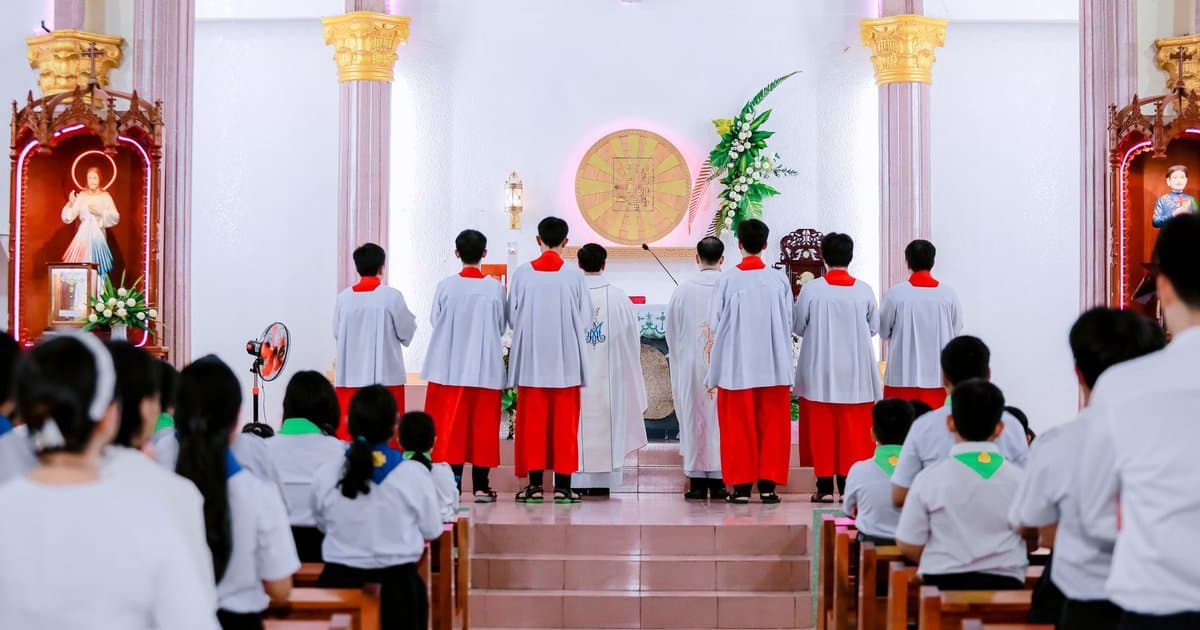
The fourth discipline is liturgical anchoring. Reciting the Apostles' Creed, the Nicene Creed, or the Lord's Prayer with a congregation. The liturgy survives crisis because it does not require the believer to generate content. The words are there. The believer just shows up. When personal faith feels weak during crisis, the liturgy carries the believer for as long as needed. The historic liturgical traditions (Catholic, Orthodox, Anglican, Lutheran) have understood this for centuries. Many evangelical traditions are now rediscovering the practice as the contemporary worship-only approach has shown its weakness during crisis seasons.
The fifth discipline is fasting on a fixed schedule. Once-weekly fasting from food on a specific day, regardless of circumstance, survives crisis because the schedule is external. The believer fasts because it is Wednesday, not because they feel spiritually motivated. The practice produces the kind of consistent submission to God that intensifies faith during the periods when feelings would otherwise carry the practice. Believers who have fasted once a week for years before crisis often report the discipline as one of the most stabilizing during the worst weeks.
The sixth discipline is the practice of confession. Either sacramental confession in liturgical traditions, or accountability partnership in evangelical traditions. The discipline of regularly speaking specific sins to another Christian survives crisis because it externalizes what would otherwise become internal isolation. Crisis tends to produce isolation. Confession breaks the isolation by structure rather than by feeling. The believer goes to confession because it is the day for confession, not because they wanted to. The practice keeps spiritual life integrated with relationship even when crisis is pulling toward withdrawal.
The seventh discipline is hospitality on a schedule. Hosting people for a meal once or twice a month, regardless of circumstance. The practice survives crisis because the structure protects against the natural tendency to withdraw. Hospitality produces relationship, relationship produces support, support carries the believer through. The believer hosts dinner on the third Sunday of every month because that is the rhythm, not because they feel like it. The rhythm produces the relationship that the crisis demands without the believer having to design the relationship from scratch in the moment.
The eighth discipline is reading the Psalms in a fixed cycle. The Book of Common Prayer's Psalm cycle reads through the entire Psalter every 30 days. Other traditions have similar cycles. The Psalms survive crisis because they include the full emotional range: lament, anger, doubt, hope, gratitude. The believer in crisis finds words for their experience already written. The cycle ensures that even on days when nothing else gets read, the Psalms get read. The 30-day rotation builds familiarity with the full emotional terrain of faith over time, which is what makes the Psalms accessible during the specific emotional moments of crisis.
For Nashville-based Christians across the city's many denominational traditions, these eight disciplines are accessible regardless of church background. Each of them can be built into a believer's life over a quarter or two of intentional practice. The investment in the practice happens before the crisis arrives. The return on the investment shows up during the crisis. Most believers I work with who are currently in crisis wish they had built these practices earlier. The believers who built them years ago are usually navigating their crises with a stability that surprises them.
The takeaway is that spiritual life requires architecture, not just feelings. The daily quiet time is the spiritual equivalent of a houseplant: lovely in normal weather, dies in the storm. The eight disciplines above are structural beams: less attractive on a good day, essential when the storm comes. Most believers do not realize the architecture matters until the crisis hits. By then it is harder to build. The honest pastoral counsel is to start building before you need it, while life is good and the practices are easy. Crisis arrives unannounced for most people. The architecture is what determines whether faith holds.