Most people study the way they were taught as children, which usually means reading the material over and over until it feels familiar. The trouble is that familiarity is not the same thing as knowing. When you reread a chapter, the words start to feel smooth and obvious, and that smoothness fools you into thinking you have learned it. Then the test arrives, the page is gone, and the smooth feeling evaporates because you never practiced pulling the information out of your own head. Decades of memory research point to the same conclusion, which is that the methods that feel hardest in the moment are usually the ones that stick. The five habits below are not exciting, but they work, and they work for almost everyone.
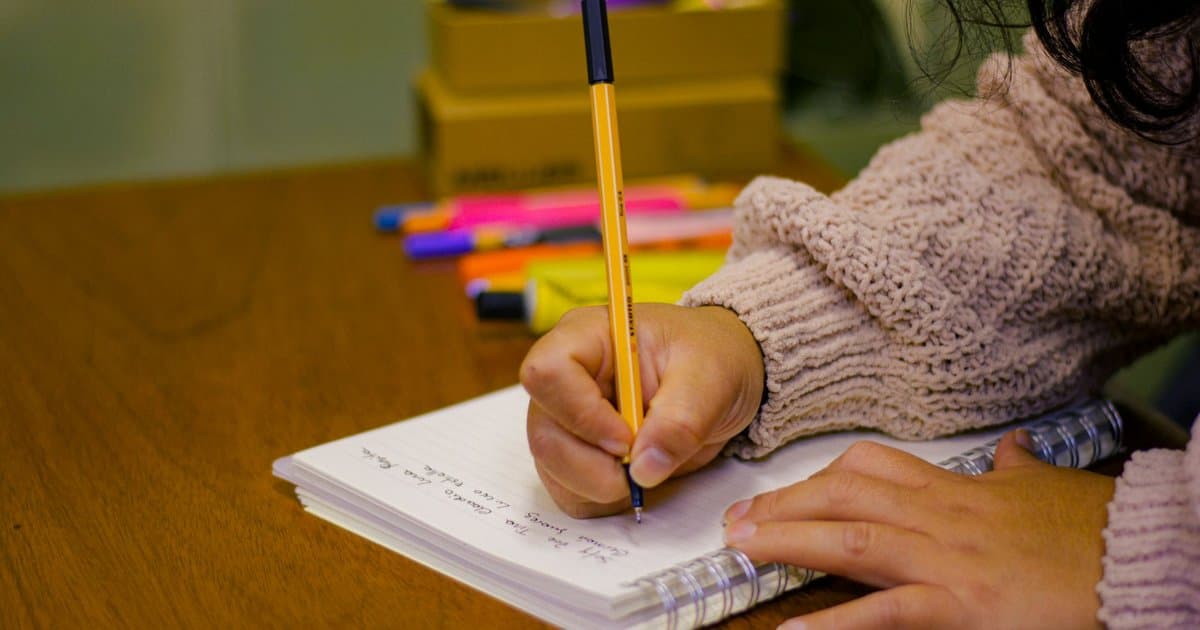
The first habit is active recall, and it is the single most powerful change you can make. Instead of rereading your notes, you close the book and force yourself to write down everything you remember from memory. This act of retrieval is uncomfortable because it exposes the gaps, and that discomfort is exactly the point. Every time you struggle to pull a fact out of your mind, you strengthen the path back to it, which is why flashcards and practice questions beat passive reading by a wide margin. The struggle itself is the learning, not a sign that something has gone wrong. If a study session feels easy and pleasant, you are probably not doing the work that creates lasting memory.
The second habit is spaced repetition, which means spreading your review across days rather than cramming it into one long sitting. Your brain treats information it sees once as disposable, but information it has to recover again and again over time as important enough to keep. Reviewing a topic today, then in two days, then in a week, signals to your memory that this knowledge keeps coming up and deserves a permanent home. Cramming the night before can get you through a quiz, but the material drains out within days because you never gave it time to settle. A short review spread across a week will outlast a marathon session every time. The calendar, not the clock, is your most useful study tool.
The third habit is interleaving, which means mixing different topics or problem types in a single session instead of drilling one kind over and over. Blocked practice, where you do twenty of the same problem in a row, feels productive because you get into a rhythm. The problem is that the rhythm does the thinking for you, so you never learn to recognize which approach a new problem actually calls for. When you shuffle problem types together, you force your brain to choose the right method each time, and that choosing is a skill the real test will demand. It feels messier and slower, and your accuracy during practice may dip. That dip is the cost of building a sharper, more flexible memory.
It is worth pausing on why these methods feel so unpleasant, because the discomfort is the reason most people abandon them. Our brains are wired to prefer the path of least resistance, and rereading offers a steady stream of small, comforting hits of recognition. Active recall and interleaving offer the opposite, a constant reminder of what you do not yet know. That feeling of difficulty registers as failure, even though it is actually the signal that real learning is taking place. Researchers call this desirable difficulty, the idea that a little struggle now buys much stronger memory later. Once you understand that the discomfort is the work and not a warning, you can push through it instead of fleeing to the easy methods that feel better and teach less.
The fourth habit is self explanation, which is the simple act of asking why and how as you study rather than just collecting facts. When you can explain an idea in plain language, as if teaching it to someone who has never heard it, you find out fast whether you truly understand it. The fifth habit supports all the others, and it is sleep, which is not laziness but the stage where the brain files away what you studied during the day. Pulling an all nighter robs you of the very process that converts effort into memory, so you arrive at the exam tired and holding less than you would have with rest. Taken together, these five habits ask you to trade the comfortable feeling of progress for the slower, harder work that actually produces it. The students who learn this early stop confusing busywork with learning. They study less and remember more, which is the entire goal. None of these habits require special talent or expensive tools, only the willingness to trade the comfortable illusion of progress for the slower work that actually delivers it. Anyone can start tonight by closing the book and testing what they truly remember.