Every homeowner eventually hears the same promise. Put money into the house and you will get it back when you sell. Some of that is true, but a lot of it is a story we tell ourselves to justify a purchase we wanted anyway. The hard part is that the upgrades that feel the most satisfying are often the ones that return the least. Buyers do not pay for your taste, and they almost never pay back the full cost of work that pleased you more than it pleases them. If resale is part of your thinking, a few projects deserve a second look before you sign the contract.
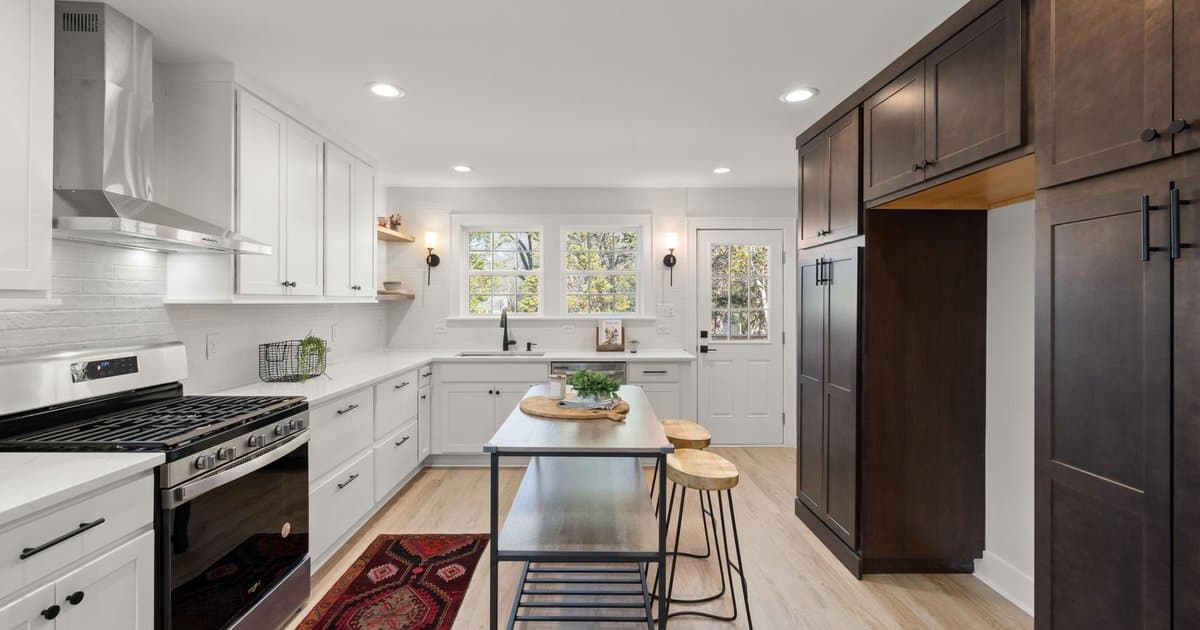
The first is the high end kitchen in a mid range neighborhood. A kitchen that costs as much as a small car can feel like a safe bet because everyone says kitchens sell houses. The trouble is the ceiling set by the street around you. A buyer shopping in a three hundred thousand dollar zip code will not pay an extra sixty thousand for stone counters and professional appliances, because the comparable sales nearby cap what an appraiser will support. You can absolutely enjoy a beautiful kitchen, but build it for yourself, not for a return that the neighborhood will never deliver.
The second is the swimming pool, which is closer to a liability than an asset in most markets. A pool adds cost the day it goes in and keeps charging you every year after through maintenance, insurance, and higher utility bills. When you sell, a large share of buyers see a pool as a chore or a danger rather than a feature, especially families with small children. In colder climates the math is worse, since the thing sits unused for half the year while still demanding money. Unless your area treats a pool as standard, you will rarely recover what you spent digging the hole.
The third is the sunroom or three season addition that does not match the rest of the house. These rooms feel like found space when you build them, but they often read as awkward to a buyer walking through. If the addition was not built to the same standard as the main structure, an inspector will flag the differences and a buyer will discount the whole thing. Appraisers also struggle to count square footage that is not heated and cooled like the rest of the home. The room you loved on quiet mornings can end up subtracting from the offer rather than adding to it.
The fourth is heavy landscaping and elaborate outdoor design. A water feature, a custom fire pit, and a yard full of mature plantings can cost tens of thousands and bring back almost none of it. Buyers see ongoing upkeep where you saw beauty, and many of them quietly plan to tear it out. Clean, simple, well kept landscaping helps a sale because it signals care, but the ambitious version rarely moves the price. Spend on the basics that make the front look maintained, and stop well short of the design magazine version.
The fifth is the deeply personal renovation that suits exactly one life, yours. Converting a bedroom into a walk in closet, building a home theater with fixed seating, or turning the garage into a gym all fall into this trap. Every one of those choices removes a feature that buyers count and replaces it with something most of them do not want. Bedroom count and garage space carry real weight in how a home is valued, and trading them away shrinks your buyer pool. If you make the change, understand you are spending for your own enjoyment and may have to undo it before listing.
It also helps to think about how long you actually plan to stay. A renovation that never pays back at resale can still be worth every dollar if you are going to live with it for fifteen years. The math only turns against you when you spend like an investor while living like an owner, or sell within a few years of a major project. Time changes the calculation completely, because enjoyment compounds the longer you stay while resale value does not. Be honest about your horizon before you swing a hammer. A short stay rewards restraint, and a long one rewards building the home you actually want.
None of this means you should never touch the house or live in a museum waiting for a future sale. It means you should be honest about which projects are gifts to yourself and which are investments. The work that tends to pay back is unglamorous, things like a sound roof, an updated electrical panel, fresh paint, and clean functional bathrooms. The work that drains money is usually the work that photographs well and serves a narrow taste. Decide upfront whether you are spending to enjoy your home or to sell it, because the projects that do one rarely do the other.