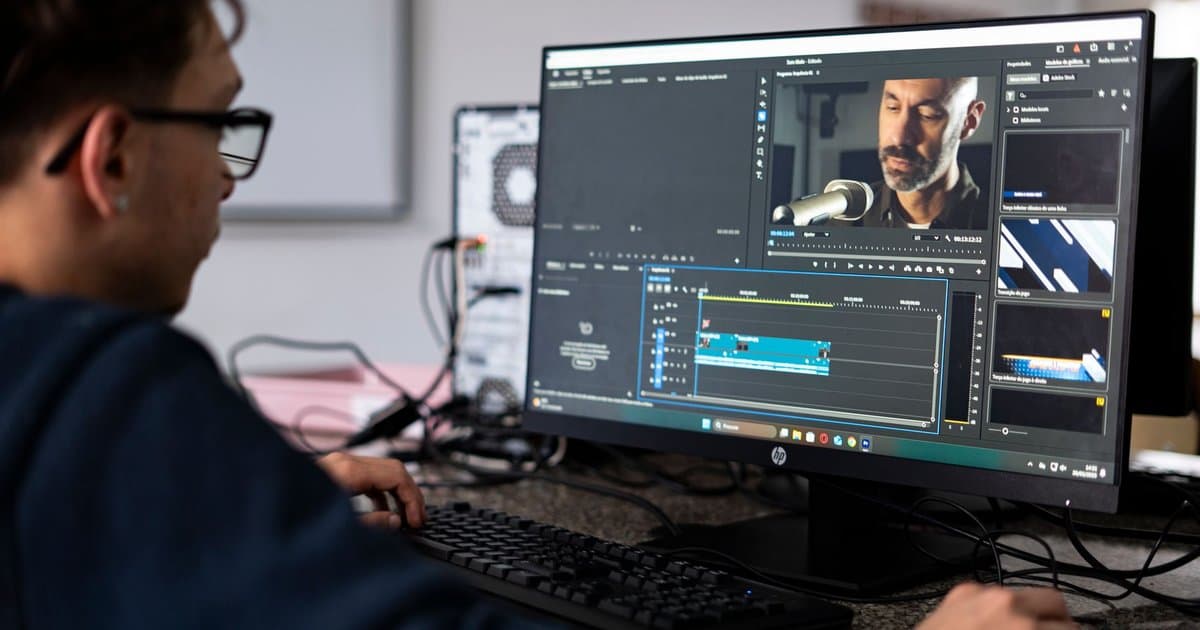
Editing is where most creators quietly lose their week. The footage is fine, the ideas are good, but the timeline becomes a swamp and a thirty minute video eats two full days. The problem is almost never raw skill, because the same person can cut a clean piece when the pressure is on. The problem is workflow, the set of small decisions you make before and during the edit that either protect your time or drain it. None of the fixes below require new software or a faster computer. They require treating editing as a process with steps instead of a single long sprint you push through on feel.
The first habit is to organize footage before you touch the timeline. When you import a shoot, take ten minutes to label clips, flag the keepers, and group b-roll by scene or topic. It feels like a delay when you are eager to start cutting, but it pays back many times over once you are deep in the edit and hunting for a shot. A messy bin forces you to scrub through everything again every time you need a clip, and that scrubbing is invisible time that adds up fast. Editors who skip this step often spend more total minutes searching than cutting. Spend the ten minutes up front and the rest of the edit moves at a different speed.
The second habit is to build a repeatable timeline template. Your intro, your lower thirds, your standard transitions, your end screen, and your audio levels should not be rebuilt from scratch on every project. Save a project file with those pieces already in place and start each new edit from that copy. This removes dozens of tiny setup decisions that you should never have to make twice. It also keeps your work consistent, which matters more for an audience than any single clever cut. A template is boring, and boring is exactly what frees your attention for the part that actually needs creativity.
The third habit is to do a rough assembly before any polish. Lay down the full story first using only your selects, with no color, no music, and no fine trimming. The goal is to see the shape of the piece and confirm it works before you invest time making any single moment beautiful. Creators who polish as they go often spend an hour perfecting a segment they later cut entirely. A rough cut tells you what to keep and what to drop while every change is still cheap. Once the skeleton is right, the detailed work has a clear target instead of a moving one.
The fourth habit is to stop chasing perfect color and audio on the first pass. Set a single corrective adjustment for exposure and white balance, set your dialogue to a consistent level, and move on. The final grade and the careful audio mix belong at the end, after the cut is locked, when you know exactly which shots survived. Fiddling with these on every clip during the edit is how an afternoon disappears. Batch the technical work into one focused session instead of scattering it across the whole project. Your eyes and ears also judge better when you treat color and sound as their own pass rather than constant interruptions.
The fifth habit is to cut to a deadline instead of to perfection. Give each project a fixed editing budget in hours and protect it like a real appointment. A piece that is ninety percent polished and published beats a piece that is flawless and three days late, because the audience never sees the version in your head. Deadlines also force the hard decision that improves most edits, which is cutting good material that does not serve the whole. When the clock is real, you stop debating tiny choices that no viewer will notice. Ship on time, learn from how it performed, and carry that into the next one. That rhythm, more than any single trick, is what turns editing from a bottleneck into a routine.