A job offer arrives wrapped in excitement, and that excitement is doing a job of its own. The recruiter is warm, the title sounds bigger than your last one, and the number on the page is higher than what you make now. In that moment it feels rude to pick the thing apart, so people sign and then spend the next year discovering what the offer actually was. The truth is that the strength of an offer rarely lives in the headline number. It lives in the details people skim past because they are too happy to read closely. Here are four signs that an offer is weaker than it looks, and what each one is quietly telling you.
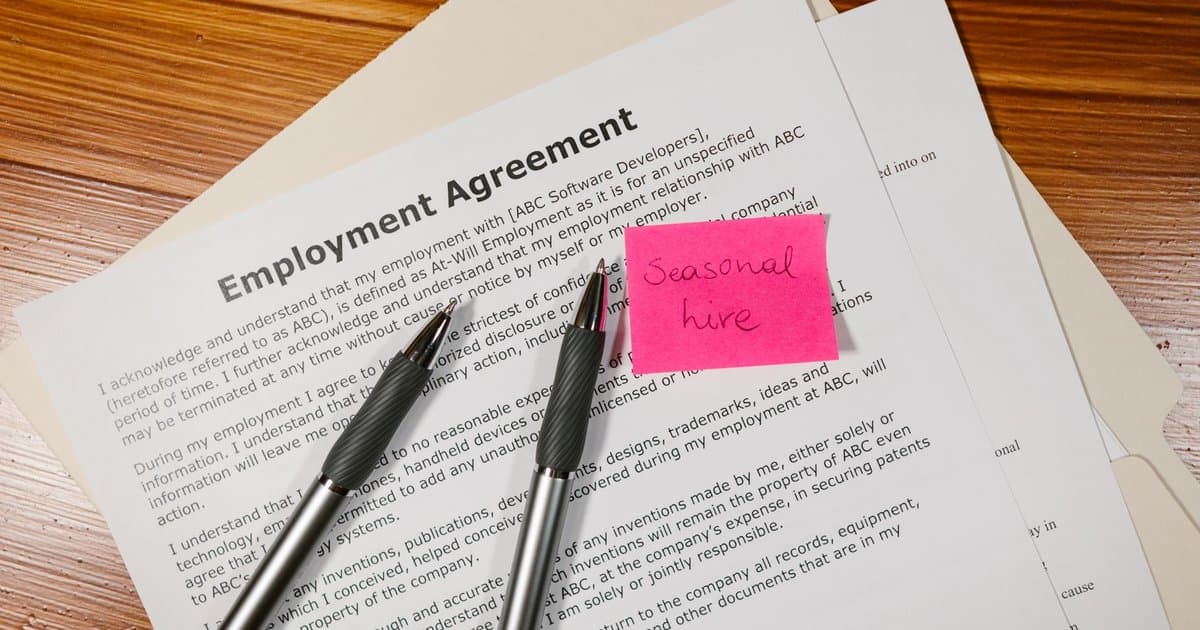
The first sign is a number that lives only in conversation. If the salary, the start date, the bonus structure, and the title were all spoken out loud but never written into a formal letter, you do not have an offer. You have a memory of one. Verbal promises feel binding in the room and evaporate the moment a manager changes or a budget tightens. A strong offer puts every meaningful term in writing, including base pay, any bonus and how it is calculated, the title, and the reporting line. If a company hesitates to write down what it told you, that hesitation is the message. Ask for it in writing before you resign from anything, because the written version is the only version that protects you.
The second sign is equity that sounds generous but cannot be evaluated. Startups and growing companies love to talk about stock or options, and that can be real value. But a number of shares means nothing without context. You need to know the total shares outstanding, the strike price if they are options, the current valuation, the vesting schedule, and what happens to your equity if you leave or if the company is acquired. When a company offers equity but treats those questions as impolite, the equity is being used as a feeling rather than a payment. Real ownership comes with real answers. If they cannot or will not give you the math, treat the equity as worth zero and decide whether the cash alone makes the offer worth taking.
The third sign is the perk that replaces a policy. Unlimited paid time off is the classic example. It sounds like freedom, and in healthy cultures it can be. But unlimited often means undefined, and undefined often means people take less, because there is no bank of days to protect and no clear norm for what is acceptable. The same trap shows up with vague promises of flexibility, growth, or work life balance that never attach to a specific commitment. A defined benefit you can count is almost always stronger than an open ended one you have to negotiate every single time you want to use it. Ask how many days people actually take. The gap between the policy and the practice tells you who you would be working for.
The fourth sign is a reporting structure nobody will explain cleanly. When you ask who you report to and the answer wanders, that is a warning. It can mean the role was created in a hurry, that two leaders both think they own it, or that the position sits in a gap where no one is truly accountable for your success. You want to know your manager by name, how often you will meet, how your performance will be judged, and who decides your raises and promotions. A company that has thought seriously about the role will answer those questions without flinching. One that gives you fog is showing you the conditions you will actually work in, where credit is unclear and support is thin.
None of these signs means you should walk away on its own. Plenty of good offers have one rough edge that a direct conversation can smooth out. The point is to read the offer like a document, not a compliment. Ask for the terms in writing, ask the equity questions out loud, look past the perks to the real policy underneath, and get the reporting line in plain language. The companies worth joining respect those questions, because they have nothing to hide and they would rather you arrive with clear eyes. The ones that get defensive are telling you exactly what your first year would feel like. A few pointed questions early can save you months of regret later, and the recruiter who truly wants you on the team will not punish you for asking them. Take the time. An offer you understand fully is worth far more than one that simply felt good in the room. Slow down long enough to hear what the details are saying.