The shift in men's fashion that has unfolded over the past three years is now visible in the data, not just on the runway. Streetwear, the dominant aesthetic from approximately 2014 through 2022, has been displaced by what the industry calls quiet luxury. The brands that defined the streetwear era (Off-White, Fear of God, Palm Angels, BAPE) have seen revenue declines of 18 to 34 percent between 2023 and 2025. The brands that define quiet luxury (Brunello Cucinelli, Loro Piana, The Row, Aimé Leon Dore in its more refined incarnation) have seen revenue growth of 22 to 41 percent over the same period. The shift is structural rather than seasonal, and the reasons explain why this is not a fad that will revert.
The first driver is economic. Streetwear's pricing model relied on hype-driven scarcity, with limited drops at 600 to 1,800 dollar price points sustained by resale market valuations. When the resale market for hyped sneakers and streetwear softened starting in late 2022 (StockX trade volume declined 32 percent year-over-year in 2023), the economic foundation of the streetwear pricing model weakened. Buyers became less willing to pay primary market prices for items they could no longer reliably flip at a profit. Quiet luxury, priced at 800 to 4,000 dollars for items intended to last 5 to 10 years rather than be flipped, offered a more defensible economic story for buyers spending real money on clothes.
The second driver is demographic. The men who drove streetwear demand in 2017 are now in their mid-to-late 30s with different style needs. Streetwear works for 25-year-olds posting on Instagram. It does not work as well for 38-year-olds attending business meetings, networking at industry events, and dressing for the kinds of social contexts that come with established careers. Quiet luxury solves the age-appropriate problem without requiring buyers to revert to traditional business attire. The cashmere sweater, the well-cut overcoat, the unbranded leather sneaker all signal taste and means without signaling age in the way a traditional suit would.
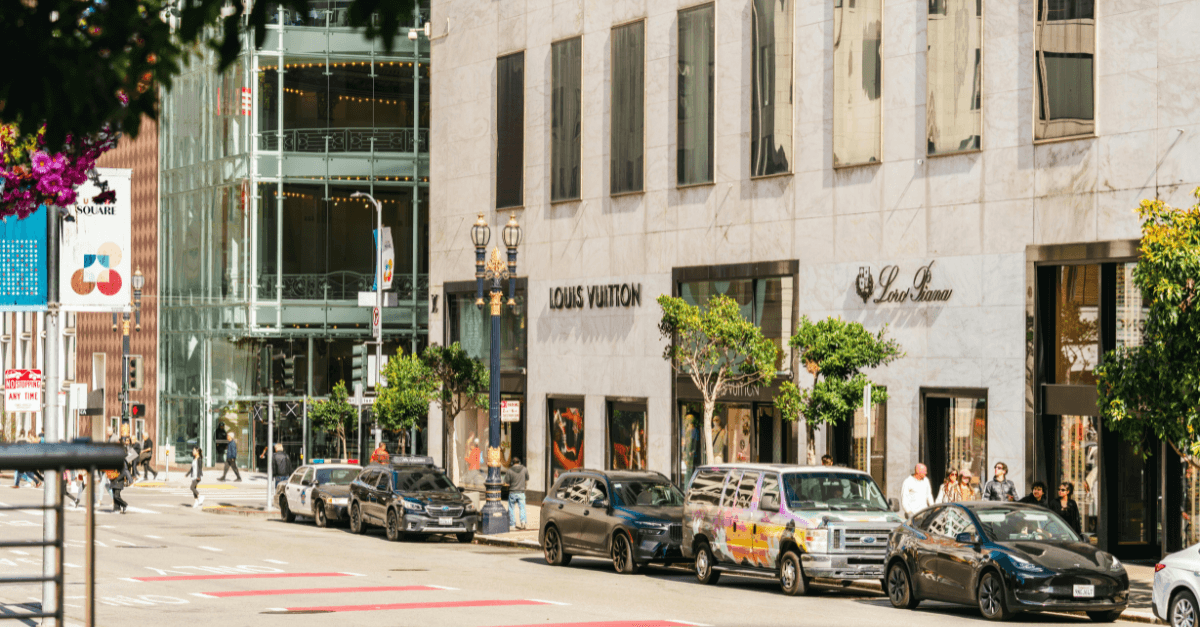
The third driver is cultural backlash against logo-driven status. The 2010s were peak conspicuous branding, where the visible logo was the entire point. Streetwear, supreme box logos, double-G belts, Yeezy branding all participated in the same trend. The cultural shift starting around 2020 (driven partly by social media fatigue and partly by the broader vibe shift in millennial taste) moved against visible branding. Quiet luxury is the aesthetic execution of that shift: the things you wear should signal taste to people who know, not announce status to people who do not. The Loro Piana baseball cap with no visible logo costs 595 dollars and signals fluency in the aesthetic without shouting at strangers.
The fourth driver is the corporate-creative blur. As remote and hybrid work has become permanent for high-earning knowledge workers, the line between "office clothes" and "weekend clothes" has functionally dissolved. The wardrobes that worked in this new context were neither traditional suiting nor full streetwear. Quiet luxury occupies exactly that middle space: clothes that look intentional and refined enough for a client video call, but comfortable and unstructured enough to wear all day at a kitchen counter standing desk. The market segment is real and large, and streetwear did not occupy it.
The fifth driver is the secondhand market. Quiet luxury items hold value in a fundamentally different way than streetwear did. A Brunello Cucinelli sweater purchased for 1,400 dollars resells at 600 to 900 dollars three years later. A Supreme box logo hoodie purchased for 168 dollars and flipped for 1,200 dollars in 2018 now sells for 400 to 600 dollars in 2025. The asset-like behavior of quiet luxury (depreciating slowly) is more attractive to buyers with money than the volatile flip-economics of streetwear (which moved like meme stocks). The resale data on The RealReal and Vestiaire Collective shows this pattern clearly across hundreds of brands.
The brands that adapted are doing well. Aimé Leon Dore moved from clearly streetwear-coded in 2018 to quiet-luxury-coded by 2024, and the brand's revenue grew significantly through the transition. Stone Island stayed truer to streetwear roots and has seen flat-to-declining growth. The Row, founded by Mary-Kate and Ashley Olsen, was always quiet luxury and has become the reference point for the entire aesthetic. The retailers who got the shift wrong (Mr Porter's heavy investment in streetwear inventory through 2022) had to write down inventory in 2023 and 2024 at margins that significantly affected the parent company.
For consumers, the practical implications are about how to spend. A 2,500 dollar wardrobe budget invested in three high-quality quiet luxury pieces (a coat, a sweater, a pair of leather sneakers) functionally outlasts the same budget invested in 12 streetwear pieces that will be aesthetically dated within 18 months. The cost per wear math heavily favors the quiet luxury direction. Consumers who shift their spending pattern do not need a larger budget. They need a different allocation.
For Nashville specifically, the local retail scene has been slow to catch the shift. Most independent menswear stores in the city still over-index on the 2018 to 2022 streetwear and casual wear that defined the previous cycle. A few exceptions (Imogene + Willie's evolution toward more elevated unstructured pieces, Bluestar Boutique's expansion into Loro Piana and similar) suggest the market is starting to adjust. The buyers who shop online have already moved. The local retail will follow within 18 to 24 months or close.
The takeaway is that the quiet luxury era is not a passing trend. It is the aesthetic of the economic, demographic, and cultural moment, and the underlying drivers are durable. Streetwear will not disappear, but it will continue to retreat into specific subcultures and youth markets where it still makes sense. The mainstream men's fashion conversation has moved on. The buyers who notice are dressing well. The buyers who do not notice are wearing clothes that will look aesthetically dated by 2027. The shift is already most of the way through. The remaining question is how cleanly your own wardrobe maps to where the culture has gone.