The pitch sounds reasonable when a coach makes it to a parent. Pick one sport early, train it year round, join the travel team, and your child gets ahead of the kids who are still splitting their time. The dream of a college scholarship sits at the end of that road, and plenty of families restructure their lives and budgets to chase it. The problem is that the science of youth athletics points in almost the opposite direction. Early specialization rarely produces the elite athlete it promises, and it carries real physical and emotional costs that show up years before any scholarship offer. What is at stake is not just a roster spot, it is the child's body and their love of the game.
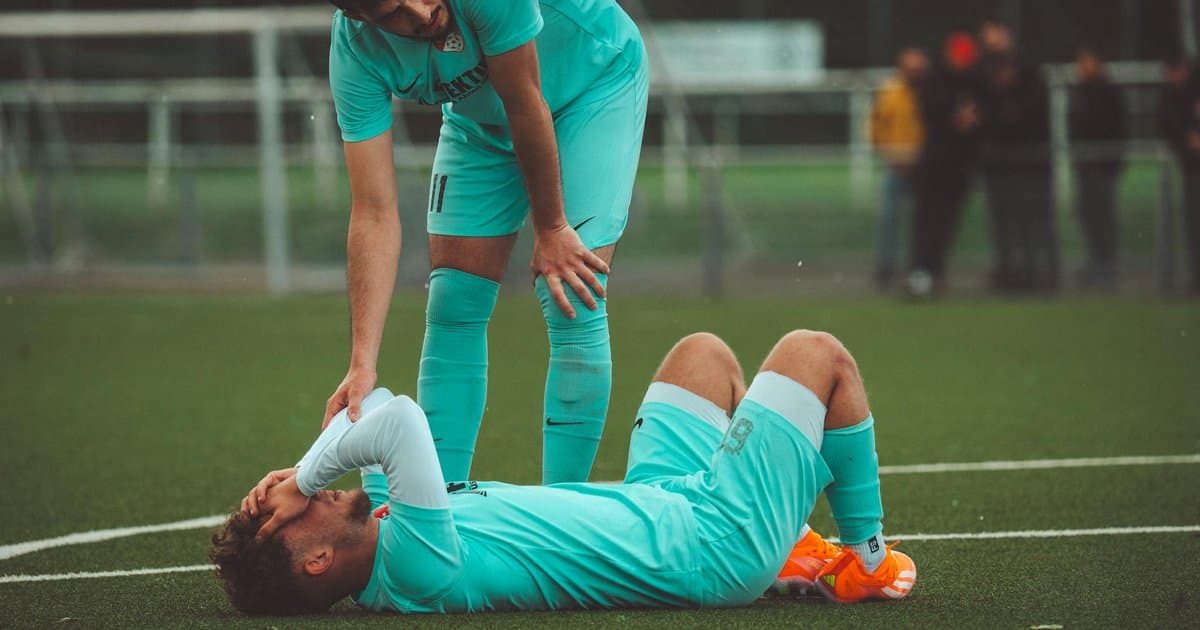
Start with the injuries, because they are the most measurable risk. A young athlete who plays the same sport all year repeats the same movements through the same joints with no off-season to recover. That repetition is how overuse injuries form, the stress fractures, the elbow and shoulder damage in throwers, the knee problems in soccer and basketball players. Sports medicine groups have warned for years that single-sport athletes show higher rates of these injuries than peers who play multiple sports. The body of a growing child is not a smaller version of an adult body, and it does not tolerate year-round pounding the same way. The injury that ends a season at fourteen can shadow an athlete for the rest of their playing years.
Then there is burnout, which is quieter but just as common. A sport that started as play becomes a job when it fills every season with no break and rising pressure. Kids who specialize early are more likely to quit their sport entirely by their mid-teens, walking away from something they once loved because it stopped being fun. The emotional toll compounds the physical one, since a child carrying both an aching body and a sense of obligation has little joy left to draw on. Parents who poured money and weekends into the dream are often blindsided when their child simply wants out. The thing meant to build a future ends up burning down the present.
The research also undercuts the core promise, the idea that early focus produces better athletes. Studies of elite and professional competitors keep finding the same surprising pattern. Many of the best athletes were multi-sport kids who did not specialize until their later teens, after their bodies had matured. Playing several sports builds a wider base of coordination, balance, and athletic skill that transfers across activities and actually makes the eventual specialty stronger. The kid who plays soccer in the fall, basketball in the winter, and runs track in the spring is building a more complete athlete than the one grinding a single sport into the ground. Variety is not a distraction from excellence, it is often the path to it.
A reasonable middle ground exists, and it does not require giving up on competitive ambition. Most guidance suggests holding off on year-round specialization until at least the mid-teens, and keeping training hours per week in check relative to the child's age. Real rest matters too, both a few months off from any single sport each year and at least one or two full days off per week. Watching for the warning signs helps, the lingering aches, the dread before practice, the drop in enthusiasm that signals the body or mind has had enough. None of this means a child cannot pursue a sport seriously. It means protecting them while they do.
Coaches and leagues share responsibility here, even when parents mean well. Youth sports have grown into a large business, and travel teams, private trainers, and year-round programs all have a financial reason to push more participation. That does not make every coach wrong, but it does mean the advice you hear is not always neutral. A good program builds in rest, encourages cross-training, and treats a young athlete's long-term health as more important than this weekend's result. If a coach treats time off as weakness or pressures a child to play through real pain, that is a warning worth heeding. The adults around a young athlete set the tone, and the best ones measure success in years of healthy play rather than trophies won before high school.
The hard part for parents is resisting a culture that rewards early intensity and treats balance as falling behind. The travel-team economy and the scholarship dream create real pressure, and saying no to it can feel like holding your child back. But the long view favors patience, since the athletes who last are usually the ones who stayed healthy and stayed in love with the game. A scholarship is a long shot for any individual child no matter how they train, while a healthy body and a lasting joy in movement are within reach for almost all of them. What is at stake is which of those two you protect. Choose the one your child gets to keep.