Most youth sports burnout traces back to one decision that parents make with the best of intentions. They pick a single sport early and pour everything into it, year round, often before the child turns twelve. The logic feels airtight at first glance. More reps in one sport should mean faster progress and a better shot at a scholarship somewhere down the line. The trouble is that early specialization tends to do the opposite for most kids. It raises injury risk, drains motivation, and rarely produces the elite outcome families are chasing. The mistake is not caring too much, it is narrowing too soon.
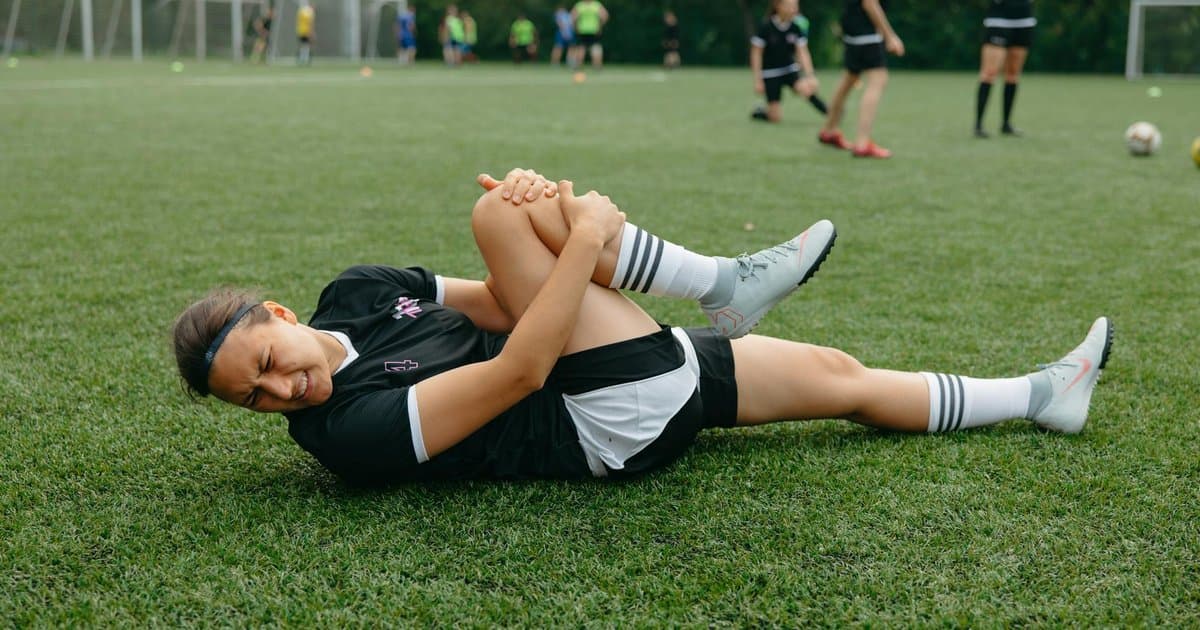
The research on this points the same direction across almost every sport. Young athletes who specialize before puberty get hurt more often, and the injuries cluster in the same overused joints and tendons. Pitchers who throw competitively all year wear down their elbows and shoulders. Gymnasts, dancers, and distance runners who never take a real off-season keep stressing the same growth plates while those plates are still forming. Sports medicine groups have spent more than a decade warning that single-sport kids show higher rates of overuse problems than peers who rotate through several activities. The repeated, identical motion is the core issue, because a growing body needs varied movement to develop in balance.
There is also the plain question of how long a child stays in the game at all. Kids who specialize early quit at higher rates, and many walk away before they finish high school. The fun tends to evaporate once a sport starts to feel like a job at age ten. Practices turn into obligations, weekends vanish into travel tournaments, and one rough game can start to feel like a verdict on the child's worth. Burnout is not weakness or laziness. It is what happens when pressure outruns enjoyment for too long, and a young athlete quietly decides the cost is no longer worth paying.
The scholarship math does not reward early specialization the way most families assume either. A large share of college and professional athletes played multiple sports well into their teens. Coaches at the top levels often prefer multi-sport athletes because they move better, read plays faster, and show up less worn down by repetitive strain. A child who plays soccer in the fall and basketball in the winter builds a broader base of coordination, balance, and quick decision making. Those abilities carry from one sport to the next. The narrow specialist may look advanced at eleven and then plateau, while the all-around athlete keeps adding new tools and climbing.
None of this means a child should try less or that ambition is the enemy. The fix is to spread real effort across more than one sport until at least the early teen years, then specialize later if the child chooses to. Let a kid sample several activities and lean toward whatever they actually enjoy, since enjoyment is what keeps them showing up. Build genuine rest into the calendar, including at least one full day off each week and longer breaks between seasons so the body can recover. Watch for the warning signs, like dread before practice, recurring pain in one spot, or a sudden drop in effort that was not there before. Those signals usually arrive long before a serious injury or a quiet decision to stop.
There is also a financial and family cost that often gets ignored in the rush to specialize. Travel teams, private coaching, and year round league fees add up fast, and families pour real money into a single sport on the hope of a payoff that seldom comes. That spending quietly raises the emotional stakes for everyone, because now the child feels pressure to justify the investment. Siblings get dragged from tournament to tournament, weekends disappear, and the whole household starts to revolve around one kid's schedule. None of that makes the athlete better, and it can strain the very relationships that help a child stay grounded. A more balanced approach keeps the budget sane and protects family time, which matters far more over a childhood than any single season. The healthiest sports families treat youth play as one part of a full life, not the center of it.
The honest goal for a twelve year old is not a trophy or a highlight reel. It is a teenager who still wants to play at sixteen, inside a body that can handle the load when training really does ramp up. Specialization has its place, but its place is later, once growth has settled and the athlete is choosing the path on their own terms. Parents who hold off are not falling behind anyone. They are protecting the two things that actually predict long term success in sports, which are durability and desire. Keep both intact, and the rest has room to follow. Rush them, and you risk losing the athlete before they ever reach the years that count.