The conversation around raising kids in 2026 is dominated by screens, algorithms, and anxiety about what technology is doing to developing brains. Those are legitimate concerns and the research on adolescent social media use continues to produce findings that warrant serious parental attention. But if you spend too much time focused on what to protect your kids from, you can miss the more important question, which is what to build into them. The children who are weathering the pressures of growing up in this environment with the most stability are not necessarily the ones whose parents were most successful at limiting exposure to difficult things. They are the children who have strong attachment relationships, clear expectations, and a sense that their life belongs to something meaningful. That pattern shows up consistently in developmental psychology research, and it is practical enough to act on.
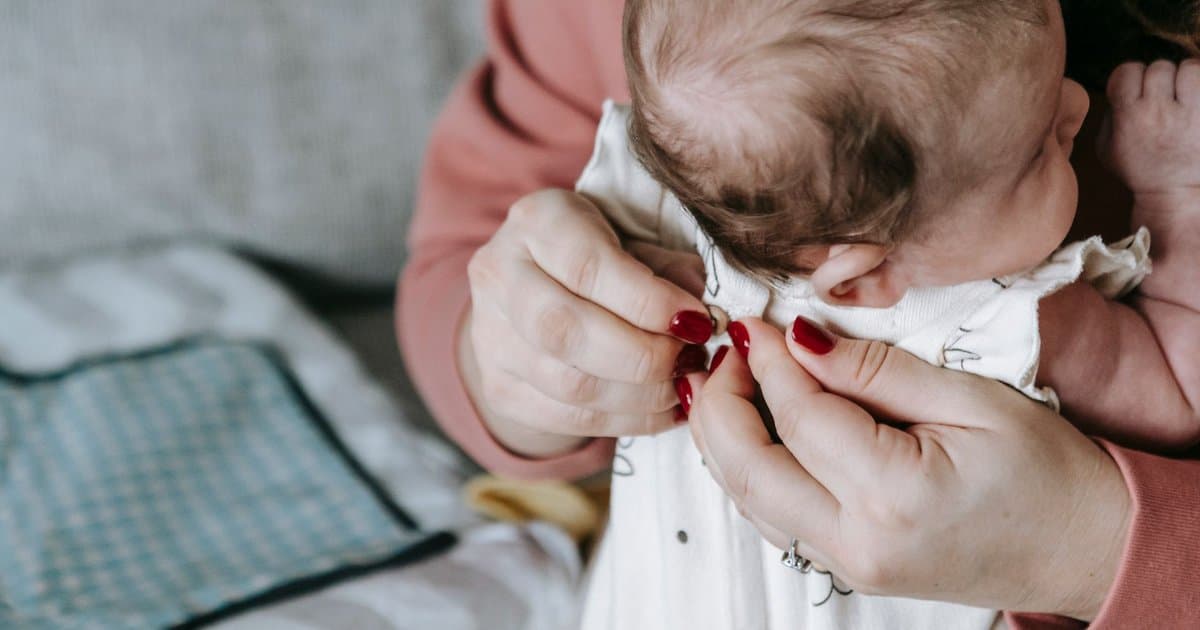
Resilience in children is not a fixed trait. It is not something a child either has or does not have. It is a set of capacities that develop through specific relational and environmental conditions over time. The most replicated finding in resilience research is that a stable, caring relationship with at least one adult, whether a parent, grandparent, teacher, coach, or mentor, is the single most protective factor in a child's development. It is more protective than income level, neighborhood safety, or parental educational attainment. What a consistent relationship with a trusted adult does is build the internal working model that tells a child: the world is navigable, help is available, and you are capable of getting through hard things. Children who have that model internalized are genuinely different in how they respond to stress, setbacks, and uncertainty.
Structure is the second major factor, and it is one that contemporary parenting culture has complicated. There was a period where the research-backed message was about giving children more autonomy, less rigidity, and more space to develop intrinsic motivation. That research is real and its conclusions still hold in certain contexts. But the structural correction that recent developmental work is making is that autonomy without predictable structure is not actually beneficial for most children. Kids need to know what is expected of them. They need routines that give shape to their days. They need consequences that are consistent and proportionate. None of that is about control. It is about the regulatory scaffolding that children need while their own executive function and emotional regulation systems are still developing. The prefrontal cortex does not fully mature until the mid-to-late twenties. Before it does, external structure does some of the work that it will eventually be able to do internally.
Faith communities have functioned as resilience infrastructure for children across cultures for generations, and the developmental data on why is more specific than most secular parenting literature acknowledges. Children who grow up embedded in faith communities benefit from multiple things simultaneously: a stable network of adults outside the immediate family who know them by name, a shared set of values that reduces decision-making friction during adolescence, a practice of sitting with difficulty and finding meaning in it rather than avoiding it, and a community that provides practical support during family crises. The research from Pew, Gallup, and the Harvard T.H. Chan School of Public Health on adolescent religious participation consistently shows correlations with lower rates of substance use, depression, and risky behavior, as well as higher rates of civic engagement and reported life satisfaction. These correlations are robust across different religious traditions and demographic groups.
Digital limits remain a real and necessary part of the parenting conversation, but the framing matters. The question that produces better outcomes is not "how do I keep my child away from screens?" but "what am I building in the hours when the screens are away?" Children who have compelling offline relationships, physical activities they care about, creative projects, and meaningful family rituals do not experience screen limits as deprivation the way children with empty, unstructured offline hours do. The limits work when the alternatives are better, not just enforced. That means parents have to invest in the quality of offline life, not just in the monitoring and restriction of online life. Those are different projects, and the second one without the first one does not produce the resilience it appears to be targeting.
The honest reality of parenting in 2026 is that there is no set of tactics that will protect your children from all of the pressures they are going to face. That is not a failure of parenting. It is a feature of growing up. What you can give them is a secure base: the understanding that they are known, valued, and expected to grow. Strong parenting in this environment looks like showing up consistently, having the same conversations multiple times without frustration, maintaining your own mental and emotional health so that you have the capacity to be present, and trusting that the small daily investments compound over years into children who know who they are and what they are capable of.
The parents who are raising resilient kids in 2026 are not doing something extraordinary. They are doing ordinary things consistently over a long period of time with real intention behind the effort. The research validates what most healthy family cultures already understood: relationships, structure, meaning, and presence are what build children who can handle what comes at them. That has not changed. It just needs to be heard again above the noise.