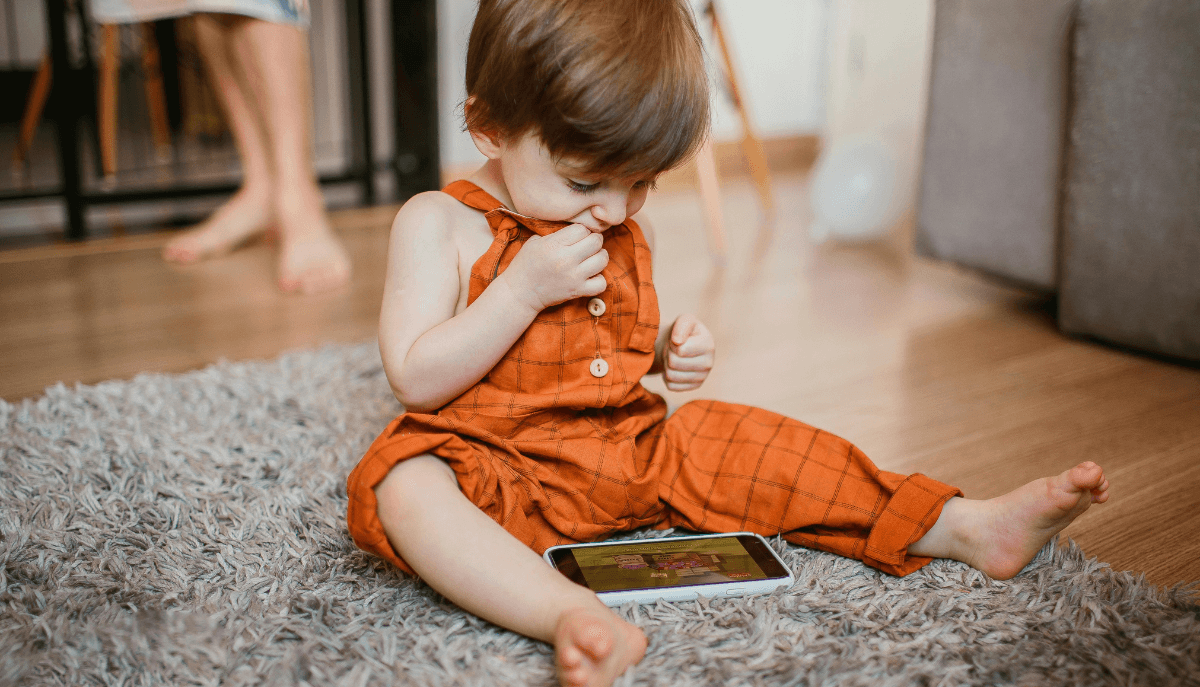
A new study published April 23 by researchers at UC Irvine found that parents who regularly use digital devices to calm or distract very young children are inadvertently setting up long-term problems. The study, published in the journal JAMA Pediatrics, tracked children from infancy through early childhood and found that device use as a soothing strategy was consistently linked to higher rates of behavior problems as children got older, including difficulty managing frustration, increased emotional outbursts, and challenges following directions. For mothers specifically, the pattern was also associated with higher levels of parenting stress, creating a cycle that made the habit harder to break.
The finding is not entirely surprising to developmental researchers who have been tracking this trend for several years, but the scale and longitudinal nature of this study gives it real weight. Previous research had suggested a correlation between screen time and emotional regulation challenges, but this study went further by specifically examining devices used as a calming tool rather than screen time in general. The distinction matters. A child watching educational content with a parent present is a different situation than a child being handed a phone in a moment of distress to make them stop crying. The research suggests it is specifically that second pattern, the responsive device use, that creates the most risk.
The developmental logic behind the finding is not complicated once you understand how children learn to manage their emotions. Self-regulation is a skill, and like any skill, it develops through practice. When a child experiences frustration, sadness, or boredom and then works through that experience, even imperfectly, even with significant adult support, they are building neurological pathways that will help them manage similar experiences later. When a device immediately interrupts that experience, the child does not get to complete the regulatory cycle. Over time, the brain learns to expect interruption rather than to develop its own capacity to work through discomfort. The device does not teach the child to feel better. It teaches the child to need the device to feel better.
For parents, the implications are uncomfortable in the most practical way possible. Handing a toddler a phone in a grocery store meltdown works in the immediate term. The crying stops. The situation de-escalates. The transaction you need to finish gets finished. Nobody in the aisle looks at you with that particular combination of sympathy and judgment anymore. The short-term utility of the strategy is real and should not be minimized. What the research is saying is that the accumulation of that strategy over time, across hundreds of moments of early childhood, is reshaping how the child's nervous system learns to cope. The grocery store fix costs something that is not visible in the moment.
The alternatives the research points to are not complicated but they do require more presence and patience. Responsive parenting strategies, things like naming the emotion the child is experiencing, staying physically close, offering comfort through touch and voice rather than a screen, and allowing the emotional experience to move through naturally, consistently outperform device-based soothing in long-term outcomes. These approaches are harder in the moment, especially for parents who are tired and overstretched, which is most parents on most days. But the neurodevelopmental payoff compounds in the same way the device habit does, just in the opposite direction.
The parenting stress connection in the study is worth holding for a moment. Mothers who used devices as a primary soothing strategy reported higher parenting stress over time, not lower. This runs counter to the intuitive expectation that having a tool that reliably calms your child would make parenting feel more manageable. What the data suggests is that reliance on the device actually increases stress over time, possibly because parents who use it frequently begin to feel less capable and less confident in their own ability to regulate their child's emotions without technological assistance. The device solves the immediate problem and gradually erodes the parent's sense of competence in the process.
None of this is a moral verdict on any individual parent. Parenting in 2026 is genuinely hard in ways that previous generations did not face, and the availability of a tool that produces immediate calm is going to be used. The question is whether parents can be intentional about when and how they use it and whether they can build alternative strategies that they feel confident in. The research gives a clear reason to take that question seriously.