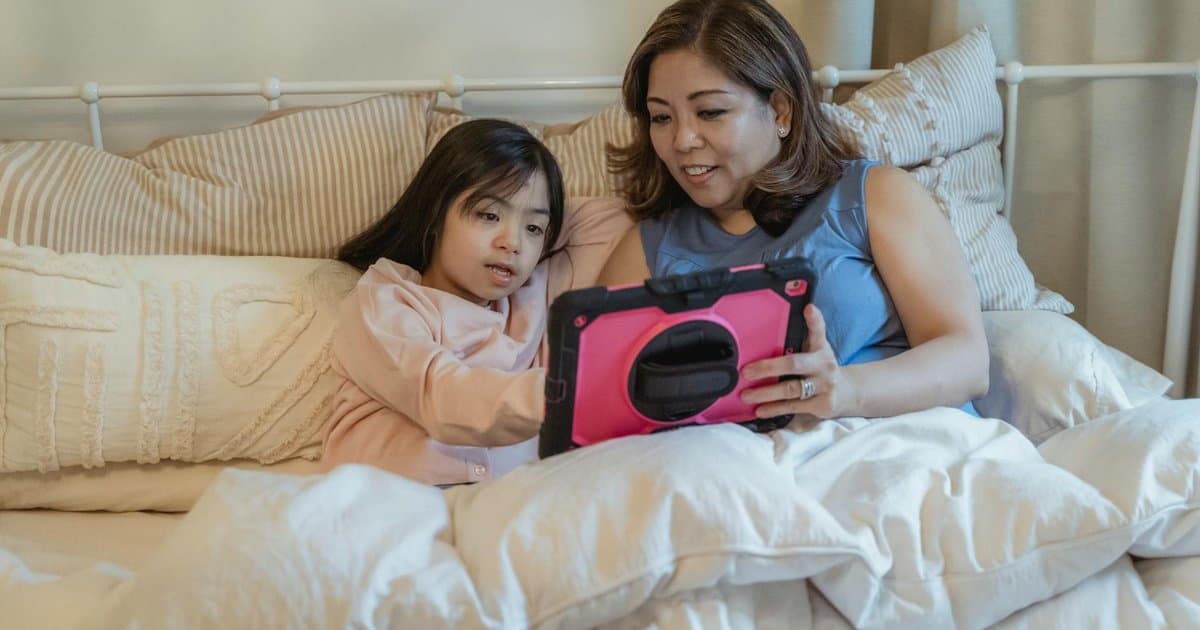
Parents tend to picture screen time as a single dial, where less is always better and more is always worse. Pediatricians see it differently, and the gap between those two views causes a lot of needless guilt. The hours matter, but what is on the screen and when it happens often matter more. A child watching a slow, conversational show with a parent nearby is having a very different experience than a child alone with a fast, endless feed. Doctors are far less worried about a family movie night than about a phone that follows a kid into bed. Understanding that difference takes the pressure off the clock and puts it where it belongs.
The first thing most pediatricians want parents to know is who is affected most, and that is the youngest children. For babies and toddlers under about eighteen months, screens beyond video calls with family offer little and can crowd out the back and forth talk that builds language. Young brains learn from faces, voices, and real interaction in a way that a screen cannot replace at that age. This does not mean a stressed parent who turns on a show to cook dinner is harming their child. It means the early years are when the trade off is steepest, because every hour on a screen is an hour not spent on the play and conversation that fuel development. The concern is what the screen replaces, more than the screen itself.
The second point doctors raise constantly is the link between screens and sleep. The hour before bed is the worst time for a screen, both because the content keeps a child alert and because the light and stimulation push back the body's natural wind down. Kids who scroll or watch in bed take longer to fall asleep and tend to sleep less overall, which shows up the next day as moodiness and trouble focusing. Many problems parents blame on too much screen time are really problems of lost sleep. A simple rule of no screens in the bedroom and a cutoff an hour before lights out solves more than most families expect. Sleep is the foundation, and screens are one of the easiest things stealing it.
The third thing pediatricians wish parents understood is that not all screen use is equal, so the type deserves real attention. Content a child watches together with a parent, who asks questions and connects it to real life, can actually support learning. A video chat with a grandparent is closer to a relationship than a screen habit. On the other end sit the apps designed to be hard to stop, with autoplay and endless scroll that pull a child along with no natural stopping point. Two children with the same number of screen hours can have completely different experiences depending on what those hours hold. Steering kids toward content with a clear beginning and end, and away from bottomless feeds, changes the quality of the time.
That brings up the part many parents would rather skip, which is their own screen use. Children learn what is normal by watching the adults around them, and a parent who is constantly on a phone is teaching a lesson no rule can undo. Doctors notice that the families who handle screens well tend to have adults who model the same boundaries they ask of their kids. Phone free meals, devices put away during conversations, and a parent who looks up when a child speaks all carry more weight than any time limit. This is the hardest advice to follow, because adult habits are deeply set. It is also the most effective, since kids copy what they see far more than what they are told.
The reassuring message underneath all of this is that screens are not the enemy, and perfection is not the goal. Pediatricians want parents to shift from counting minutes to thinking about three things, which are content, timing, and their own example. Keep screens out of the bedroom, protect the hour before sleep, choose what a child watches with care, and put your own phone down when it counts. A family that gets those right does not need to panic over an extra show on a long day. The aim is a healthy relationship with screens that holds up over years, not a daily fight over a number on a timer.