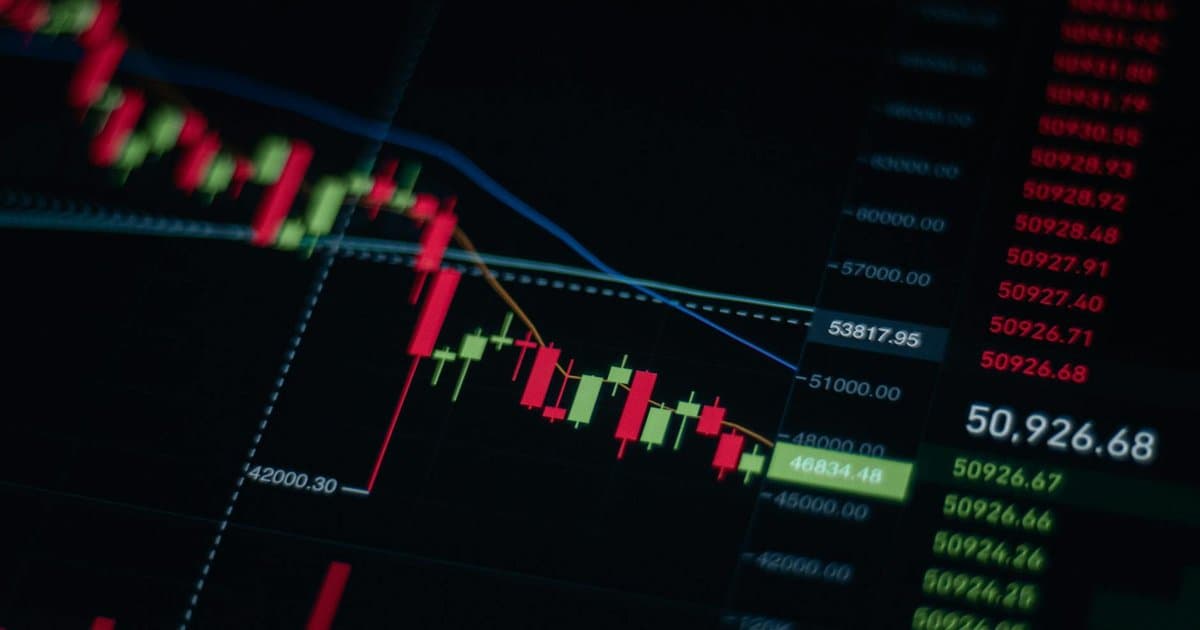
Here is a fact about the stock market that most people never hear, and it changes how you should think about investing. A huge share of the market's long term gains comes from a very small number of trading days. Over the course of years, the average day does not move much in either direction. Then a handful of days deliver enormous jumps, and those rare days do most of the heavy lifting for your returns. If you happen to be out of the market when they hit, you do not just miss a little. You miss the part that mattered most.
The numbers behind this are striking once you see them laid out. By one widely cited analysis from a major bank, an investor who stayed fully invested in a broad U.S. stock index over the past two decades earned roughly double the ending balance of someone who simply missed the ten best days. Miss the twenty or thirty best days across twenty years and the damage gets far worse, with returns falling toward flat or even negative. We are talking about a few dozen days out of thousands. The math is brutal, and it punishes anyone who steps out at the wrong moment.
The reason this trap is so easy to fall into is the timing of those best days. The market's biggest up days do not arrive during calm, happy stretches. They tend to cluster right next to the worst days, in the middle of crashes and panics. By that same analysis, a large share of the market's best days happened within roughly two weeks of its worst days. The huge rebound and the scary drop are often neighbors on the calendar. That means the exact moment you are most tempted to sell and wait for things to settle is often right before the rebound you needed.
This is what makes the popular instinct so costly. When markets are falling and the news is grim, the natural urge is to get out and wait for calm to return before getting back in. It feels responsible and safe. In practice, it usually means you sell near the bottom and then sit on the sidelines while the recovery happens without you. The calm you were waiting for tends to arrive only after the best days have already passed. By the time it feels safe to return, the cheap prices and the big rebound are both gone.
Market timing fails for a reason deeper than bad luck. To do it well, you have to be right twice, both when to get out and when to get back in. Getting one of those right is hard. Getting both right, repeatedly, over decades, is something almost no professional manages reliably. Study after study on real investor behavior finds that the average person earns noticeably less than the funds they hold, mostly because they buy and sell at the wrong times. The gap is not caused by bad investments. It is caused by good investments held badly, with money pulled out in fear and added back in late.
So what should a normal person actually do with this. The most reliable answer is also the least dramatic. Stay invested through the rough patches instead of trying to dodge them, because the cost of missing the rebound usually dwarfs the pain of riding the drop down. Automate your contributions so you keep buying on a schedule no matter how you feel that week. Spread your money across a diversified mix rather than betting on any single stock or sector. And match the risk you take to the timeline you have, keeping money you will need soon out of the market entirely.
The hardest part of all of this is not the strategy. It is sitting still when everything in you wants to act. Doing nothing during a crash feels irresponsible, even though it is often the smartest move available. Setting up automatic investing and then leaving it alone removes a lot of those emotional decisions before they can hurt you. A plan you can actually stick to in a panic is worth more than a clever one you abandon at the first scary headline. Write down your strategy while markets are calm so you have something to lean on when they are not. The investors who win over the long run are rarely the cleverest. They are usually the ones who stayed in their seat when others ran for the door.
A quick and important note. None of this is personal financial advice, and I am not a financial advisor. Your situation, timeline, and risk tolerance are yours alone, and a real plan should account for all of them. The broad lesson still holds for almost everyone. Time in the market has historically beaten timing the market, because the days that matter most refuse to announce themselves in advance.